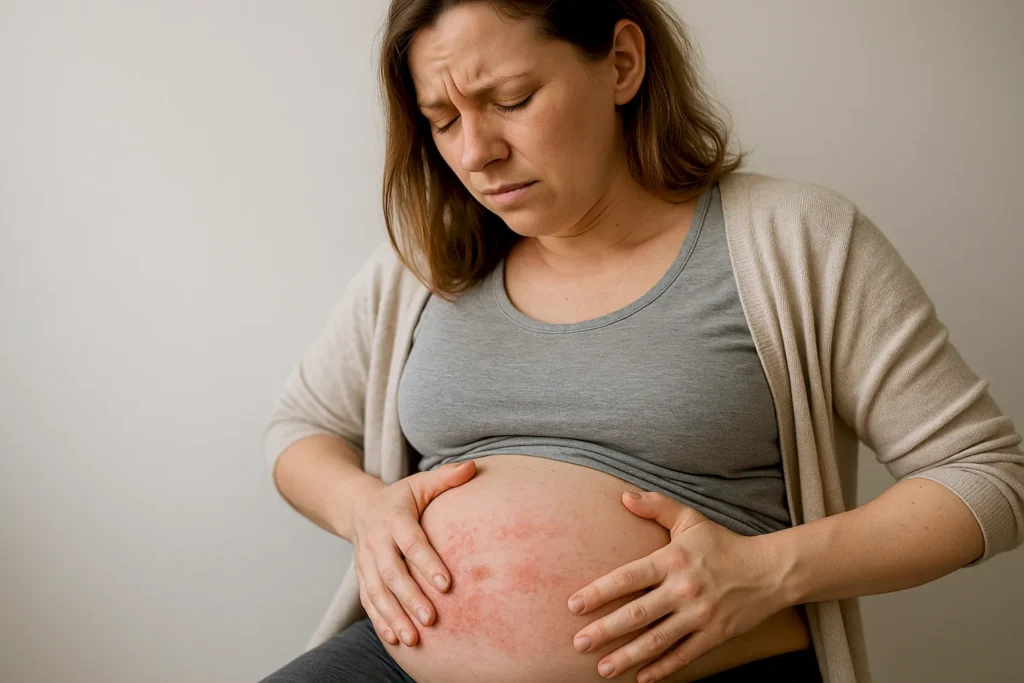
Yeast infection during pregnancy is a common concern many expectant mothers face. It is important to understand what this infection is, how prevalent it is, and the factors that contribute to its development. Recognizing the signs and symptoms can help clarify whether a yeast infection may be an early indication of pregnancy or if pregnancy itself increases the likelihood of infection.
Untreated yeast infections carry certain risks during pregnancy, making timely and safe treatment essential. Various medication options and natural remedies are available to alleviate symptoms effectively. Furthermore, understanding the potential impacts of a yeast infection on pregnancy and fetal health can provide reassurance to mothers. Overall, knowledge about yeast infection during pregnancy and its management supports the well-being of both mother and baby, with “yeast infection pregnancy” being a closely related concern.
What Is a Yeast Infection During Pregnancy?
A yeast infection during pregnancy occurs when there is an overgrowth of the fungus Candida in the vaginal area. This situation can arise due to hormonal changes that alter the natural balance of bacteria and yeast in the body. During pregnancy, increased estrogen levels can promote such imbalances, leading to a greater likelihood of experiencing a yeast infection pregnancy. Understanding how these infections manifest and how to manage them is crucial for maintaining maternal health and comfort.
Key Characteristics of Yeast Infections
- Itching and irritation: Persistent discomfort around the vaginal area.
- Unusual discharge: Thick, white discharge resembling cottage cheese.
- Redness and swelling: Inflammation of the vulva and surrounding tissues.
- Pain during intercourse: Discomfort often reported during sexual activities.
- Burning sensation: Common during urination, especially noticeable.
Recognizing these symptoms can help women address a yeast infection during pregnancy in a timely manner. While not typically harmful, these infections require attention to prevent further complications. It’s also important for expectant mothers to seek medical advice if they suspect they are experiencing any symptoms related to a yeast infection, ensuring proper diagnosis and treatment for their unique circumstances.
Are Yeast Infections Common During Pregnancy?
Many women experience various changes in their bodies during pregnancy, and among these, the occurrence of a yeast infection during pregnancy is not uncommon. Hormonal fluctuations and alterations in the vaginal environment can increase the risk of developing this condition. As the body adjusts to pregnancy, the balance of bacteria and yeast can become disrupted, making it easier for yeast to overgrow. This is a condition that many expectant mothers face, albeit it can be concerning when it arises.
Statistics on Prevalence
- Approximately 75% of women may experience at least one yeast infection during their lifetime.
- During pregnancy, the incidence of yeast infections can rise by up to 30-50%.
- Studies indicate that vaginal yeast infections affect 5-10% of pregnant women at some point.
- Up to 20% of pregnant women are at risk for recurrent yeast infections.
- Second trimester is notably where yeast infections tend to be more prevalent due to hormonal shifts.
- In the postnatal period, women may also experience a resurgence of yeast infections due to lingering hormonal changes.
It’s essential to recognize the symptoms of a yeast infection during pregnancy, which may include itchiness, burning, and unusual discharge. While uncomfortable, many pregnancies can proceed without complications. However, women should be aware that untreated infections can pose risks to their health and the health of the baby. Seeking medical advice at the first signs of discomfort is crucial for maintaining both maternal and fetal well-being.
In addressing a yeast infection during pregnancy, women should consult healthcare providers for diagnosis and treatment options that are safe for both mother and baby.
Overall, while a yeast infection during pregnancy is relatively common, understanding how to manage it effectively can help ensure a healthy outcome. Women should embrace open communication with their healthcare providers to navigate any concerns regarding yeast infections and their potential implications during pregnancy.
What Causes a Yeast Infection During Pregnancy?
Understanding the factors that lead to a yeast infection during pregnancy is vital for expectant mothers. Pregnancy causes a variety of physiological changes in a woman’s body, and these alterations can increase the susceptibility to infections, including yeast infections. A yeast infection can be uncomfortable and may pose risks if left untreated. Therefore, it is essential to identify and understand the underlying causes to effectively manage the condition.
One prominent factor that contributes to yeast infections during pregnancy is the shifts in hormone levels. During pregnancy, the body experiences increased estrogen levels, which can create an environment that promotes the growth of yeast. This hormonal change impacts the natural flora of the vagina, increasing the chances of yeast overgrowth.
Hormonal Changes
The rise in estrogen not only enhances blood flow but also increases glycogen (a type of sugar) in the vaginal tissue. This higher sugar level can fuel the growth of yeast, particularly Candida species. As a result, pregnant women may experience more frequent yeast infections compared to non-pregnant women. Recognizing this connection can help in understanding the importance of monitoring symptoms throughout pregnancy.
Immunity Factors
Another critical aspect contributing to yeast infection during pregnancy is the immune system’s adaptation. Pregnancy triggers various immune responses that prioritize the development of the fetus, potentially compromising the mother’s immune defense against infections. Consequently, the chances of developing a yeast infection increase as the body’s natural defenses may not respond optimally to the overgrowth of yeast.
| Factor | Impact on Yeast Infection | Prevention Tips |
|---|---|---|
| Hormonal Changes | Increased estrogen leading to a favorable environment for yeast growth | Maintain proper hygiene and consult a doctor if symptoms arise |
| Immune System Changes | Decreased immune function increases infection risks | Eat a balanced diet and consider supplements if required |
| Antibiotic Use | Disrupts the natural flora, increasing yeast overgrowth | Discuss antibiotic use with healthcare providers |
To further understand the factors contributing to yeast infections during pregnancy, it is essential to consider lifestyle and dietary choices. Certain habits may inadvertently increase the risk of developing a yeast infection. Awareness of these habits can empower pregnant women to make informed decisions, potentially reducing their risk.
Common Causes
- Increased estrogen levels
- Immune system changes
- Antibiotic usage
- Uncontrolled blood sugar levels
- Poor dietary choices (high sugar intake)
- Wearing tight or damp clothing
- Poor vaginal hygiene
Ultimately, recognizing the factors that lead to a yeast infection during pregnancy is crucial for managing symptoms effectively. By understanding these underlying causes, expectant mothers can take proactive steps to maintain their health and well-being throughout their pregnancy journey.
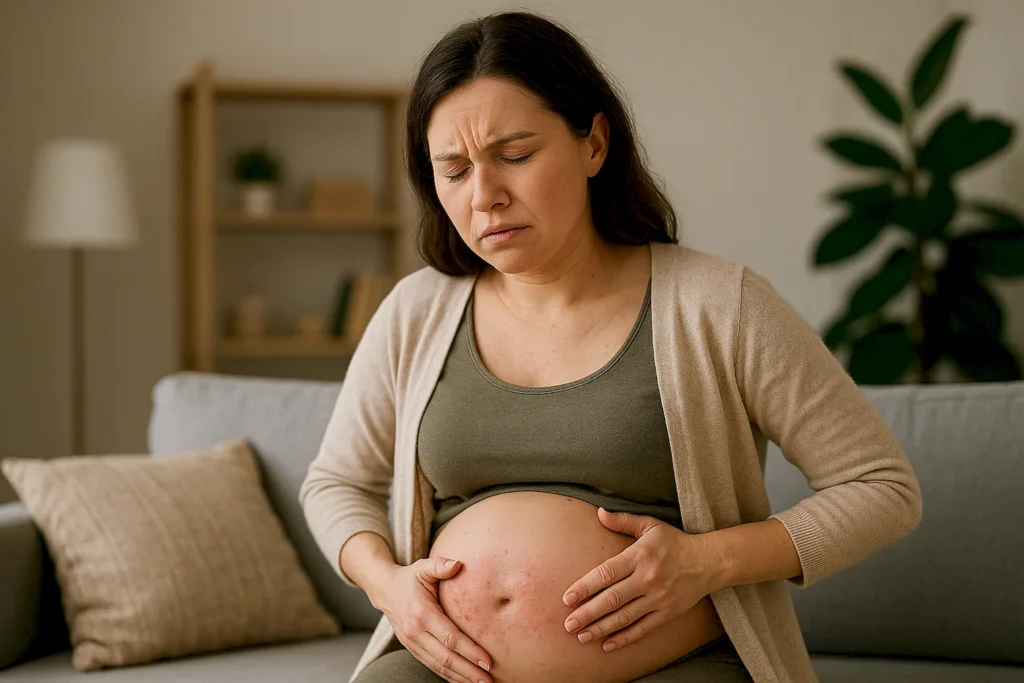
Signs and Symptoms of Yeast Infection During Pregnancy
Recognizing a yeast infection during pregnancy is crucial for maintaining both maternal and fetal health. The body experiences various hormonal changes during pregnancy, which can lead to an increased risk of developing a yeast infection. It’s essential to be aware of the signs and symptoms so that you can seek appropriate treatment if necessary.
Top Symptoms to Watch For
- Itching and irritation: A persistent itching sensation in the vaginal area is one of the most common symptoms.
- Unusual discharge: Women may notice a thick, white discharge resembling cottage cheese.
- Redness and swelling: Inflammation in the vaginal area can occur, leading to noticeable redness and swelling.
- Burning sensation: Many women experience pain or a burning sensation during urination or sexual intercourse.
- Odor: A yeast infection may cause an unusual odor, which can be unpleasant.
While these symptoms can often indicate a yeast infection during pregnancy, they may also overlap with those of other conditions, such as bacterial vaginosis. Therefore, it is vital to consult with your healthcare provider for an accurate diagnosis.
Understanding these symptoms can significantly aid in early detection and treatment, reducing the potential impact on pregnancy.
If you suspect you have a yeast infection during pregnancy, don’t hesitate to seek medical advice, as early intervention can prevent complications. Your healthcare provider can recommend safe treatment options that are suitable during pregnancy, ensuring both your health and the well-being of your baby.
Is a Yeast Infection a Sign of Pregnancy?
A yeast infection pregnancy can indeed raise questions, particularly among expectant mothers. While a yeast infection is not a definitive sign of pregnancy, changes in hormone levels and increased vaginal discharge during pregnancy can make women more susceptible to such infections. Pregnant women may notice symptoms like itching, redness, and unusual discharge – all of which can indicate a yeast infection rather than being direct indicators of pregnancy.
Key Points to Consider
- Yeast infections are common during pregnancy.
- Hormonal fluctuations increase susceptibility.
- Symptoms may mimic those of early pregnancy.
- Diagnosis should be confirmed by a healthcare provider.
- Treatment options are available and safe for pregnant women.
- Maintaining proper hygiene can help prevent infections.
- It is important to distinguish yeast infections from other conditions.
Expecting mothers should be aware that while a yeast infection is not synonymous with pregnancy, it can occur concurrently due to hormonal changes. It is essential to consult with a healthcare professional for accurate diagnosis and treatment. Ignoring symptoms could lead to increased discomfort, and effective management will ensure both maternal and fetal health are prioritized during this crucial time.
Can Pregnancy Cause a Yeast Infection?
During pregnancy, a woman’s body undergoes many hormonal changes, which can significantly impact various aspects of her health, including the balance of bacteria and yeast in the body. One common concern that many expectant mothers face is the likelihood of experiencing a yeast infection during pregnancy. It is essential to understand that the rise in estrogen levels can lead to an increased risk of such infections, making it crucial for pregnant women to be aware of their symptoms and how to address them safely.
Factors Leading to Yeast Infections
- Increased estrogen levels
- Changes in pH balance of the vagina
- Weakened immune system
- Use of antibiotics
- High sugar intake
- Wearing tight or damp clothing
- Diabetes or other health conditions
The symptoms of a yeast infection during pregnancy often mirror those experienced by non-pregnant women, including itching, burning, and unusual discharge. It is vital for expecting mothers to consult healthcare providers before attempting any self-treatment, as certain medications may not be suitable for pregnant women. Early detection and treatment can help alleviate discomfort and prevent complications, ensuring both mother and baby’s health remains a priority.
Note: While a yeast infection during pregnancy is typically not harmful, it can lead to more serious issues if left untreated. Proper medical advice and treatment are essential.
Ultimately, understanding that pregnancy can indeed cause a yeast infection provides women with the knowledge they need to manage their health during this critical time. Being proactive about recognizing symptoms and seeking appropriate treatment is key in ensuring a healthy pregnancy experience. If you suspect you may be experiencing a yeast infection, do not hesitate to reach out to your doctor for guidance.

Is Yeast Infection Common in Early or Late Pregnancy?
During pregnancy, hormonal changes and an increased blood flow to the pelvic area can significantly affect your body’s natural balance. This makes conditions like a yeast infection pregnancy more likely to occur at various stages of gestation. Specifically, the occurrence of yeast infections is reported to increase due to higher estrogen levels, changes in the vaginal flora, and a suppressed immune response, all of which can create a conducive environment for the overgrowth of yeast.
| Stage of Pregnancy | Common Symptoms | Prevalence of Yeast Infection |
|---|---|---|
| First Trimester | Itching, discharge | Moderate |
| Second Trimester | Burning sensation | High |
| Third Trimester | Redness, swelling | High |
The prevalence of yeast infections tends to be higher in the second and third trimesters. Women often report more symptoms during this period, leading to increased diagnosis and treatment. Yeast infections can occur at any stage of pregnancy, but understanding the timing and commonality can help in early identification and management.
Comparison of Prevalence
- Higher rates of infection in the second trimester compared to the first.
- Increased likelihood of recurrent infections in late pregnancy.
- Symptoms more frequently reported during the third trimester.
- Hormonal fluctuations heavily influence yeast infection rates.
- First-time pregnancies may experience varying symptoms.
Overall, while yeast infections are common, they are manageable through proper treatment. Being proactive about recognizing the signs of a yeast infection during pregnancy can lead to better health outcomes for the mother and the baby. If you suspect an infection, it’s crucial to consult a healthcare provider for guidance on safe treatment options.
Risks of Untreated Yeast Infection During Pregnancy
Ignoring a yeast infection during pregnancy could lead to several complications that affect both the mother and the developing baby. Untreated infections can escalate and manifest in various forms, leading to both physical discomfort and potential health risks. It is crucial for expecting mothers to be vigilant about their symptoms and seek timely medical advice if a yeast infection is suspected.
Potential Risks
- Increased risk of preterm labor
- Higher chances of a vaginal delivery with complications
- Potential transmission of infection to the baby during delivery
- Development of secondary infections
- Prolonged discomfort and irritation
- Possible impact on postpartum recovery
Women with a yeast infection during pregnancy may experience significant discomfort, which can contribute to stress and anxiety. This is especially important as stress can negatively affect both maternal and fetal health. Addressing the infection promptly is vital, not only for comfort but also for minimizing risks that could potentially impact the pregnancy.
Seeking early diagnosis and appropriate treatment can help manage the symptoms and reduce complications that may arise from an untreated yeast infection during pregnancy.
In conclusion, the risks associated with a yeast infection during pregnancy are not to be taken lightly. Expecting mothers should prioritize their health by consulting healthcare providers at the first sign of symptoms. Awareness and prompt action can make a significant difference in ensuring the health and safety of both the mother and her baby.
How to Treat a Yeast Infection During Pregnancy Safely
Treating a yeast infection during pregnancy requires caution and care due to the potential impact on both the mother and the developing fetus. It is crucial to consult with a healthcare provider before starting any treatment to ensure the safety of both mother and baby. Maintaining good hygiene and understanding the symptoms can help manage and prevent yeast infections during this sensitive time.
Step-by-Step Treatment Guide
- Consult Your Healthcare Provider: Always begin by discussing your symptoms with your doctor.
- Identify Symptoms: Recognize common symptoms such as itching, discharge, and discomfort.
- Follow Professional Medical Advice: Adhere strictly to the treatment plan prescribed by your healthcare provider.
- Use Over-the-Counter Medications Cautiously: If allowed, select pregnancy-safe antifungal creams or suppositories.
- Practice Good Hygiene: Keep the genital area clean and dry to minimize irritation.
- Wear Breathable Fabric: Opt for cotton underwear and loose-fitting clothing to decrease moisture buildup.
- Stay Hydrated and Eat Well: A balanced diet can support your immune system during pregnancy.
In some cases, using topical antifungal treatments can provide relief, but it is essential that these are approved for use during pregnancy. Enteral therapies and certain natural remedies are options to consider, but always seek your doctor’s approval to avoid any adverse effects. Additionally, avoiding douches and scented products is advisable, as they can disrupt the natural vaginal flora, escalating the likelihood of a yeast infection during pregnancy.
Stay vigilant for recurring symptoms throughout your pregnancy, as hormonal changes can increase the risk of developing yeast infections. If you experience heightened or persistent symptoms, reconnecting with your healthcare provider is paramount to manage the yeast infection effectively. Remember, addressing a yeast infection during pregnancy promptly not only promotes your comfort but also contributes to a healthier pregnancy overall.
Best Medication Options for Yeast Infection During Pregnancy
When dealing with a yeast infection during pregnancy, it is crucial to choose treatment options that are safe for both the mother and the developing baby. Many over-the-counter antifungal treatments are available, but it is essential to consult with a healthcare provider before starting any medication. Pregnant women should prioritize treatments that are clinically proven to be effective while having minimal risks. Safe options typically include topical treatments, which help manage symptoms without exposing the fetus to potentially harmful substances.
| Medication Type | Brand Examples | Usage Guidelines |
|---|---|---|
| Topical Antifungals | Monistat, Gyne-Lotrimin | Apply as directed, typically for 1-7 days. |
| Oral Antifungals | Fluconazole (Rx only) | Use only if prescribed by a doctor. |
| Probiotics | Capsules or yogurt | Incorporate into diet to maintain vaginal flora. |
| Homeopathic Remedies | Tea tree oil, coconut oil | Use with caution; discuss with a healthcare provider. |
Top Medication Options
- Topical antifungal creams (e.g., Monistat, Gyne-Lotrimin)
- Prescription oral antifungal (e.g., Fluconazole)
- Probiotic supplements to support vaginal health
- Natural remedies like coconut oil
- Over-the-counter yeast infection treatments
- Regular yogurt intake containing live cultures
- Consultation with a healthcare professional for personalized advice
It’s vital to monitor and address any discomfort associated with a yeast infection during pregnancy. Pregnant women may experience increased susceptibility due to changes in hormone levels and the immune system. If untreated, complications could arise. Hence, even if symptoms appear mild, obtaining professional guidance ensures that the chosen treatment methods are both effective and safe. Always prioritize the health and safety of both you and your baby when considering treatment options.
Natural Remedies to Relieve Yeast Infection Symptoms
Experiencing a yeast infection during pregnancy can be discomforting and concerning. While it’s crucial to consult with a healthcare provider to confirm the diagnosis and discuss treatment options, many expectant mothers seek natural remedies to alleviate symptoms. These remedies may help reduce itching, irritation, and overall discomfort associated with yeast infections without posing risks to the developing fetus.
Effective Natural Remedies
- Plain Yogurt: The live cultures in yogurt can help restore the natural balance of bacteria in the vagina. For more detailed information on the benefits of yogurt during pregnancy, check out our dedicated article.
- Probiotics: Supplements containing Lactobacillus can support a healthy microbiome and may help in preventing yeast overgrowth.
- Coconut Oil: Known for its antifungal properties, applying coconut oil can soothe irritation and reduce yeast populations. Additionally, staying hydrated with natural fluids like coconut water during pregnancy can support overall well-being.
- Garlic: Consuming raw garlic or using it as a topical treatment can also combat yeast infections due to its antifungal effects.
- Apple Cider Vinegar: Diluted in water, it can be used in a bath to relieve itching and help restore vaginal pH levels.
- Tea Tree Oil: This essential oil, when diluted properly, can be effective in reducing fungal growth.
- Oatmeal Baths: Taking a bath with colloidal oatmeal can soothe irritated skin and relieve itchiness associated with a yeast infection.
While these natural remedies may provide temporary relief, it is vital to remain cautious. Some treatments like essential oils should always be used in diluted forms to avoid irritation. Additionally, what works for one person may not work for another, so personal experience with each remedy can vary. Therefore, it’s prudent to discuss these options with your healthcare provider to ensure safety and effectiveness during yeast infection pregnancy.
Always keep in mind that maintaining good hygiene and making dietary adjustments can play essential roles in preventing future infections. Stay hydrated, eat a balanced diet, and consider wearing breathable underwear to minimize moisture. If symptoms persist or worsen, professional medical advice is critical to ensure the health of both mother and baby.
Can a Yeast Infection Affect Pregnancy or the Baby?
Experiencing a yeast infection during pregnancy can raise various concerns for expectant mothers. While these infections are relatively common, understanding their potential impact on pregnancy is essential. Medically speaking, a yeast infection typically does not pose serious risks to the fetus; however, it can lead to uncomfortable symptoms for the mother, including itching, burning, and abnormal discharge that might cause distress during pregnancy.
Key Concerns and Considerations
- Infection Spread: Yeast infections are localized and do not typically spread to the baby.
- Uncomfortable Symptoms: Symptoms can interfere with the quality of life during pregnancy.
- Treatment Safety: It is crucial to choose treatments that are safe for both the mother and the unborn child.
- Recurring Infections: Frequent infections may indicate an underlying health issue that should be addressed.
- Potential for Complications: Untreated yeast infections can lead to other complications if combined with other conditions.
- Hormonal Changes: Fluctuations in hormone levels during pregnancy may increase susceptibility to infections.
- Postpartum Risk: Awareness is important as yeast infections can recur after delivery.
While a yeast infection is typically manageable, it’s important to consult with a healthcare provider if symptoms arise. They can provide guidance on effective treatments that are safe during pregnancy. It’s also advisable not to self-diagnose, as symptoms can overlap with other conditions that require different therapies. Understanding how a yeast infection during pregnancy may impact one’s health can lead to better outcomes for both mother and child.