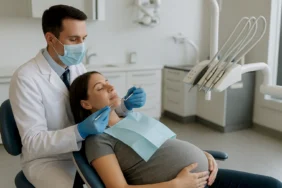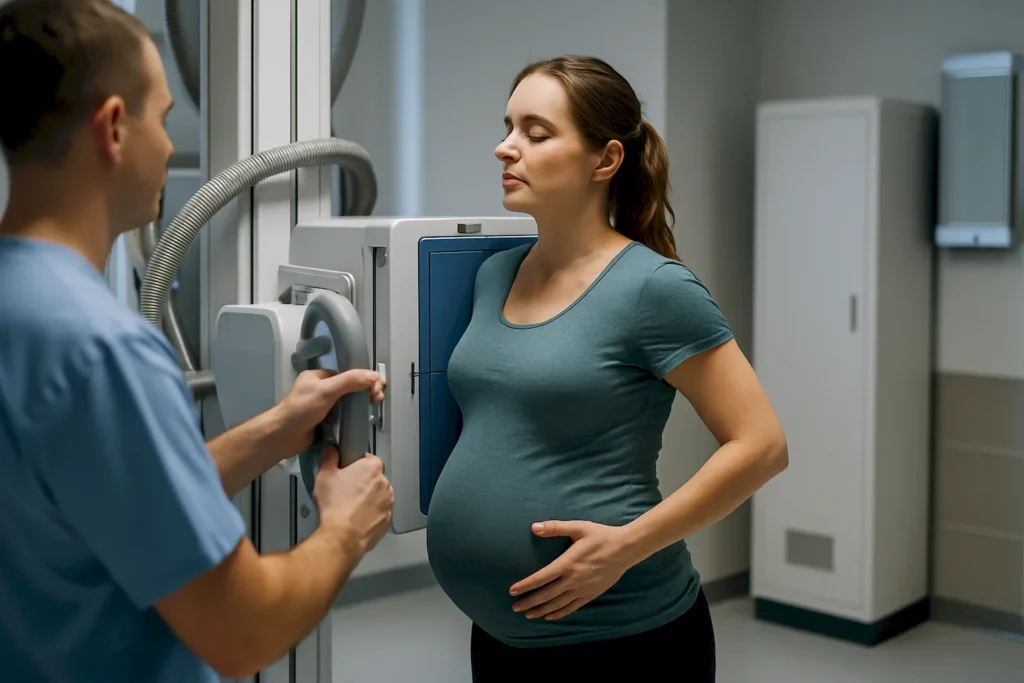
X ray during pregnancy raises important concerns for many expecting mothers, especially when it comes to safety and potential risks. While certain medical imaging procedures are necessary during pregnancy, understanding how and when they can be safely performed is essential. From dental x rays to chest x-rays and even accidental exposure in early pregnancy, it’s crucial to know the facts. Taking the right precautions can help minimize any risks to the developing baby while ensuring the mother receives appropriate care. This guide outlines the key considerations, risk factors, and protective measures every pregnant individual should be aware of when facing the possibility of an x-ray during pregnancy.
What You Should Know About X Ray During Pregnancy
When considering the safety of x ray during pregnancy, it’s essential to understand both the benefits and risks involved. X-rays can be crucial for diagnosing medical conditions, but concerns about radiation exposure during this sensitive time can create anxiety for expecting mothers. Generally, the amount of radiation from a standard pregnancy x ray is very low, often deemed safe if necessary precautions are taken. However, it is vital for healthcare providers to assess the situation and determine if the benefits of the x ray outweigh any potential risks.
Key Facts About X Ray Safety
- The radiation dose from most x rays is minimal and unlikely to affect fetal development.
- X rays should only be performed when absolutely necessary, especially during the first trimester.
- Protective shielding may be used to cover the abdomen during the procedure.
- Dental x rays using a lead apron are generally considered safe during pregnancy.
- Discuss any concerns with your healthcare provider before undergoing an x ray.
- Alternative imaging methods, such as ultrasound or MRI, might be recommended if possible.
- Document accidental radiation exposure and consult your doctor for further guidance.
It’s important to communicate openly with your healthcare team about the need for an x ray during pregnancy. They can provide personalized recommendations based on your specific situation and gestational age. Remember, most pregnancy x rays are performed with precautionary measures in place, reducing the risk to both you and your baby. Always feel empowered to ask questions and clarify any doubts regarding the procedure and its safety.
Are X Rays Safe During Pregnancy?
The question of whether an x ray during pregnancy is safe is one that many expectant mothers face. Generally, the safety of an x ray largely depends on factors such as the type of x ray, the stage of pregnancy, and the necessity of the procedure. It’s essential to understand that while exposure to radiation poses some risks, modern imaging techniques have significantly reduced these risks. The principle of justification ensures that x rays are only performed when the benefits outweigh any potential harms.
| X Ray Type | Radiation Dose (mSv) | Safety Note |
|---|---|---|
| Dental X Ray | 0.005 | Very low risk with proper shielding. |
| Chest X Ray | 0.1 | Generally considered safe with precautions. |
| Abdominal X Ray | 0.7 | Higher risk; only performed if necessary. |
| CT Scan | 10 | High radiation; avoid unless absolutely necessary. |
To make informed decisions regarding an x ray during pregnancy, it’s vital to consult with healthcare providers. They can assess the necessity of the procedure and recommend alternatives if available. For instance, some conditions may be evaluated using ultrasound or MRI, which do not involve ionizing radiation and thus pose no risk to the fetus. Additionally, if an x ray is essential, proper shielding techniques can help minimize exposure to the unborn baby.
Hierarchy of X Ray Types by Safety
- Dental x ray
- Chest x ray
- Abdominal x ray
- Fluoroscopy
- CT scan
Pregnant women must also be educated about the timing of any x rays. For example, the first trimester is a critical period for fetal development, and unnecessary exposure to radiation should be avoided. However, if a medical concern arises, the healthcare provider may prioritize the health of the mother, guiding her through the decision process. Always discuss any possible alternatives and mitigation strategies for radiation exposure to ensure the safety of both mother and baby.

Understanding Pregnancy X Ray Risks and Precautions
When considering the use of an x ray during pregnancy, it is essential to be informed about the associated risks and necessary precautions. Medical professionals often weigh the benefits of obtaining imaging results against the potential hazards to both the mother and the developing fetus. Recent advancements in technology have made it possible to minimize exposure to radiation, but it is still crucial to understand the implications of such procedures during pregnancy.
| Type of X Ray | Radiation Dose (mSv) | Pregnancy Stage Risk Assessment |
|---|---|---|
| Dental X Ray | 0.005 | Low |
| Chest X Ray | 0.1 | Low to Moderate |
| Abdominal X Ray | 0.7 | Moderate |
| CT Scan (Abdomen) | 10 | High |
While the potential impact of x ray during pregnancy can vary according to the type of X-ray conducted, it is important to recognize both short-term and long-term risks associated with radiation exposure. The knowledge of these risks allows expecting mothers to make informed decisions about their healthcare and the safety of their babies.
Short-Term Risks
Short-term risks of x ray during pregnancy primarily involve the immediate effects of radiation exposure on the fetus. Although single low-dose x-rays are generally considered safe, higher radiation levels can lead to complications. For instance, if a pregnant woman receives a high dose of radiation, it may increase the risk of miscarriages or developmental issues in extreme cases.
Long-Term Risks
The long-term risks of exposure to radiation during pregnancy are more concerning. Research suggests that significant radiation exposure might be associated with an increased risk of cancers or genetic mutations in the developing child. Therefore, it is vital to avoid unnecessary x-rays during pregnancy wherever possible. Cases where x-rays are essential should ensure that proper shielding techniques and radiation-reducing measures are used to protect both mother and fetus.
Key Risks and Precautions
- Consult with a healthcare provider prior to any x-ray.
- Consider alternative imaging options like ultrasounds if appropriate.
- Ensure proper shielding is used during necessary x-rays.
- Minimize the number of x-rays taken during pregnancy.
- Understand the type of x-ray being conducted and its associated risks.
- Document all previous radiographic exposures to inform health providers.
- Communicate your pregnancy status clearly before receiving any imaging.
Being well-informed about the risks associated with x ray during pregnancy will empower expectant mothers to make better choices regarding their healthcare and ensure the safety of their baby. Understanding the nuances of different x-ray types and their implications will be beneficial in navigating the complexities of medical imaging during pregnancy.
Dental X Rays During Pregnancy: What Is Safe?
Understanding the safety of undergoing a pregnancy x ray is crucial for expectant mothers. Dental x-rays, while essential for diagnosing oral health issues, can raise concerns during pregnancy due to the exposure to radiation. According to expert guidelines, the potential risks associated with dental x-rays during pregnancy are generally considered minimal, especially when appropriate precautions are taken. Always consult with your healthcare provider to assess the necessity of the x-ray and the safety measures in place.
In some cases, dental procedures such as a root canal during pregnancy may become necessary to address severe tooth infections. Delaying essential treatments could lead to greater health risks for both the mother and baby. That’s why it’s important to understand what procedures are safe and how to proceed with proper care.
Safety Tips for Dental X Rays
- Inform your dentist about your pregnancy status.
- Only undergo x-rays if absolutely necessary for your dental health.
- Use a lead apron to protect your abdomen and thyroid gland.
- Limit the number of x-rays taken during your pregnancy.
- Choose dental facilities that adhere to safety standards and protocols.
- Discuss alternative diagnostic methods with your healthcare provider.
- Ensure that the equipment used is modern and well-calibrated.
It’s essential to understand that the risks associated with dental x-rays during pregnancy are very low compared to the potential risks of untreated dental issues. Research has shown that the radiation exposure from dental x-rays is considered significantly low and falls within the acceptable safety limits for pregnant patients. However, it is crucial for pregnant women to remain cautious and informed about their choices.
Consult with both your dentist and obstetrician to ensure the best care practices during your pregnancy.
In conclusion, while dental x-rays are typically safe during pregnancy, prioritizing the health of both the mother and the developing fetus is vital. By following the outlined safety measures, you can mitigate any potential risks associated with necessary dental x-rays. Remember, maintaining oral health is an important aspect of overall wellness during pregnancy, so ensure clear communication with your healthcare team to make informed decisions.
Can You Have a Teeth X Ray While Pregnant?
When it comes to dental care during pregnancy, many women wonder about the safety of receiving a teeth X ray during pregnancy. The concern is primarily related to the potential risks to the developing fetus. However, it’s important to know that the amount of radiation exposure from a dental X ray is typically very low. According to dental health experts, if absolutely necessary, a teeth X ray can be performed safely with appropriate precautions. Discussing your dental health needs with your obstetrician and dentist will help ensure that both you and your baby are safeguarded throughout the process.
Pros and Cons of Teeth X Rays
- Pro: Low radiation exposure compared to other medical imaging.
- Pro: Essential for diagnosing dental issues that may require treatment.
- Con: Potential risk if proper precautions are not taken.
- Con: The psychological stress of worrying about fetal exposure.
- Pro: Can aid in preventing more serious dental health issues.
- Con: Some dentists may recommend postponing if possible.
Before undergoing any X ray during pregnancy, including a teeth X ray, ensure that your dentist utilizes lead aprons and thyroid collars to minimize exposure. In most cases, dental professionals will only proceed with imaging when it is deemed essential and safe. It’s vital to communicate openly with your dental care team about your pregnancy status, allowing them to make informed decisions about your treatment plan.
Ultimately, having a teeth X ray during pregnancy might be necessary for maintaining your dental health; however, you should weigh the benefits against any potential risks. If you feel anxious about the procedure, remember that informed decisions, guided by professional advice, can often ease concerns. Staying proactive and addressing any dental issues promptly can help ensure a healthy pregnancy while minimizing any adverse effects for you and your unborn baby.

Accidental X Ray Exposure in Early Pregnancy: What to Do
If you find yourself in a situation where you have undergone an x ray during pregnancy without prior awareness of your condition, it’s important to remain calm. The potential risks from low-level radiation exposure, particularly in early pregnancy, are often minimal. However, understanding the steps to take following accidental exposure is crucial for both your health and the development of your baby. Early consultation with a healthcare professional helps clarify any lingering concerns regarding potential harm.
Steps to Take After Accidental Exposure
- Contact your healthcare provider immediately to discuss the incident.
- Communicate your pregnancy status and provide details about the type of x ray.
- Follow any specific medical advice or next steps recommended by your provider.
- Keep a record of the x ray details, including date and time.
- Monitor for any unusual symptoms or changes in your health.
- Attend regular prenatal appointments to ensure your baby’s health is being monitored.
- Discuss any further concerns about future x rays or alternative diagnostic methods.
After having an x ray during pregnancy, it’s essential to be informed about the safety measures available. Generally, if the x ray was necessary for medical reasons, the benefits could outweigh the potential risks. However, knowing how to safeguard your pregnancy while ensuring necessary medical care is vital. Remaining proactive in your healthcare choices, including reliable communication with your doctor, contributes significantly to a healthy pregnancy outcome.
It’s always advantageous to stay informed and proactive about your healthcare, especially during pregnancy.
In summary, while accidental exposure to an x ray during pregnancy can be concerning, taking appropriate steps can help mitigate potential risks. Keep an open line of communication with your healthcare provider and remain vigilant about your health and your baby’s development. Equipping yourself with knowledge will prepare you for any necessary precautions you may need to take moving forward in your pregnancy journey.
Chest X Ray During Pregnancy: Safety and Guidelines
When considering the implications of a pregnancy x ray, it is essential to evaluate the benefits and risks involved. Chest X rays may occasionally be necessary for diagnosing conditions like pneumonia or severe infections that could harm both the mother and fetus. Fortunately, advancements in medical imaging technologies have significantly reduced the radiation dose to the fetus, which is crucial for minimizing potential risks.
In general, medical professionals strive to avoid unnecessary exposure to radiation during pregnancy. However, if a chest X ray is deemed essential by a healthcare provider, specific safety protocols and guidelines will be implemented to limit radiation exposure to the developing baby. It’s vital to communicate openly with your doctor about any concerns regarding x ray during pregnancy and to discuss alternative diagnostic modalities whenever possible.
| Procedure | Radiation Dose (mGy) | Estimated Risk Level |
|---|---|---|
| Chest X Ray | 0.1 | Low |
| Pelvic X Ray | 0.6 | Low |
| CT Scan of the Abdomen | 10 | Moderate |
Understanding the specific conditions that warrant a chest x ray can help alleviate fears and inform well-rounded decisions. There are established guidelines to follow when considering whether to proceed with the X ray procedure during pregnancy.
Guidelines for Chest X Rays
- Always consult with your healthcare provider before scheduling a chest X ray.
- Inform the radiology staff that you are pregnant or could be pregnant.
- Consider alternative imaging methods that do not involve radiation, such as ultrasounds.
- When performing the X ray, protective shielding should be used to cover the abdomen.
- Limit the number of X rays taken during pregnancy to only those that are absolutely necessary.
- Ensure that the facility conducts the procedure with the latest technology to minimize radiation exposure.
- Discuss any concerns or questions with your doctor for personalized advice.
Overall, while a chest x ray during pregnancy is generally considered safe when required, it is crucial to engage in thorough discussions with your healthcare professionals. They will offer guidance on the necessity of the procedure and any mitigative measures that can be taken to protect your pregnancy.
When Is It Necessary?
A chest x ray may be performed during pregnancy when the risks associated with a severe respiratory condition outweigh those of the radiation exposure. Conditions like pneumonia, tuberculosis, or other significant lung infections may require immediate diagnosis and treatment. Doctors typically follow a risk-benefit analysis to determine the necessity of conducting a x ray during pregnancy in these circumstances.
Alternatives to Consider
Before opting for a chest x ray, healthcare providers often explore alternative diagnostic tools that do not involve radiation. For instance, ultrasound and MRI can be effective in visualizing abnormalities in the body without exposing the fetus to radiation. Discussing these alternatives with your healthcare team can help in making an informed choice that prioritizes both maternal and fetal health.
Post-Procedure Care
After undergoing a chest x ray during pregnancy, it is advisable to monitor for any unusual symptoms or side effects. While there is generally little cause for concern following the procedure, maintaining regular communication with your healthcare provider is essential. They can provide support and address any post-procedural questions, ensuring both you and your baby remain healthy.

How X Rays Affect Pregnancy and Your Baby
Understanding how x ray during pregnancy interacts with fetal development is crucial for expectant mothers. X-rays utilize ionizing radiation to produce images of the body, which raises questions regarding their safety during pregnancy. While the risks associated with x-rays are relatively low, it is essential to evaluate them carefully against the medical necessity.
The impact of pregnancy x rays on the developing fetus can vary depending on several factors such as timing, dosage, and the specific area being imaged. Generally, the first trimester is considered the most sensitive period for fetal radiation exposure, which can influence growth and development. Therefore, health professionals are often cautious and may recommend alternative imaging methods that do not involve radiation where possible.
Effects of X Rays on Pregnancy
- Increased risk of birth defects
- Potential developmental delays
- Lower birth weight
- Higher chances of pregnancy complications
- Effects dependent on the stage of pregnancy
- Minimal risk with non-abdominal imaging
When considering the potential health outcomes of x-ray exposure, it is vital to involve healthcare providers in the decision-making process. They will weigh the benefits of the x-ray for diagnosing medical conditions against the potential risks posed to both the mother and the fetus. For instance, certain conditions may require immediate attention that outweighs the risks of radiation exposure.
Potential Health Outcomes
Health outcomes linked to x-ray exposure can vary, but understanding them is essential for pregnant women. Although most studies suggest a low risk associated with medical x-rays, some data show potential long-term effects that could arise. For instance, the risk of childhood cancer is statistically low but slightly elevated with high levels of radiation exposure. This statistic highlights the importance of justified medical use while considering safer imaging alternatives.
Protecting Your Pregnancy During Necessary X Rays
When faced with the need for an x ray during pregnancy, it is crucial to prioritize the safety of both the mother and the developing fetus. While medical imaging is sometimes necessary for diagnosing conditions that could affect maternal health, understanding how to mitigate risks associated with radiation exposure is key. Pregnant women should always discuss the potential hazards and benefits of an x-ray procedure with their healthcare provider.
To ensure both safety and peace of mind, consider implementing the following protective measures. This can help reduce the levels of exposure without compromising diagnostic effectiveness:
Best Practices for Protection
- Consult with your obstetrician before scheduling an x-ray.
- Inform the radiologic technologist of your pregnancy status.
- Request the use of protective lead aprons during the procedure.
- Discuss alternative imaging options that may not involve radiation.
- Limit the number of necessary x-ray procedures to only those that are essential.
- Ensure that x-rays are performed with advanced techniques that minimize exposure.
- Follow up with your healthcare provider to monitor any necessary adjustments in care.
Making informed decisions about x ray during pregnancy can significantly contribute to the wellbeing of both mother and child. Communicating openly with healthcare professionals not only helps in understanding the risks but also provides an opportunity to explore safe alternatives. Ultimately, more research and better imaging technology continue to enhance safety measures, ensuring that necessary medical interventions can proceed with minimal risk.
Conclusion: What Should You Do If You Need an X-Ray While Pregnant?
When faced with a situation that necessitates an x ray during pregnancy, it’s crucial to take informed steps to ensure the well-being of both you and your unborn child. Always consult with your healthcare provider, who can evaluate the necessity of the X-ray and determine the safest approach. They will consider the timing, type of X-ray, and the level of radiation exposure involved, as each factor plays a role in minimizing any potential risks associated with pregnancy x ray procedures.
Action Points to Consider
- Discuss with your doctor the reasons for needing the X-ray.
- Inquire about alternative imaging methods that do not involve radiation.
- Ensure protective measures are taken, such as lead aprons, during the procedure.
- Limit exposure to only the required areas of your body.
- Keep a record of any imaging procedures to share with your healthcare team.
- Consider timing; if possible, postpone the X-ray until after delivery.
By taking these precautionary measures, you can help mitigate risks while receiving essential medical care. Essentially, when a pregnancy x ray is warranted, ensuring all safety protocols are followed can make a significant difference. Always prioritize clear communication with your healthcare providers to ensure the best possible outcomes for both you and your baby.