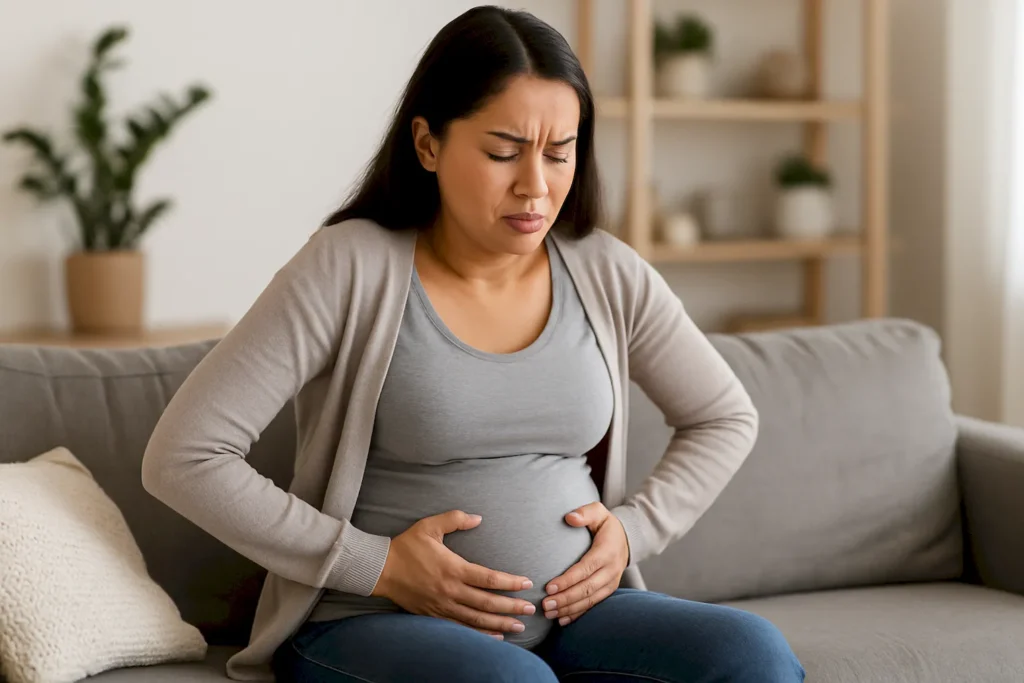
Tummy pain in pregnancy is a common concern that can arise at any stage and may stem from a variety of causes ranging from hormonal changes to digestive issues or uterine growth. Understanding the type and location of the pain—whether it’s a dull ache, sharp cramp, or tight sensation—can help determine whether it’s a normal symptom or something that requires medical attention. Some may experience discomfort in the upper abdomen after eating, while others may notice soreness, rashes, or changes in the tummy’s appearance.
The appearance of the pregnancy line on the tummy and when the bump starts to show are also natural milestones. For many expectant mothers, lower tummy cramps in pregnancy may raise concern, especially in the early weeks, making it essential to distinguish between harmless stretching pains and signs of something more serious.
What Causes Tummy Pain During Pregnancy?
Tummy pain in pregnancy can stem from various factors, making it a common concern for expecting mothers. As the body undergoes significant changes, it is important to understand what may cause discomfort. While some tummy pain is completely normal and can be attributed to the body’s adaptations, others may warrant a closer look. Recognizing the difference can help manage symptoms effectively and ease any worries that may arise.
In many cases, an upset tummy in pregnancy can occur due to hormonal fluctuations, digestive issues, or even the growing uterus. These factors can lead to varying degrees of pain, ranging from mild discomfort to sharper sensations. Therefore, understanding the underlying causes of tummy pain can provide essential insights for pregnant women striving for a healthy experience. Being vigilant about potential signs can contribute significantly to overall prenatal health.
Common Causes of Tummy Pain during Pregnancy
- Round ligament pain as the uterus expands
- Gas and bloating caused by hormonal changes
- Constipation resulting from slowed digestion
- Indigestion or heartburn due to shifted organs
- Pressure from the fetus on surrounding organs
- Possible emerging complications, though rare
Understanding these common causes can empower expectant mothers with useful knowledge to discuss with healthcare providers. While some tummy pain in pregnancy is generally harmless, it’s crucial to remain cautious and aware of symptoms that could indicate other issues.
Physical Causes
Physical changes during pregnancy contribute significantly to tummy pain. As the uterus grows, stretching can lead to mild cramping and discomfort known as round ligament pain. Additionally, hormonal changes can impact the digestive system, often resulting in an upset tummy in pregnancy due to increased gas and bloating. Maintaining a healthy diet and staying hydrated can alleviate some of these physical symptoms while providing nourishment for both mother and baby.
Internal Factors
Internal factors may also play a vital role in tummy pain during pregnancy. Stress and anxiety levels can increase due to the anticipation of becoming a parent, and these emotional changes can sometimes manifest as physical discomfort. Furthermore, constipation and other gastrointestinal issues can contribute to tummy pain, requiring attention and appropriate dietary adjustments. Monitoring one’s mental and emotional well-being alongside physical health can be an essential part of a successful pregnancy journey.
Is Lower Tummy Pain in Early Pregnancy Normal?
Experiencing lower tummy cramps in pregnancy is a common concern among expectant mothers. Many women wonder whether this discomfort is a sign of something serious or simply a natural part of their body’s changes during this time. It’s important to understand that while some level of discomfort can be typical during early pregnancy, knowing when to seek further guidance is crucial for both your peace of mind and your health.
Signs Lower Tummy Pain May Be Normal
- Mild Cramps: If the cramps are mild and resemble menstrual cramps.
- Duration: Short-lived discomfort that comes and goes.
- Lack of Accompanying Symptoms: No other symptoms like heavy bleeding or severe pain.
- Changes in Position: Discomfort that improves with changing positions.
- Normal Activities: Pain that doesn’t prevent you from completing daily tasks.
While lower tummy cramps in pregnancy can be alarming, understanding the normal patterns of discomfort can help alleviate fears. Many women report sensations that can often be attributed to the stretching of their uterus as it begins to accommodate the growing fetus. Additionally, hormonal changes can lead to increased sensitivity in the abdominal area, contributing to these sensations.
It’s essential to listen to your body. If the pain intensifies, or if you experience any unusual symptoms, don’t hesitate to consult your healthcare provider.
Being proactive about your health during this time is key. Always consider discussing your symptoms with your doctor, especially if they have lasted longer than expected or have changed in intensity. Remember, while many experiences are common, each pregnancy is unique, and what may be normal for one person could be a sign of an underlying issue for another.

Upper Tummy Pain During Pregnancy: When to Worry
Experiencing tummy pain in pregnancy can be concerning, especially when the pain occurs in the upper abdomen. Upper tummy pain can arise from various factors, including stretching of ligaments, digestive discomfort, or even more serious conditions. It’s crucial for expecting mothers to understand the potential causes and recognize when to seek medical attention to ensure their health and the baby’s well-being.
While it is relatively common for women to feel discomfort or pain as their bodies adapt to pregnancy, it’s important to differentiate between normal sensations and those that indicate a problem. Upper tummy pain may present as sharp, dull, or throbbing discomfort, and the accompanying symptoms can often provide hints about the severity of the situation. Being proactive about understanding these signs can lead to better health outcomes.
| Potential Causes of Upper Tummy Pain | Description | When to Worry |
|---|---|---|
| Ligament Stretching | Pain from ligaments stretching to accommodate the growing uterus. | Worry if pain is severe and persistent. |
| Gas and Bloating | Digestive issues causing discomfort in the upper abdomen. | Worry if accompanied by significant swelling. |
| Ectopic Pregnancy | Implantation of the embryo outside the uterus. | Worry immediately; requires urgent medical care. |
| Pregnancy-Induced Hypertension | High blood pressure conditions can lead to upper abdomen pain. | Worry if combined with severe headaches or vision changes. |
Recognizing the symptoms associated with upper tummy pain in pregnancy is vital. While mild discomfort is typically normal, certain symptoms may indicate a need for medical evaluation. If you experience significant pain, particularly if it is unexplained or accompanied by other concerning signs, it is essential to consult with your healthcare provider.
Symptoms of Concern
Various symptoms can accompany upper tummy pain. If you experience any of the following, it may warrant immediate medical attention:
When to Seek Medical Attention
- Severe or persistent upper tummy pain.
- Accompanied by nausea or vomiting.
- Fever or chills.
- Shortness of breath or chest pain.
- Severe headache or visual disturbances.
- Changes in fetal movement.
Addressing tummy pain in pregnancy proactively can help in managing concerns and ensuring a safe pregnancy. Remember, while some discomfort is typical, understanding when certain symptoms warrant concern can help keep both mother and baby safe.
Why Is My Tummy Hard or Tight During Pregnancy?
Experiencing a hard or tight tummy during pregnancy can be concerning for many expectant mothers. This sensation is often a normal part of the body’s adjustments as it accommodates the growing fetus. However, understanding the reasons behind this physical change is crucial for ensuring both the mother and baby’s health. Common causes can range from benign factors to those that may require medical attention, thus it’s important to stay informed.
Possible Causes of a Hard or Tight Tummy
- Uterine contractions, particularly braxton hicks contractions, which are common in later stages of pregnancy, are a type of pregnancy contractions that help prepare the uterus for labor. Understanding these pregnancy contractions can help expectant mothers distinguish between normal tightening and signs that may require medical attention.
- Pregnancy bloating, caused by hormonal changes that slow digestion and pressure from the growing uterus, leading to gas buildup and abdominal discomfort.
- Gas and bloating, which can lead to discomfort and a feeling of tightness.
- Round ligament pain, which occurs as ligaments stretch to support the expanding uterus.
- Constipation, a common issue during pregnancy, can also contribute to a hard tummy.
- Dehydration, which may lead to muscle cramps and a hardening stomach.
- Maternal anxiety and stress may manifest physically, causing a feeling of tension in the tummy.
- Increased abdominal pressure due to growth of the baby and uterus.
The experience of a sore or aching tummy in early pregnancy can also be linked to similar physical changes. As your body undergoes various hormonal shifts and physical transformations, mild discomfort is often to be expected. Nevertheless, it is crucial to differentiate between regular sensations and those that may signal a concern. If the tightness is accompanied by severe pain, bleeding, or other alarming symptoms, it is advisable to consult a healthcare professional for further evaluation.
In summary, while a hard or tight tummy during pregnancy can be alarming, it usually signifies normal bodily adaptations. It’s crucial to listen to your body and monitor any changes. If you find yourself experiencing uncomfortable sensations, especially a sore or aching tummy in early pregnancy, keeping a record of these experiences can help you communicate effectively with your healthcare provider if needed. Being proactive about your health during this period will not only provide peace of mind but also ensure a healthier pregnancy journey.
Sore or Aching Tummy in Early Pregnancy: What It Means
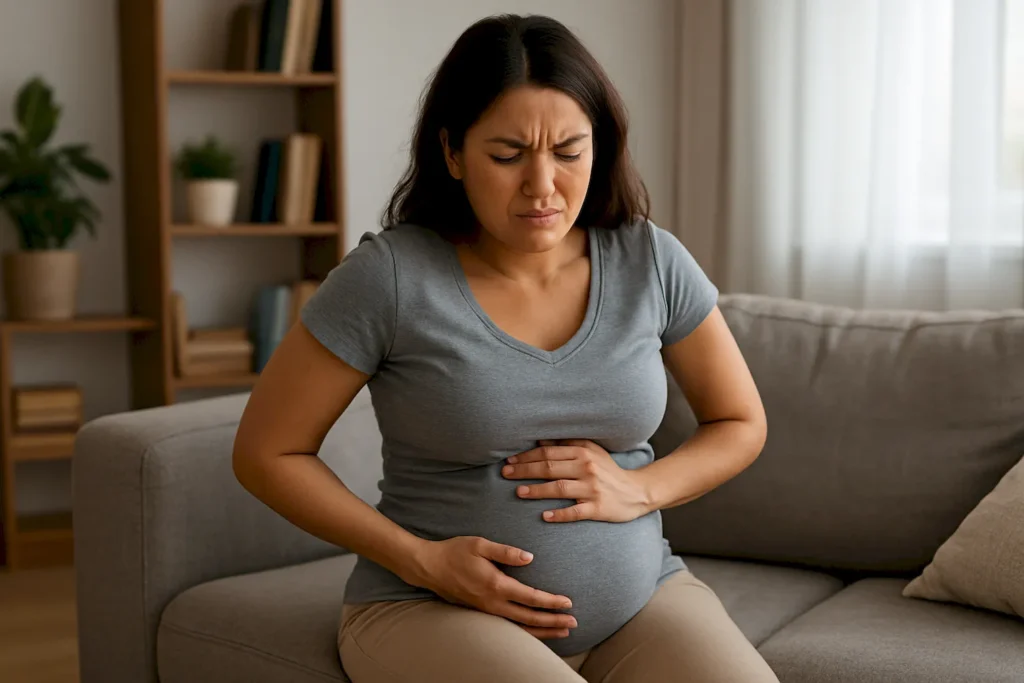
Experiencing a sore or aching tummy in early pregnancy is common and can be attributed to various factors. Hormonal changes play a significant role as your body adjusts to support the growing fetus. Early pregnancy is often accompanied by increased blood flow and changes in the digestive system, which can lead to discomfort or pain in the abdominal area. One common symptom during this time is bloating early in pregnancy, caused by slowed digestion and increased gas production due to hormonal shifts. While it’s essential to pay attention to these sensations, many women find that they can manage the discomfort with proper understanding and care.
Common Interpretations of Tummy Pain
- Implantation pain, as the fertilized egg attaches to the uterine lining
- Round ligament pain, caused by the stretching of ligaments that support the uterus
- Gas and bloating, often exacerbated by pregnancy hormones
- Constipation, which is common due to hormonal changes impacting digestion
- Uterine growth, where the expanding uterus puts pressure on surrounding organs
- Ligament stretching, leading to sharp pain when changing positions
- Possible signs of miscarriage, typically accompanied by severe cramping or bleeding
It’s important to note that while many instances of tummy pain in pregnancy are benign, there are circumstances when it may indicate a more serious issue. In such cases, seek medical advice to determine the underlying cause. Women should also be aware that other symptoms, such as heavy bleeding or severe pain, warrant immediate medical attention. Staying informed about the body’s signals can empower expectant mothers, helping them differentiate between normal discomfort and concerning symptoms.
In conclusion, having a sore or aching tummy during early pregnancy doesn’t necessarily signify a problem. However, understanding the various possible causes can greatly help in managing discomfort. If you ever feel uncertain about the pain your tummy is experiencing, don’t hesitate to reach out to your healthcare provider for personalized guidance and reassurance. Recognizing what’s normal for your body during this sensitive period is key to a healthy pregnancy experience.
Tummy Cramps in Early Pregnancy: Sign of Implantation or Risk?
Tummy cramps can often cause concern for expectant mothers, especially in early pregnancy. Lower tummy cramps in pregnancy are frequently experienced, but distinguishing between normal symptoms and signs that may require medical attention is crucial. During the early stages, many women may experience cramps due to the implantation process, where the fertilized egg attaches to the uterine lining. This process can evoke mild discomfort, resembling menstrual cramps, and is usually not a cause for alarm.
However, it is essential to be aware of other factors that may contribute to tummy pain in pregnancy. In some instances, lower tummy cramps can indicate complications such as ectopic pregnancy or miscarriage. These situations can be serious and require prompt medical evaluation. Understanding the nature and timing of your cramps can help determine whether they are within the range of normal pregnancy symptoms. Monitoring the severity, duration, and accompanying symptoms can also be beneficial.
Common Causes of Lower Tummy Cramps in Early Pregnancy
| Cause | Symptoms | Action Required |
|---|---|---|
| Implantation | Light cramps, spotting | No action needed |
| Ectopic Pregnancy | Severe pain, shoulder pain | Seek immediate medical help |
| Miscarriage | Intense cramping, heavy bleeding | Contact your healthcare provider |
| Round Ligament Pain | Sharp pain when moving | No action needed |
Differences Between Implantation and Risk-Related Cramps
- Timing: Implantation cramps generally occur around the time of your expected period.
- Intensity: Implantation cramps are usually mild and relatively short-lived.
- Bleeding: Light spotting may accompany implantation, while risk-related cramps could involve heavier bleeding.
- Location: Implantation cramps typically feel localized in the lower abdomen.
- Other Symptoms: Risk-related cramps may be accompanied by significant other symptoms, such as dizziness or severe pain.
- Duration: Implantation cramps usually resolve quickly, while risk-related cramps persist or worsen.
In summary, while lower tummy cramps in pregnancy can be common and caused by various factors, knowing when to seek help is essential for both the mother and the baby. Always consult a healthcare provider if you experience any concerning symptoms, such as severe pain or heavy bleeding. Remember that staying informed and aware of your body’s signals can lead to better outcomes during this critical time.
Upset Tummy in Pregnancy: Common Causes and Relief Tips
Experiencing an upset tummy in pregnancy is a common concern for many women. This discomfort can stem from various factors, including hormonal changes, dietary adjustments, and physical changes in the body as it accommodates the growing baby. It’s essential to understand the root causes of tummy pain in pregnancy to properly address and alleviate the symptoms. A thorough understanding can help expectant mothers manage and reduce discomfort effectively.
Common causes of an upset tummy in pregnancy may include morning sickness, indigestion, and anxiety related to pregnancy changes. As the body undergoes significant transformations, the digestive system can be affected, leading to discomfort. Additionally, food cravings and aversions can also contribute to digestive issues, which may manifest as tummy pain in pregnancy. Each woman’s experience is unique; hence, some may feel these symptoms intensely, while others may encounter them more mildly.
Effective Tips for Relief
- Stay hydrated by drinking plenty of fluids throughout the day.
- Eat smaller, more frequent meals to ease digestion.
- Avoid spicy, greasy, or heavy foods that can exacerbate tummy pain.
- Incorporate ginger or peppermint tea, which may help soothe an upset stomach.
- Practice relaxation techniques, such as deep breathing or yoga, to reduce stress.
- Consult with your healthcare provider about suitable dietary adjustments.
- Keep track of specific foods that trigger symptoms to avoid them in the future.
Implementing these effective tips for relief can significantly enhance comfort and well-being during pregnancy. Remember, every woman’s experience is different, so it is crucial to find personalized strategies that work best for you. Knowing when to seek professional medical advice for severe or persistent symptoms is equally important. It’s always better to consult a healthcare provider if you have concerns about tummy pain in pregnancy.
Long-Term Strategies
In addition to immediate relief tips, expectant mothers should consider long-term strategies to manage tummy pain associated with pregnancy. Establishing a balanced diet rich in fiber can help promote regular digestion and minimize discomfort. Including foods such as fruits, vegetables, and whole grains can alleviate constipation and reduce the likelihood of an upset tummy in pregnancy. Regular exercise, tailored to your physician’s recommendations, is also beneficial, as it can enhance overall digestive health and diminish stress levels.
Moreover, maintaining a consistent sleep schedule and ensuring ample rest can greatly influence digestive health, leading to fewer disruptions and discomfort. Self-care practices, such as prenatal massages or warm baths, may also encourage relaxation and ease tummy pain. By integrating these long-term strategies, pregnant women can create a more comfortable and healthier pregnancy experience.

The Pregnancy Tummy Line: Why It Appears and What It Means
The pregnancy tummy line, also known as the linea nigra, is a dark vertical line that often appears on the abdomen of pregnant women. This phenomenon is usually caused by hormonal changes during pregnancy that increase the production of melanin, leading to increased pigmentation in certain areas of the skin. Many expectant mothers notice this line appearing in their second trimester, although some may see it earlier. The appearance of the linea nigra is perfectly normal, and it is often a sign that the body is undergoing the significant changes associated with pregnancy. For those who may experience a sore or aching tummy in early pregnancy, understanding these changes can alleviate some concerns regarding abdominal discomfort.
Significance of the Pregnancy Tummy Line
- Indicator of Pregnancy Progress: The appearance of the line signifies that the body is adjusting to pregnancy.
- Hormonal Influence: The linea nigra is primarily a result of hormonal changes, especially increased estrogen and progesterone.
- Common in Many Pregnancies: It can appear in women of all skin tones, although it’s more noticeable in those with darker skin.
- Temporary Condition: Typically, the line fades after childbirth as hormone levels return to normal.
- Visual Change: The tummy line is often accompanied by other skin changes, such as stretch marks or pigmentation variations.
- Not a Cause for Concern: While some women may find it surprising, the linea nigra is generally harmless.
While the exact onset of the tummy line varies from person to person, recognizing its significance can help expectant mothers embrace the physical transformation of their bodies. It’s important to note that experiencing a sore or aching tummy in early pregnancy can be related to various factors, including stretching ligaments and hormonal shifts, and is usually not indicative of a serious issue. Achieving a better understanding of these changes, including the pregnancy tummy line, can provide reassurance during this exciting phase of life.
When Does the Tummy Start Showing in Pregnancy?
During pregnancy, a woman’s body undergoes numerous changes, and one of the most noticeable is the appearance of a baby bump. Many expectant mothers wonder when their tummy pain in pregnancy shifts from occasional discomfort to a visible change in abdomen shape. Typically, the tummy starts showing around the second trimester, generally between 12 to 16 weeks. However, this timing can vary widely depending on several factors, including the mother’s body type, prior pregnancies, and overall health.
| Pregnancy Week | Typical Changes | Potential Discomforts |
|---|---|---|
| Week 8 | Small, subtle changes | Occasional achiness |
| Week 12 | Noticeable roundness begins | Increased tummy pain in pregnancy |
| Week 16 | More pronounced bump | Stretching sensations |
| Week 20 | Clearly visible baby bump | Varied discomfort levels |
The increase in belly size can lead to various physical sensations. Expectant mothers may experience some degree of tummy pain in pregnancy, which is often attributed to the stretching of ligaments and skin to accommodate the growing baby. It’s important to understand that while some discomfort is normal, any persistent or severe pain should be reported to a healthcare provider to rule out complications.
As the pregnancy progresses, the body continues to adapt, and each woman’s experience may differ. Factors such as muscle tone, amniotic fluid levels, and individual anatomy play significant roles in how and when the tummy pain in pregnancy manifests, along with the visibility of the pregnancy bump. Keeping track of these changes helps ensure both mother and baby remain healthy throughout this transformative journey.
Big or Small Pregnancy Tummy: Should You Be Concerned?
When it comes to pregnancy, every woman experiences changes in her body differently. One aspect that often sparks curiosity and concern is the size of the pregnancy tummy. Some might worry if their tummy is too big or too small, which can lead to questions about whether tummy hurts during pregnancy has any correlation to size. It’s essential to understand that tummy size can vary greatly among expectant mothers due to factors such as body type, genetics, and the position of the baby.
Understanding what is considered normal for your pregnancy is crucial. Many women experience variations in their tummy size throughout their pregnancy journey. While some might discover that they have a smaller bump, it could simply be the way their body carries the baby. That said, if your tummy hurts during pregnancy or you notice significant changes in size—either larger or smaller than expected—it might be worthwhile to consult with your healthcare provider.
Considerations for Tummy Size
- Your pre-pregnancy weight and body type
- How many pregnancies you have had before
- Position and size of the baby
- Amniotic fluid levels
- Uterine health and growth rate
- Muscle tone and abdominal fitness
- Overall maternal health and nutrition
Ultimately, the size of your tummy isn’t the sole indicator of pregnancy health. It’s important to monitor any discomfort, like when your tummy hurts during pregnancy, and to communicate with your healthcare professional. Listening to your body and addressing any concerns can offer peace of mind as you navigate this transformative time.
Pros and Cons of Big vs. Small Tummy
There are both pros and cons associated with having a big or small pregnancy tummy. A larger tummy may indicate that your baby is growing well and that there is adequate amniotic fluid, which can be reassuring. However, a bigger tummy might also come with discomfort and additional back pain. On the other hand, a smaller tummy could lead to fewer discomforts, yet it may raise questions about the baby’s growth and health. It is essential to remember that every pregnancy is unique, and what is ‘normal’ can look very different for different women.
Tummy Rashes and Skin Changes During Pregnancy
During pregnancy, many women experience various skin changes, including tummy rashes that can be attributed to hormonal fluctuations and skin stretching. These changes can range from mild to severe, often causing discomfort or concern among expectant mothers. It is important to understand these skin transformations and how they relate to overall tummy pain in pregnancy.
Common Skin Changes to Watch For
- Stretch marks: Often appearing as reddish or purple lines on the tummy, these are a common result of rapid skin stretching.
- Itching: Due to skin stretching, many pregnant women may experience localized itching on the belly.
- Pregnancy rash: Characterized by itchy spots or hives, this rash can appear at any point during your pregnancy.
- Darkening of the skin: Hyperpigmentation may occur, resulting in dark patches on the tummy known as linea nigra.
- Acne flare-ups: Hormonal changes can lead to increased acne around the belly area.
- Varicose veins: Some women may experience visible swollen veins on the tummy due to increased blood flow.
These skin changes, while often harmless, can sometimes be indicative of underlying conditions that may contribute to tummy pain in pregnancy. Proper skin care and awareness of your body’s transformations can help manage these symptoms effectively. Always consult a healthcare professional if you notice persistent or unusual changes.
In summary, while tummy rashes and skin changes are generally normal during pregnancy, it’s crucial to monitor your symptoms and seek medical advice when necessary.
Remember, being informed about the various skin changes can ease anxieties and allow for a healthier pregnancy experience. Taking care of your skin not only supports its appearance but also contributes to your overall comfort during this incredible journey.
What to Do if Tummy Pain Happens After Eating While Pregnant
Tummy pain in pregnancy can often raise concerns for expecting mothers, especially when it occurs after eating. This can be distressing and might lead to questions about the safety and well-being of both the mother and the baby. The digestive system undergoes numerous changes during pregnancy, which can contribute to discomfort. Understanding the potential causes of tummy hurts during pregnancy and knowing how to respond can make a significant difference in how you manage your symptoms.
Common reasons for experiencing tummy pain after meals during pregnancy include hormonal changes, increased pressure on the stomach from the growing uterus, and even dietary choices. Some women may find that they are more sensitive to certain foods or that they experience indigestion more frequently. If you are experiencing persistent pain or symptoms that concern you, it is essential to consult with your healthcare provider for personalized advice and reassurance.
| Causes of Tummy Pain After Eating | Symptoms | Treatment Options |
|---|---|---|
| Hormonal Changes | Nausea, Bloating | Small, frequent meals |
| Dietary Triggers | Heartburn, Indigestion | Avoiding spicy or rich foods |
| Pressure from Uterus | Cramps, Discomfort | Changing positions, gentle stretching |
| Constipation | Gas, Bloating | Increased fiber intake, hydration |
It’s also important to be proactive in managing tummy pain. By identifying and addressing the underlying causes, you can effectively alleviate discomfort. Keeping a food diary may help you track any specific foods that trigger your symptoms, allowing you to make informed choices moving forward.
Steps to Take for Relief
- Stay hydrated by drinking plenty of water throughout the day.
- Eat small, frequent meals to prevent overwhelming your digestive system.
- Avoid foods known to cause gas or bloating.
- Gradually introduce new foods to identify any triggers.
- Practice relaxation techniques to reduce stress and tension.
- Consult with your healthcare provider about safe remedies.
- Keep a record of your symptoms and any correlations with dietary habits.
Prevention Tips
To minimize the occurrence of tummy pain after eating while pregnant, consider implementing some preventive measures. It’s essential to maintain a balanced diet rich in nutrients that support both your health and your baby’s development. Including plenty of fiber can help prevent constipation, which is a common issue during pregnancy. Additionally, incorporating relaxation techniques, such as deep breathing or prenatal yoga, can help ease tension that could contribute to discomfort.