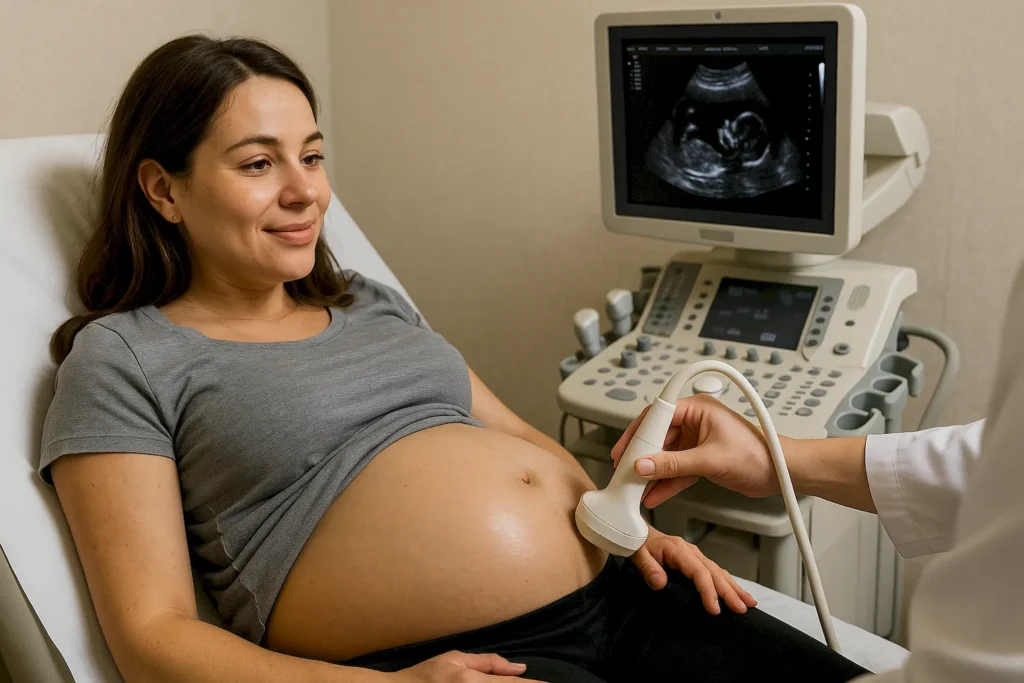
Tilted uterus pregnancy is a condition in which the uterus tilts backward rather than forward, commonly occurring during a woman’s reproductive years. It may raise questions for those who are expecting, especially regarding how it influences pregnancy experiences and whether it affects the visibility of early symptoms. While the position of the uterus can vary, many individuals with a tilted uterus go on to have completely healthy pregnancies. This guide offers clear insights, visual references, and practical tips to support those navigating pregnancy with this condition. Reassuringly, a tilted uterus during pregnancy is typically not a cause for concern and rarely interferes with the overall pregnancy journey.
What Is a Tilted Uterus and How Common Is It in Pregnancy?
A tilted uterus, also known as a retroverted uterus, occurs when the uterus tilts backward instead of forward. This anatomical variation is quite normal and affects about 20-30% of women. While many may not experience any complications from this condition, understanding its implications during pregnancy is crucial for expectant mothers. A tilted uterus during pregnancy can present unique challenges, but most women with this condition go on to have healthy pregnancies.
Common Characteristics of a Tilted Uterus
- Positioning: The uterus tilts towards the rectum instead of the bladder.
- Symptoms: Some women may experience pelvic pain or discomfort, especially during menstruation.
- Fertility: It usually does not affect fertility or the ability to conceive.
- Pelvic exams: It may be more difficult for healthcare providers to feel the uterus during pelvic exams.
- Detection: Often discovered during routine gynecological examinations or ultrasounds.
- Changes during pregnancy: The position of the uterus can change as the pregnancy advances.
- Associated conditions: Rarely, a tilted uterus can be linked to conditions such as endometriosis or fibroids.
Expecting mothers with a tilted uterus might find themselves questioning the potential effects on their pregnancy. Generally, the tilt is not a cause for concern; your healthcare provider will monitor your progress and provide guidance as needed. Nevertheless, staying informed about how a tilted uterus could influence various aspects of pregnancy will help alleviate any worries and ensure a smoother experience.
In summary, a tilted uterus is relatively common and typically does not pose significant risks during pregnancy. Most women adapt to this anatomy without major complications. However, understanding its characteristics is essential for any consideration of possible impacts on pregnancy, labor, and delivery. If you have concerns about having a tilted uterus during pregnancy, don’t hesitate to discuss them with your healthcare provider, as they can provide personalized advice and reassurance tailored to your situation.
How Does a Tilted Uterus Affect Pregnancy?
When navigating the complexities of a tilted uterus during pregnancy, many expectant mothers find themselves wondering about the implications this may have on their journey to motherhood. A tilted uterus, also known as a retroverted uterus, can influence various aspects of pregnancy. While most women with this condition experience normal pregnancies, understanding the potential impacts is crucial for proper prenatal care.
It is essential to recognize that a tilted uterus does not inherently lead to complications. However, certain tilted uterus effects can arise during pregnancy, including discomfort and challenges during physical examinations. As the uterus enlarges, it may shift in position, which can affect how the baby grows and how the mother feels throughout her pregnancy. The natural positioning and changes in the body should be monitored by healthcare professionals to ensure a healthy pregnancy.
Potential Impacts of a Tilted Uterus
| Impact | Description | Management |
|---|---|---|
| Discomfort | Some women may feel pelvic pain or lower back discomfort. | Regular prenatal check-ups to monitor pain. |
| Physical Examination Challenges | Doctors may find it harder to conduct routine exams. | Alternative examination techniques may be used. |
| Urinary Issues | Pressure on the bladder can lead to frequent urination. | Hydration and bladder training exercises can help. |
| Reduced Visibility on Ultrasound | It may be difficult to get clear ultrasound images. | Multiple scans may be needed for accuracy. |
In addition to potential challenges, it is beneficial for women to be aware of the effects of a tilted uterus during pregnancy. Understanding these effects helps to manage expectations and prepare for any adjustments that may be necessary throughout the pregnancy.
Effects of a Tilted Uterus During Pregnancy
- Increased backache and discomfort due to uterine positioning.
- Difficulty in palpating the uterus during physical exams.
- Frequent urination from pressure on the bladder.
- Challenges in obtaining accurate ultrasound images.
- Changes in the positioning of the fetus in the later stages of pregnancy.
- Pain during intercourse for some women.
- Potential problem with uterine contractions during labor.
Possible Complications
While there can be instances of complications associated with a tilted uterus, they are generally rare. Some women may experience issues such as prolonged menstrual cycles or fertility challenges prior to pregnancy; however, these complications often do not carry over into the pregnancy itself. Regular monitoring by a healthcare provider can help address any concerns that arise throughout the process.
Benefits of a Tilted Uterus
Interestingly, many women discover that having a tilted uterus can come with its own set of advantages. For instance, some individuals report less discomfort during intercourse. Additionally, a tilted uterus may provide a different pelvic experience during labor, sometimes leading to less pain during contractions. Understanding both the positives and negatives of a tilted uterus during pregnancy can help expectant mothers maintain a proper perspective.
Can a Tilted Uterus Hide Pregnancy Symptoms?
A tilted uterus, known as a retroverted uterus, can often lead to confusion regarding its effects on pregnancy symptoms. Some women may wonder whether this anatomical variation can obscure the early signs of pregnancy. While every woman’s body is unique, the relationship between a tilted uterus pregnancy and symptom manifestation is complex. Research suggests that not everyone with a tilted uterus will experience hidden symptoms, but it can influence the perception of some signs associated with pregnancy.
Symptoms That May Be Altered
- Nausea and vomiting
- Breast tenderness
- Fatigue
- Frequent urination
- Cramping or bloating
- Changes in appetite
- Mild lower back pain
Women with a tilted uterus may find that their body reacts differently during pregnancy. For instance, symptoms like nausea and breast tenderness might not be as pronounced, potentially leading to a misconception that they are not pregnant. In some cases, unexpected symptoms such as jaw pain during pregnancy may also arise, emphasizing the importance of paying attention to all physical changes and consulting your healthcare provider when in doubt.
In summary, a tilted uterus does not inherently prevent pregnancy or guarantee the absence of symptoms. Instead, it may alter the way symptoms present themselves, leading to confusion for those experiencing a tilted uterus pregnancy. Understanding one’s body and seeking timely medical advice can help in recognizing a pregnancy even when symptoms may seem diminished. By staying informed and observant, women can better navigate their pregnancy journey, regardless of uterine positioning.
Tilted Uterus During Pregnancy: What to Expect
Experiencing a tilted uterus during pregnancy can lead to unique sensations and developments. Many women may wonder how this condition can impact their pregnancy journey. While a tilted uterus can sometimes create discomfort or additional symptoms, it generally does not pose any significant risks during pregnancy. Understanding what to expect can help ease concerns and prepare for the changes ahead.
In many cases, a tilted uterus during pregnancy aligns more naturally as the uterus grows and expands. This adjustment often alleviates discomfort and allows for normal fetal development. As your body changes, you may notice increased pressure in the pelvic area or discomfort during sex, particularly in the early stages of pregnancy. However, these symptoms can be managed with proper care and attention.
Key Expectations
- Physical Changes: Expect some physical changes as the uterus shifts position.
- Pelvic Discomfort: Some women may experience increased pelvic discomfort in the first trimester.
- Urinary Frequency: Increased pressure on the bladder may lead to more frequent urination.
- Constipation: Hormonal changes can contribute to digestive issues, including constipation.
- Vaginal Discharge: You may notice changes in vaginal discharge due to hormonal fluctuations.
- Back Pain: Growing pains can manifest as back discomfort as the pregnancy progresses. In some cases, this discomfort may extend to the tailbone area. If your tailbone hurts during pregnancy, it could be related to the position of the uterus and should be evaluated by a healthcare provider.
Adjustment of Symptoms: Many symptoms may lessen or change as the uterus shifts position. - Adjustment of Symptoms: Many symptoms may lessen or change as the uterus shifts position.
Being proactive about your health can minimize discomfort related to a tilted uterus during pregnancy. Consult your healthcare provider if you experience severe pain or other unusual symptoms, as these could be signs of complications unrelated to the tilted uterus. Regular prenatal care is essential for monitoring the health of both you and your baby.
Managing Comfort during Pregnancy
Comfort is key when navigating a tilted uterus during pregnancy. Simple measures such as adjusting your sleeping position, using supportive pillows, and practicing gentle exercise can significantly improve your wellbeing. Consulting with a physical therapist or prenatal yoga instructor may also provide valuable insights into managing discomfort effectively.
Visual Guide: Tilted Uterus Pregnancy Pictures
Understanding the visual aspects of a tilted uterus pregnancy can help expectant mothers feel more comfortable and informed. A tilted uterus, also known as a retroverted or retroflexed uterus, can alter the typical presentation of pregnancy. It is crucial, however, to note that having a tilted uterus is a common variation and generally does not pose serious risks during pregnancy. In fact, most women with this condition have healthy pregnancies and deliveries without complications.
Common Visual Representations
- Normal uterine positioning in early pregnancy
- Image of a retroverted uterus on ultrasound
- Comparison of a tilted vs. anteverted uterus side by side
- Diagrams showing typical fetal positions in a tilted uterus
- Visual cues of uterine positioning changes throughout trimesters
- Illustrations depicting pelvic anatomy and uterine angles
- Photographs illustrating common discomforts associated with a tilted uterus
Seeing these visual representations can provide reassurance and clarity. Additionally, keeping in mind that a tilted uterus pregnancy may result in different symptoms or discomforts can prepare you for what to expect. While some women might experience increased back pain or pressure during pregnancy, these symptoms can often be managed with the appropriate guidance from healthcare professionals. Remember, it’s always best to consult with your doctor regarding any concerns you might have during your pregnancy journey.
Managing Pregnancy with a Tilted Uterus
Managing a tilted uterus during pregnancy requires understanding how this condition affects your body and the developing fetus. Many women with a tilted uterus experience minimal complications; however, it’s crucial to stay informed about your unique situation. Regular prenatal check-ups can help monitor any changes, and your healthcare provider may suggest specific practices to support a healthy pregnancy.
| Potential Challenges | Symptoms | Management Strategies |
|---|---|---|
| Discomfort during later stages | Back pain, abdominal pressure | Pelvic floor exercises |
| Increased risk of urinary issues | Frequent urination | Stay hydrated, Kegel exercises |
| Potential labor complications | Changes in contractions | Frequent monitoring by professionals |
Another critical aspect of managing tilted uterus pregnancy is recognizing the signs of complications early on. While many women carry their babies to term without issues, it’s essential to communicate any unusual symptoms to your healthcare provider. Regular monitoring and open discussions about your experiences can help facilitate a safer pregnancy journey. Additionally, follow the guidance provided by your obstetrician or midwife to ensure any underlying concerns are effectively managed.
Tips for Managing a Tilted Uterus During Pregnancy
- Consult with your healthcare provider for tailored advice.
- Practice good posture to alleviate discomfort.
- Incorporate gentle exercises to strengthen pelvic muscles.
- Consider prenatal yoga or pilates to enhance flexibility.
- Stay hydrated and maintain a balanced diet for overall well-being.
- Attend all scheduled prenatal appointments to monitor your progress.
- Discuss any concerns regarding labor with your provider beforehand.
In summary, navigating a tilted uterus during pregnancy is manageable with proper care and awareness. Many women deliver healthy babies despite this condition, so maintaining a positive outlook and feeling empowered in your choices can significantly impact your experience. Remember that your healthcare provider is your best ally in helping you ensure a healthy pregnancy journey.