
Tdap shot during pregnancy provides essential protection for both mother and baby against tetanus, diphtheria, and pertussis (whooping cough)—a condition especially dangerous for newborns. Receiving the vaccine in the third trimester helps ensure maximum antibody transfer to the baby, enhancing early immune protection after birth. Medical experts confirm that the vaccine is safe for pregnant individuals, with mild side effects such as soreness at the injection site being the most commonly reported.
This preventive step plays a crucial role in reducing the risk of serious illness during and after pregnancy. By understanding the benefits and safety of this immunization, expectant parents can make informed choices about their health and that of their child. The importance of the tdap shot pregnancy timeline is also discussed to support optimal outcomes.
What Is the Tdap Shot and Why Is It Important During Pregnancy?
The Tdap shot, which stands for tetanus, diphtheria, and pertussis, is a crucial vaccination recommended for pregnant women. During pregnancy, a woman’s immune system undergoes several changes, making it essential to take proactive measures to protect both her own health and that of her baby. The Tdap shot during pregnancy helps create a protective barrier, particularly against pertussis (whooping cough), which can be severe and even fatal in young infants. Receiving this vaccination not only safeguards the mother but also transfers antibodies to the unborn child, providing them with crucial immunity when they are most vulnerable.
Key Reasons for the Importance of Tdap Shot During Pregnancy
- Protection Against Whooping Cough: The Tdap shot significantly reduces the risk of infants contracting whooping cough in their early months.
- Transfer of Antibodies: The vaccine helps pass immune protection from mother to baby, ensuring the newborn has a better chance of fighting infections.
- Community Immunity: High vaccination rates among pregnant women lead to lower circulation of pertussis in the community, protecting those who cannot be vaccinated.
- Reduced Hospitalization Risk: Vaccinated mothers are less likely to have babies hospitalized due to whooping cough complications.
- Safety Record: Extensive studies show that the Tdap shot is safe for both mothers and their babies when given during pregnancy.
Additionally, receiving the Tdap shot during pregnancy is recommended during the third trimester, as this timing maximizes the transfer of protective antibodies to the fetus. Experts urge expectant mothers to consult with their healthcare providers about the timing of this important vaccination to ensure optimal protection for both themselves and their newborns. The Tdap shot pregnancy guidelines emphasize that timing is key, underscoring the critical nature of maternal immunization.
In summary, the Tdap shot is a vital component of prenatal care that can significantly impact the health outcomes for both mothers and their infants. Vaccination during pregnancy is a simple and effective way to provide lifelong protection against serious diseases. As healthcare practices continue to evolve, the importance of the Tdap shot remains firmly rooted in protecting future generations.
When Should You Get the Tdap Shot During Pregnancy?
Receiving the Tdap shot during pregnancy is crucial for both maternal and infant health. The vaccine protects against tetanus, diphtheria, and pertussis (whooping cough), which are particularly dangerous for newborns. To gain the optimal benefits, it is essential to understand the timing and administration of the shot, ensuring that mothers-to-be are fully informed about when to get vaccinated.
The recommended timing for the Tdap shot during pregnancy is primarily during the third trimester, ideally between 27 and 36 weeks. This timing allows the antibodies to transfer effectively to the fetus, providing the newborn with early protection against these diseases. However, the vaccine can be given at any time during the pregnancy if it was not received previously, emphasizing the need for women to consult their healthcare providers about their vaccination status.
Recommended Timeline for Tdap Shot
- Schedule your Tdap shot during the third trimester (27-36 weeks) for optimal antibody transfer.
- Get vaccinated during each pregnancy, regardless of when the last dose was given.
- Consult your healthcare provider early in your pregnancy to review your immunization history.
- Consider receiving the Tdap shot before conception if you are planning future pregnancies.
- If you missed the third trimester window, get vaccinated immediately after delivery.
- Encourage family members to receive their Tdap vaccination, especially those who will be in close contact with the newborn.
- Keep a record of your vaccination to ensure timely updates for future health care.
Delaying the Tdap shot can pose significant risks not only to the mother but also to the infant. Pertussis, in particular, can lead to severe respiratory complications in newborns. Therefore, it is vital for pregnant women to prioritize the vaccine. By ensuring the timely administration of the Tdap shot, mothers can bolster their babies’ immune defenses against preventable diseases right from birth.
Potential Risks of Delay
Failing to receive the Tdap shot during pregnancy can increase the likelihood of exposure to serious illnesses. Infants are most vulnerable to infections, and without maternal antibodies, they have little defense against diseases like pertussis. Furthermore, if a mother contracts one of these diseases, it could lead to complications and a more challenging recovery process. Thus, prompt vaccination is key in protecting both the mother and her child throughout the pregnancy.
Is the Tdap Shot Safe During Pregnancy?
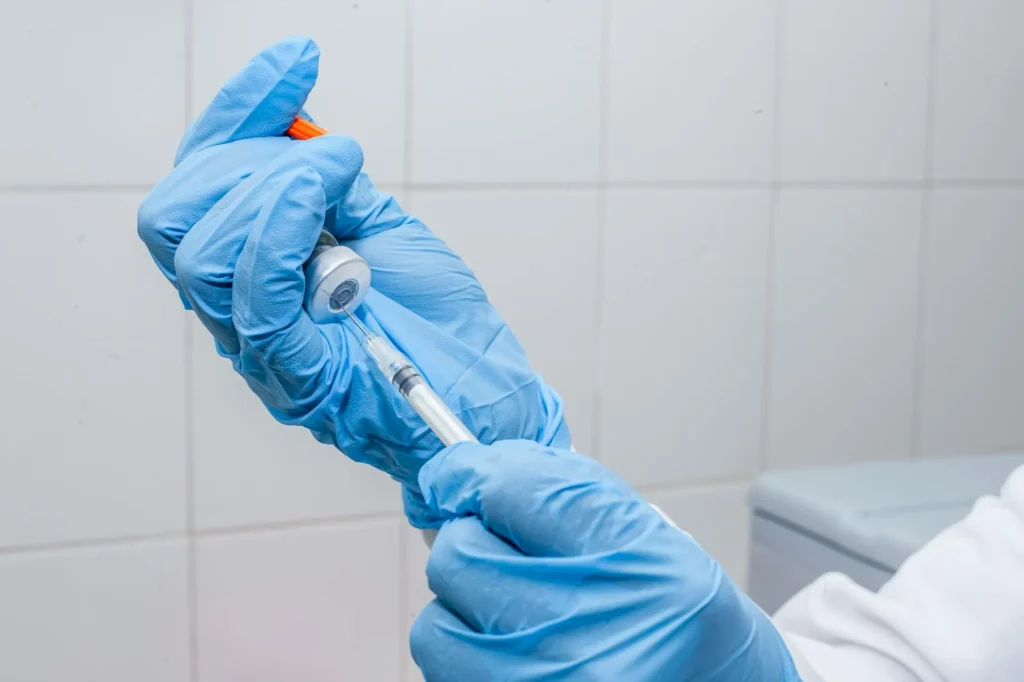
The Tdap shot during pregnancy is a crucial immunization aimed at protecting both mothers and their newborns from preventable diseases such as tetanus, diphtheria, and pertussis. As expecting mothers often face numerous health decisions, understanding the safety and implications of vaccines like Tdap is essential. Many women may have concerns regarding the vaccine’s safety profile and its potential effects on both their health and the fetus. However, extensive research provides reassurance regarding the Tdap shot during pregnancy, emphasizing its protective benefits.
Studies conducted by health organizations, including the Centers for Disease Control and Prevention (CDC) and the American College of Obstetricians and Gynecologists (ACOG), have consistently found that the Tdap shot is safe for pregnant women. Not only does the vaccination help to maintain maternal antibodies, but it also facilitates the transfer of these antibodies to the unborn child, thus providing a shield against pertussis early in life. This preventive measure is recommended during each pregnancy, preferably between the 27th and 36th week of gestation, to maximize the protection offered to the infant.
Benefits of Tdap Shot During Pregnancy
| Benefit | Explanation | Timing |
|---|---|---|
| Protects the Baby | Provides immunity to the newborn against whooping cough. | During pregnancy |
| Reduces Hospital Visits | Lessens the likelihood of the baby contracting severe diseases. | Upon vaccination |
| Maternal Antibodies | Boosts maternal antibody levels, providing postnatal protection. | 28-36 weeks |
The Tdap safety profile during pregnancy has been evaluated through various studies, and findings indicate a low incidence of adverse effects. Like any medical intervention, there can be minor side effects such as soreness at the injection site, fatigue, or mild fever. However, these effects are typically short-lived and resolve without the need for intervention. It is essential for pregnant individuals to discuss their health history with their healthcare provider to make informed decisions regarding vaccinations.
Safety Comparisons
- Thorough clinical trials demonstrating the Tdap vaccine’s efficacy and safety.
- No significant adverse effects reported in pregnant populations.
- Comparison with other vaccines, showing similar or lower side effect profiles.
- Recommendations from leading health organizations supporting its use during pregnancy.
- Long-term safety data collected from vaccinated individuals and their children.
In summary, the Tdap shot during pregnancy proves to be a safe and beneficial immunization method for protecting both the mother and the baby. Healthcare providers continue to advocate for its administration during pregnancy, underscoring the success of the vaccine in preventing serious illness. As expectant mothers consider their health options, it’s crucial to remain well-informed and consult healthcare professionals regarding the Tdap safety and the benefits it provides in safeguarding their newborns.
Expert Opinions on Vaccine Safety
Healthcare experts emphasize the importance of vaccinating pregnant women with the Tdap shot. They highlight that the risks associated with not vaccinating—especially in relation to infant pertussis—far outweigh any potential risks of receiving the vaccine. Experts also note that ongoing monitoring of vaccine safety for pregnant women reveals no evidence linking the Tdap shot to severe complications during pregnancy, affirming its overall safety. Furthermore, many pediatricians recommend that infants receive their DTaP (diphtheria, tetanus, and pertussis) vaccinations on schedule, as the mother’s immunization helps kickstart the infant’s immunity in the earliest stages of life.
Common Side Effects of the Tdap Shot During Pregnancy
The Tdap shot, administered during pregnancy, is vital for protecting both the mother and the newborn from serious diseases like tetanus, diphtheria, and pertussis. However, it is also important to be aware of the potential Tdap side effects that may occur post-vaccination. Understanding these side effects helps in recognizing what is normal and when to seek medical attention, ensuring peace of mind during this crucial time. Side effects of the Tdap shot are generally mild and temporary, allowing pregnant individuals to focus on their health and the health of their baby.
Typical Side Effects to Watch For
- Redness or swelling at the injection site
- Soreness or pain in the arm where the shot was administered
- Neck ache in pregnancy
- Fever, usually low-grade
- Fatigue or tiredness
- Headache
- Muscle aches
- Nausea
- Jaw pain during pregnancy
While most Tdap side effects are mild, it’s essential to monitor for any unusual symptoms. If a pregnant individual experiences severe reactions, such as difficulty breathing, swelling of the face or throat, or a high fever, it is crucial to seek medical advice immediately. Being well-informed about these possible side effects empowers pregnant individuals to make confident decisions regarding their health and vaccination. Overall, the benefits of receiving the Tdap shot during pregnancy significantly outweigh the risks posed by these mild side effects.
How the Tdap Shot Protects You and Your Baby
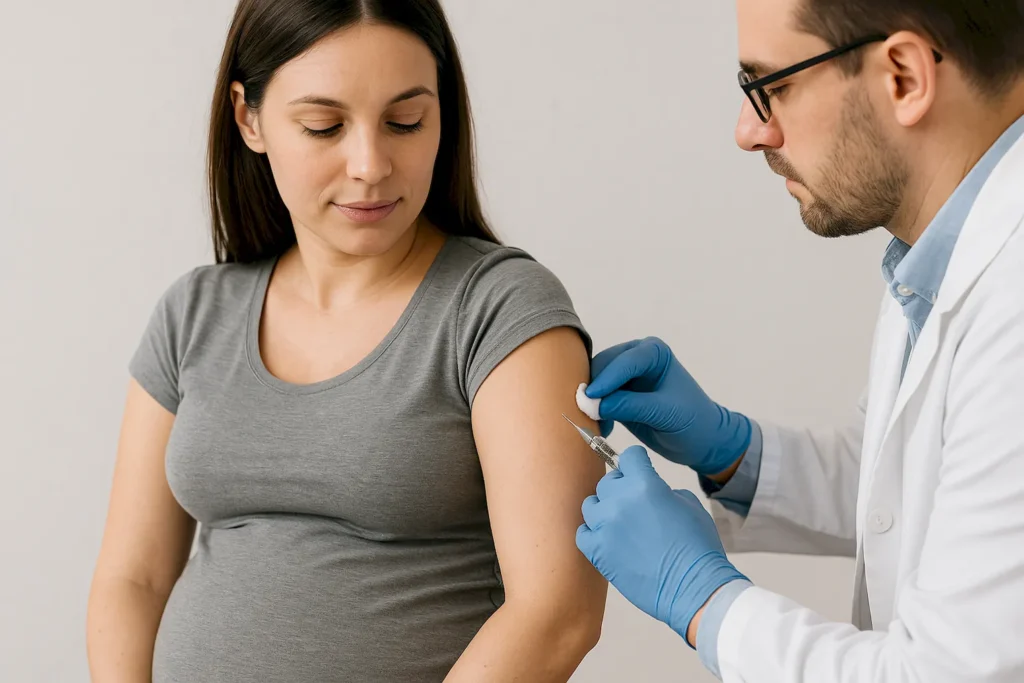
The Tdap shot during pregnancy is a vital vaccine that not only protects the mother but also significantly benefits the newborn. This shot is designed to guard against three serious diseases: tetanus, diphtheria, and pertussis (whooping cough). As infants are particularly vulnerable to these infections, ensuring the mother is vaccinated can provide crucial protection during the early months of the baby’s life. By receiving the Tdap shot pregnancy, mothers can strengthen their defenses and pass on immunity to their infants.
When considering the timing and administration of the Tdap shot, it’s imperative to understand how this vaccination works to protect both mother and baby. The vaccine is typically recommended during the third trimester of pregnancy, ideally between 27 and 36 weeks. This timing allows the mother to produce antibodies that can be transferred to the baby through the placenta. This immunization approach is vital because it helps build the newborn’s innate immune system before they are eligible for their own vaccinations.
| Disease | Symptoms | Impact on Infants |
|---|---|---|
| Tetanus | Muscle stiffness and spasms | Can be fatal in infants |
| Diphtheria | Sore throat, fever, and weakness | Can cause severe respiratory issues |
| Pertussis | Severe coughing and difficulty breathing | Life-threatening for infants under 1 year old |
Understanding the mechanism of protection offered by the Tdap shot is crucial for expecting mothers. Here are key aspects of how this vaccination safeguards the health of both mother and child:
Mechanism of Protection
- Antibody Production: The mother develops antibodies against tetanus, diphtheria, and pertussis.
- Placental Transfer: Antibodies are transferred through the placenta to the fetus.
- Early Immunity: Newborns obtain passive immunity before they can be vaccinated.
- Community Protection: Vaccinating mothers helps reduce the circulation of these diseases.
- Preventing Severe Disease: Vaccination lowers the risk of severe complications associated with these infections in infancy.
- Safe Timing: Administering the vaccine during pregnancy poses no harm to the mother or fetus.
- Public Health Guidelines: Recommendations by health authorities reinforce the need for vaccination during pregnancy.
Benefits for the Mother
The Tdap shot during pregnancy offers substantial benefits for the mother, enhancing her protection against severe illness and ensuring that she remains healthy throughout her pregnancy. With the proper immunization, mothers can avoid complications related to the diseases that the vaccine prevents. Moreover, a healthy mother is essential for successful pregnancy outcomes, allowing her to care for her newborn effectively.
Benefits for the Baby
The most significant advantage for the baby comes from the antibodies transferred during pregnancy. Infants born to vaccinated mothers are less likely to contract pertussis during their vulnerable early months. This is particularly critical as babies are at the highest risk for severe complications or even fatal outcomes from whooping cough. By getting the Tdap shot pregnancy, mothers can give their children a strong start in life.

Frequently Asked Questions About the Tdap Shot in Pregnancy
When it comes to the tdap shot during pregnancy, many expectant mothers have questions about its importance, safety, and potential side effects. Understanding these aspects can help in making informed decisions for both the mother and her newborn. The Tdap vaccine is crucial for protecting against tetanus, diphtheria, and pertussis, especially during pregnancy when the mother’s immunity is vital for her baby’s health.
Commonly Asked Questions
- What is the Tdap shot?
- Why is the Tdap shot recommended during pregnancy?
- When should I receive the Tdap shot during pregnancy?
- Is the Tdap shot safe for me and my baby?
- What are the common side effects of the Tdap shot?
- How does the Tdap shot protect my newborn?
- Can I receive the Tdap shot if I am breastfeeding?
It is essential to address each of these questions as they pertain to the overall understanding of the Tdap shot pregnancy protocol. Many healthcare providers emphasize that the benefits of the shot far outweigh any potential concerns. For instance, this vaccine is designed to boost the mother’s immunity, thereby passing on protective antibodies to the baby. This is especially important since infants are at serious risk for complications from pertussis, also known as whooping cough. For pregnant women, regular health monitoring including pregnancy tests is crucial to ensure both mother and baby’s well-being throughout the pregnancy journey.
Ultimately, mothers-to-be should engage in open conversations with their healthcare providers to clarify any concerns regarding the Tdap vaccination. Being informed empowers mothers to make decisions that nurture and protect their babies, enhancing the health outcomes for both. Through education and proactive healthcare choices, expectant families can navigate this important aspect of prenatal care effectively.