
Tailbone hurts pregnancy is a common issue that many women face during their pregnancy journey, often leading to discomfort and concern. While it may seem like a minor issue, understanding the root causes of tailbone pain, along with knowing how to relieve it effectively, is essential for ensuring a more comfortable and healthy pregnancy experience. In this article, we will explore the reasons behind this pain, potential treatments, and tips for managing it, so you can continue your pregnancy with less discomfort.
What Causes Tailbone Pain During Pregnancy?
During pregnancy, many women experience various physical changes, and one common discomfort is tailbone pain. This pain can arise from multiple factors, often related to the natural progression of pregnancy. The hormonal changes, particularly involving relaxin, increase joint flexibility in preparation for childbirth, which can lead to stress on the tailbone (coccyx) area. Additionally, as the baby grows, the additional weight can place pressure on the pelvic region, contributing further to this discomfort.
Common Causes of Tailbone Pain During Pregnancy
- Weight gain and pressure from the growing uterus
- Hormonal changes affecting ligament flexibility
- Poor posture during sitting or standing
- Increased curvature of the lower back
- Physical activity or injury
- Previous tailbone injury aggravating under stress
Another significant aspect is the changing body mechanics as the center of gravity shifts. This alteration can lead to strained muscles and ligaments supporting the pelvis and lower back. As a result, tailbone pain during pregnancy may vary in intensity, often worsening with prolonged sitting or standing. Furthermore, pelvic floor changes may also contribute to discomfort in this area.
It’s crucial to identify the underlying causes of tailbone pain in order to effectively manage and alleviate discomfort during pregnancy.
Understanding the various causes of tailbone pain can help expectant mothers find effective relief strategies, promoting comfort throughout their pregnancy journey. Paying attention to body positioning, engaging in gentle movements, and utilizing supportive seating can significantly ease the strain on the tailbone. However, if pain persists or intensifies, consulting a healthcare professional is advised to rule out any serious conditions.
Is It Normal That My Tailbone Hurts in Pregnancy?
Experiencing discomfort in the tailbone region during pregnancy is quite common, and many women report that they deal with this condition. While it can be alarming to feel pain in such an unusual area, it’s important to recognize that normal tailbone pain can arise from various factors related to pregnancy. These factors include hormonal changes, weight gain, and pressure on the pelvic area, all of which can contribute to discomfort. Understanding the symptoms of tailbone pain will help you distinguish between typical discomfort and something that may require medical attention.
Key Points to Consider Regarding Tailbone Pain
- Changes in posture and weight distribution during pregnancy can lead to tailbone pain.
- The hormone relaxin can loosen ligaments, affecting the sacral area.
- Sitting for prolonged periods may exacerbate the pain.
- Tailbone pain is typically more pronounced in the later stages of pregnancy.
- Relief can often be found through specific exercises and changes in daily habits.
- Consulting a healthcare professional is essential if pain persists or worsens.
- Monitoring any accompanying symptoms can aid in determining the need for medical advice.
It’s essential to prioritize your comfort throughout your pregnancy. Tailbone pain, while often considered a normal part of the process, can vary significantly in severity. If you notice that the pain limits your ability to perform daily activities or is accompanied by other troubling symptoms, reaching out to your healthcare provider is a wise choice. Ultimately, understanding the nuances of tailbone discomfort can help you navigate your pregnancy with greater ease.

When Does Tailbone Pain Usually Start in Pregnancy?
Understanding the timeline of tailbone pain in pregnancy can help expectant mothers prepare for and manage this uncomfortable symptom. Typically, tailbone pain becomes noticeable during the second trimester, around the 14th to 28th week of pregnancy. However, each woman’s experience may vary based on individual factors such as body mechanics, weight gain, and hormonal changes. If you’re concerned about when tailbone pain starts during your pregnancy, keep in mind that it can also arise earlier or later depending on your unique circumstances.
Timeline of Tailbone Pain During Pregnancy
- First trimester – Early stages may see sporadic discomfort due to hormonal changes.
- Second trimester (14-28 weeks) – Increased pressure on the tailbone as the belly grows is common.
- Mid-second trimester – Pain may increase with changes in posture and weight distribution.
- Third trimester (28-40 weeks) – Tailbone pain might intensify as the baby continues to grow.
- Pre-labor – Some women may experience heightened tailbone discomfort in preparation for labor.
- Postpartum – Discomfort can persist after delivery due to changes in body dynamics, and many women may also experience hip pain after pregnancy as their body adjusts to the post pregnancy stage.
It’s essential for expectant mothers to recognize that while tailbone hurts pregnancy is common, the intensity and onset can vary widely. Seeking advice from healthcare providers can offer personalized insights and relief strategies tailored to individual needs. Remember, staying informed about your body’s signals is crucial for navigating this transformative journey.
How to Relieve Tailbone Pain During Pregnancy
For many women, experiencing discomfort in the tailbone region during pregnancy is common and can lead to concerns about how to manage and alleviate this pain. Fortunately, there are effective relief for tailbone pain methods that can substantially improve comfort. Understanding both physical therapies and home remedies can empower expectant mothers to take steps towards relief.
Effective Relief Strategies
- Use a supportive cushion when sitting
- Practice pelvic tilts to enhance flexibility
- Engage in prenatal yoga or gentle stretching
- Apply heat or cold packs to the affected area
- Consider acupuncture for pain relief
- Maintain good posture while sitting and standing
- Consult a physical therapist if pain persists
Incorporating these strategies into your daily routine can help manage discomfort. As you explore options, it’s essential to choose a method that fits your lifestyle and needs. For those more inclined towards personalized therapies, engaging in physical therapies provides tailored interventions that can make a significant difference.
Physical Therapies
Physical therapy can be an invaluable resource for pregnant women facing tailbone pain. A certified physical therapist can guide you through exercises designed to strengthen the pelvic floor and improve posture, reducing pressure on the tailbone. Gentle massages and targeted stretching are also beneficial for women whose tailbone hurts during pregnancy, as they promote both relaxation and increased circulation to the affected area. One important aspect to remember is that each session should be approached with care, focusing on personal comfort and safety.
Home Remedies
For those seeking to manage pain at home, there are several effective home remedies for pain that can offer relief without the need for professional intervention. Regularly applying warm compresses can ease muscle tension, while soaking in a warm bath can provide overall relaxation. Additionally, it’s advisable to avoid prolonged sitting in hard chairs, especially when tailbone hurts pregnancy is an issue; instead, opt for softer seating options. Combining these gentle practices often leads to marked improvements in overall comfort and well-being during pregnancy.
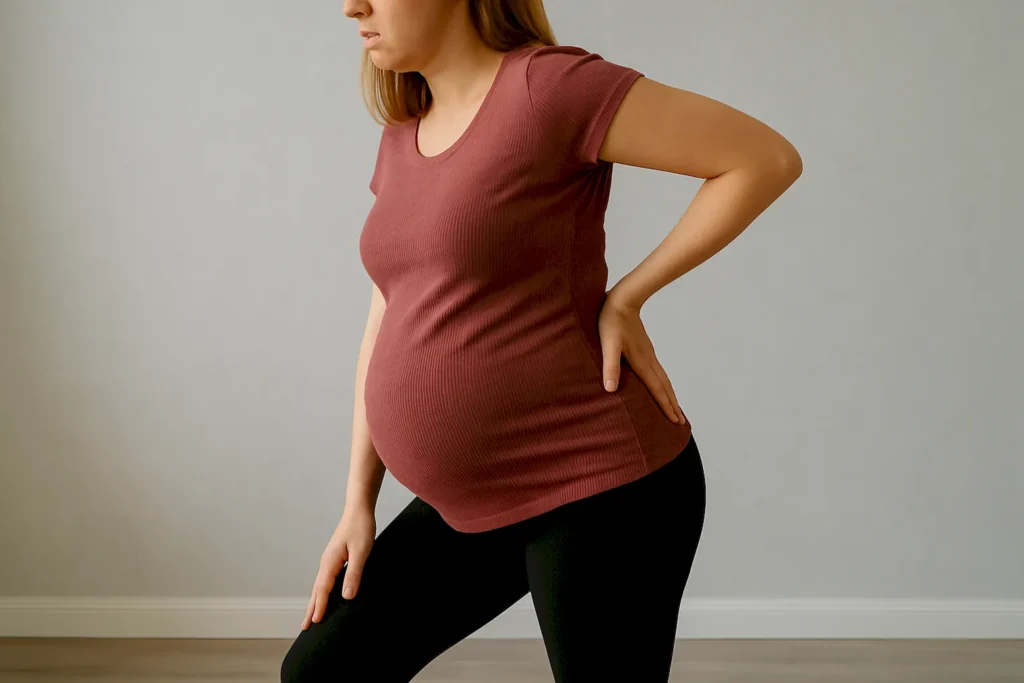
Safe Exercises for Tailbone Pain Relief in Pregnancy
Finding safe exercises for tailbone pain during pregnancy can significantly enhance your comfort and overall well-being. During pregnancy, many women experience discomfort in various body areas, including the tailbone. Engaging in the right exercises is crucial as they can *alleviate pain*, prevent stiffness, and improve mobility without putting undue stress on the body. Always consult your healthcare provider before starting any exercise regimen to ensure they are suitable for your individual situation.
One prevalent method to alleviate discomfort is through tailored physical activities designed specifically for pregnant women. These activities not only target the *muscles and structures around the tailbone* but also promote relaxation and flexibility. Below are some recommended safe exercises that can help relieve tailbone pain during pregnancy.
Recommended Safe Exercises
These exercises focus on strengthening the pelvic floor and surrounding muscles while providing gentle relief from tailbone stress. Below is a table outlining some beneficial exercises, their durations, and the intended benefits:
| Exercise | Duration | Benefits |
|---|---|---|
| Pelvic Tilts | 10-15 minutes | Strengthens lower back and pelvic muscles |
| Cat-Cow Stretch | 5-10 minutes | Improves spinal flexibility and relieves pressure |
| Modified Child’s Pose | 5-10 minutes | Stretches lower back and thighs, reduces pressure on the tailbone |
| Kneeling Hip Flexor Stretch | 5 minutes on each side | Opens hips, alleviates lower back tension |
In addition to the exercises mentioned, it’s essential to listen to your body. If an exercise exacerbates pain, stop immediately. You should compile a list of safe exercises suitable for your *stage of pregnancy* and comfort level, allowing for modifications as you move forward.
Exercises to Avoid
- High-impact activities (e.g., running, aerobics)
- Twisting or rotation-heavy workouts
- Excessive deep squats
- Any positions that put pressure directly on the tailbone
- Heavy weightlifting
- Activities that require lying flat on your back after the first trimester
Remember, while engaging in *safe pregnancy exercises* can help relieve tailbone pain, it’s always important to prioritize safety and comfort. If you notice persistent pain or discomfort, do not hesitate to consult your healthcare provider for tailored advice and further assistance.
When Should You See a Doctor About Tailbone Pain in Pregnancy?
Experiencing tailbone pain during pregnancy can be concerning, especially when it becomes acute or persists over time. While mild discomfort can often be attributed to the physical changes your body undergoes during this period, there are specific instances where a doctor’s consultation may be necessary. It is important to listen to your body and differentiate between typical discomfort associated with pregnancy and signs of something more serious.
If you find that your symptoms are unusual or increasingly bothersome, you should evaluate them in light of certain critical factors. Below are key symptoms that indicate it’s time to seek medical advice:
Signs It’s Time to Consult a Doctor
- Severe and persistent pain that limits your daily activities.
- Pain accompanied by fever or chills.
- Increased swelling or redness around the tailbone area.
- Unexplained changes in bowel or bladder habits.
- Pain that worsens after sitting for long periods.
- New onset of pain after a fall or injury.
In addition to the physical symptoms, consider any emotional or psychological tailbone pain concerns that may arise during pregnancy. Tailbone discomfort can sometimes exacerbate feelings of anxiety or stress, making it essential to communicate these feelings with your healthcare provider. Keeping an open line of communication surrounding your symptoms will help ensure a thorough evaluation and appropriate management plan is created.

Can Tailbone Pain Affect Labor or Delivery?
Experiencing tailbone hurts pregnancy is not uncommon, and many pregnant individuals may wonder if this discomfort could impact labor or delivery. Tailbone pain, also known as coccydynia, can arise due to the physiological changes occurring in the body as it adapts to accommodate a growing fetus. These changes can lead to heightened sensitivity and pain in the tailbone area, especially during later stages of pregnancy.
As labor approaches, the positioning of the baby and the pressure exerted during contractions can exacerbate tailbone hurts pregnancy. This discomfort may potentially lead to concerns about how it could affect the birthing process. Managing tailbone pain effectively is crucial for ensuring that the labor experience remains as smooth as possible, allowing the expectant mother to focus on the delivery rather than the pain.
Potential Impacts on Labor
- Increased discomfort during contractions
- Difficulty finding a comfortable labor position
- Potential for longer labor duration
- Risk of complications if pain leads to stress
- Influence on pushing effectiveness
- Possible need for pain management interventions
- Impact on overall labor experience and emotional well-being
Understanding the potential impacts of tailbone pain on delivery can help prepare expectant mothers for the labor experience.
While tailbone hurts pregnancy may not directly cause complications, it’s essential to address this issue proactively. Consider speaking with a healthcare provider about strategies for pain relief and how to navigate any concerns regarding tailbone hurts pregnancy during labor. By planning and preparing for the realities of labor, women can reduce the psychological impact of pain and facilitate a more positive delivery experience.