

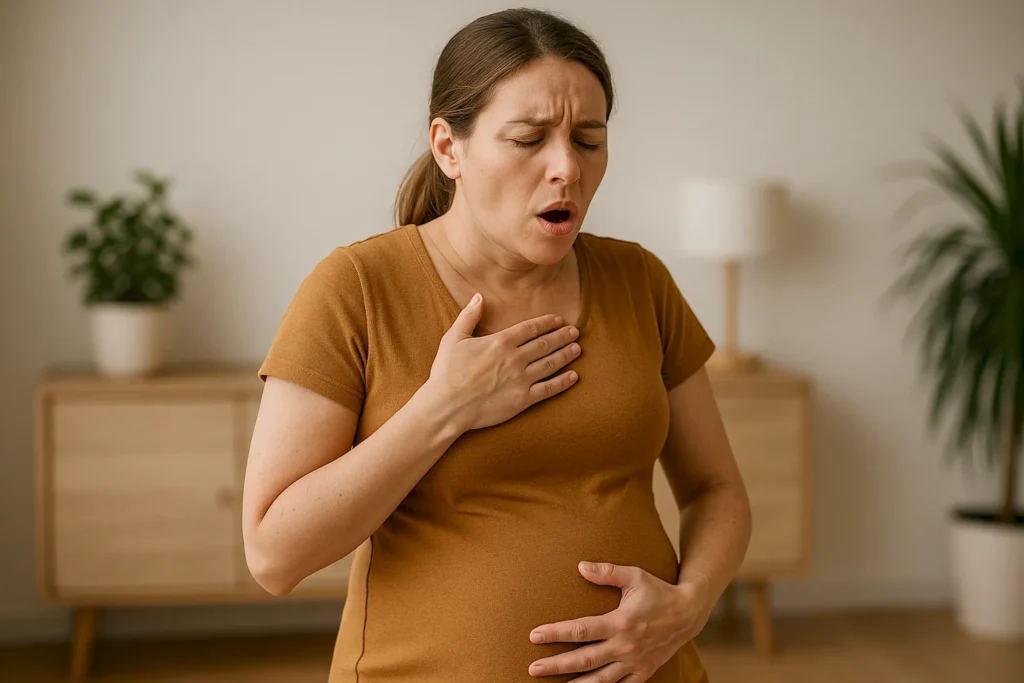
Shortness of breath pregnancy is a common concern for many expectant mothers. Experiencing shortness of breath during pregnancy can often be attributed to hormonal changes and the increased physical demands on the body. While some breathlessness is normal—especially in the later trimesters when the growing baby puts pressure on the lungs—it is important to recognize when this symptom might indicate a need for medical attention. This article explores the causes of shortness of breath pregnancy, how it may vary across each trimester, the possibility of it signaling twins, and natural ways to manage the condition. Staying informed and consulting healthcare providers when necessary can help expectant mothers feel more at ease and support both their own health and that of their baby.
What Causes Shortness of Breath During Pregnancy?
Shortness of breath during pregnancy is a common complaint among many expectant mothers. As the body goes through significant physiological changes, it is not unusual for women to experience alterations in their breathing patterns. The growing uterus can exert pressure on the diaphragm, leading to a sensation of breathlessness, particularly as pregnancy progresses. Additionally, hormonal changes can increase blood volume and alter lung function, which may contribute to this symptom.
Possible Causes of Shortness of Breath
- Increased blood volume
- Pressure from the growing fetus
- Hormonal changes impacting lung function
- Physical exertion or stress
- Anxiety or panic attacks
- Pre-existing respiratory conditions
- Obesity or excessive weight gain
It’s essential to recognize the symptoms of pregnancy that accompany shortness of breath during pregnancy, such as fatigue, rapid heartbeat, or difficulty performing even minor physical tasks. One potential medical cause to consider is anemia in pregnancy, a condition where a lack of healthy red blood cells reduces oxygen delivery to tissues, leading to breathlessness. Understanding these contributing factors can provide valuable context and help you navigate this experience of shortness of breath pregnancy. While some causes may be benign and related to normal pregnancy progression, it’s vital for women to monitor their symptoms and discuss any concerns with their healthcare provider to rule out potential complications.
Feeling short of breath can be alarming. However, most cases are manageable with proper guidance and awareness of your body’s changes during pregnancy.
As your pregnancy advances, paying attention to your body’s signals becomes increasingly important. Not every instance of shortness of breath indicates a serious issue, but staying informed can help you differentiate between typical pregnancy experiences and signs that may require medical attention. This proactive approach will ensure a healthier experience for both you and your baby.
Is Shortness of Breath a Normal Symptom in Pregnancy?
Experiencing shortness of breath during pregnancy can be concerning for many expectant mothers. It is important to understand that this symptom is often a normal part of the changes that occur in the body as the pregnancy progresses. As the fetus grows, it can put pressure on the diaphragm and lungs, making it feel more challenging to breathe deeply. This sensation typically increases during the third trimester when the baby is larger and space is more limited. However, each woman’s body reacts differently to pregnancy, and some may not experience this symptom as intensely as others.
Common Symptoms of Pregnancy
- Nausea and vomiting
- Fatigue
- Frequent urination
- Food cravings and aversions
- Shortness of breath
- Mood swings
- Breast tenderness
While shortness of breath during pregnancy can seem alarming, it is crucial to monitor it and identify any contributing factors. Emotional stress, physical exertion, and even changes in posture can exacerbate the feeling. If the shortness of breath is accompanied by symptoms such as chest pain or dizziness, it is advisable to seek immediate medical attention. Always prioritize open communication with healthcare providers to ensure both mother and baby remain healthy throughout the pregnancy.
When to Worry About Shortness of Breath During Pregnancy
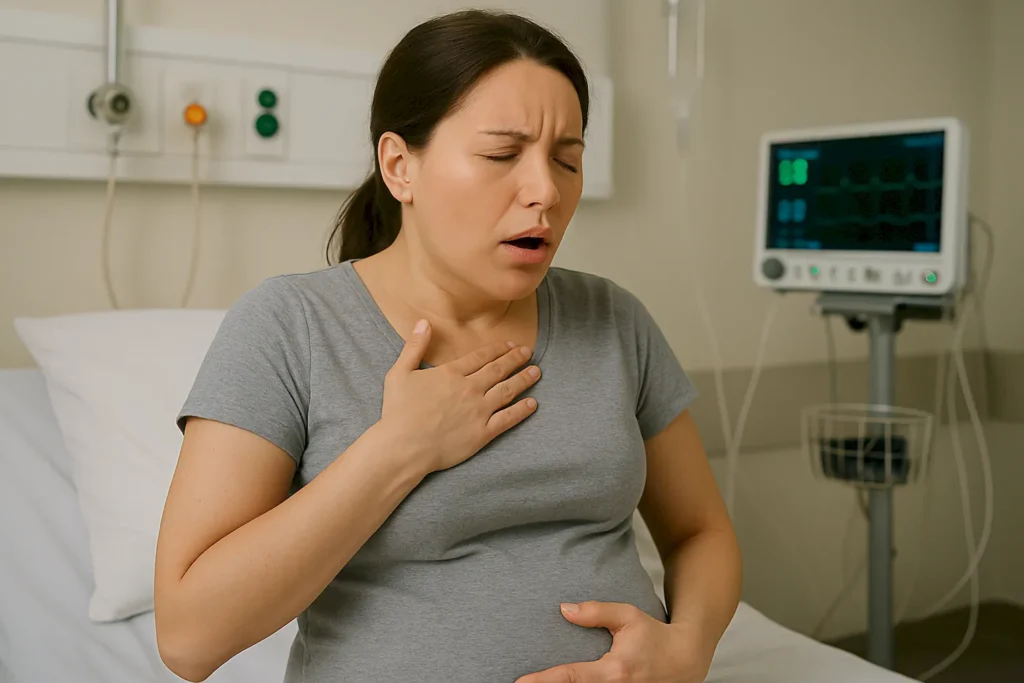
While shortness of breath during pregnancy is a common experience for many pregnant women, it’s important to recognize when it becomes a concern. Shortness of breath pregnancy can sometimes signify underlying health issues that require immediate attention. As such, understanding the limits of what is considered normal and identifying warning signs are essential for both the health of the mother and the developing baby.
During pregnancy, the body undergoes numerous changes that can lead to an increased demand for oxygen. However, if you are experiencing significant shortness of breath during pregnancy alongside other symptoms, it may not just be a routine part of your pregnancy. Keep an eye out for any accompanying signs that could indicate a more serious condition, such as a rapid heartbeat, chest pain, or swelling in the legs. If you find yourself worrying about these concerns about pregnancy, it’s best to consult your healthcare provider promptly.
Steps to Take When Experiencing Shortness of Breath
- Stay Calm: Deep breaths can help, so find a comfortable position and take slow, deep breaths.
- Assess the Symptoms: Note if other symptoms accompany the shortness of breath, such as dizziness or chest pain.
- Take Breaks: If you are engaging in physical activity, pause and rest to see if your breathing improves.
- Hydrate: Drink water to ensure that you’re well-hydrated, as dehydration can sometimes worsen breathing issues.
- Change Positions: Try sitting up straight or lying on your side to help alleviate pressure on the lungs.
- Seek Fresh Air: Move to a well-ventilated area or step outside for fresh air, if possible.
- Contact Your Doctor: If shortness of breath persists or worsens, call your healthcare provider for advice.
Recognizing when to worry about shortness of breath during pregnancy can empower you to take appropriate action. It is crucial to listen to your body and not dismiss persistent symptoms as just another facet of being pregnant. Always err on the side of caution and consult your healthcare professional if you feel unsure or frightened about your breathing difficulties. Being proactive about your health can aid in ensuring a safer pregnancy for both you and your baby.
Shortness of Breath in Early Pregnancy: What to Expect in the First Trimester
Experiencing shortness of breath during pregnancy is a common concern, especially in the early stages. As your body adjusts to the new life it is nurturing, various physiological changes occur that can lead to feelings of breathlessness. Understanding these changes can help you manage your symptoms effectively and ease any concerns you may have during this exciting time. It’s important to recognize that while some level of shortness of breath can be normal, knowing when to consult a healthcare professional is crucial.
Signs to Look For during the First Trimester
- Increased heart rate
- Lightheadedness or dizziness
- Fatigue or tiredness
- Difficulty breathing during physical activity
- Persistent coughing or wheezing
- Chest tightness
During the first trimester, your body undergoes significant changes such as hormonal fluctuations and increased blood volume, which can contribute to shortness of breath pregnancy symptoms. The growing uterus may start to exert pressure on the diaphragm, impacting your ability to take deep breaths. Additionally, the body is working hard to supply oxygen to both you and your developing fetus, which may heighten feelings of breathlessness, particularly during exertion.
Physical Changes in Early Pregnancy
As you progress through your first trimester, it’s essential to pay attention to how your body is reacting. Physical changes such as rapid weight gain and shifts in your center of gravity can also impact your airflow. Engage in gentle activities like walking or prenatal yoga to promote better breathing and increased lung capacity. While it’s natural to feel more breathless than usual, shortness of breath pregnancy should not significantly interfere with your daily activities. Always listen to your body and take breaks when needed to ensure both you and your baby remain healthy and comfortable.
Second Trimester and Shortness of Breath: Is It Common?
During the second trimester, many pregnant individuals begin to experience various changes in their bodies, and one common phenomenon is shortness of breath during pregnancy. This can be attributed to several factors, including hormonal shifts and the physical changes that occur as the baby grows. Additionally, some expectant mothers may also experience other common symptoms such as heartburn during pregnancy, which often occurs alongside breathlessness due to hormonal changes and pressure on the digestive system. As the uterus expands, it may exert pressure on the diaphragm, making it more challenging to breathe deeply. While this symptom can be unsettling, it is generally considered normal and can vary in intensity.
In this stage of pregnancy, you might wonder if shortness of breath is a typical second trimester symptom. The body begins to accommodate the growing fetus, which influences your respiratory system. Increased blood volume and a heightened metabolic rate also play a role in your breathing changes. While most women experience only mild discomfort, it’s essential to monitor the situation and remain aware of any significant changes in your breathing pattern.
Common Causes of Shortness of Breath in the Second Trimester
| Cause | Description | Management Strategies |
|---|---|---|
| Hormonal Changes | Increased levels of progesterone affect your respiratory system. | Practice deep breathing exercises. |
| Physical Pressure | The enlarging uterus puts pressure on the diaphragm. | Maintain good posture while sitting and standing. |
| Increased Blood Volume | Higher blood volume requires more oxygen delivery. | Stay hydrated and avoid unnecessary exertion. |
| Anxiety | Emotional fluctuations can lead to feelings of breathlessness. | Practice relaxation techniques, such as meditation. |
While experiencing shortness of breath during pregnancy can be unsettling, there are effective strategies you can implement to alleviate discomfort. Staying active through gentle exercises, such as walking and prenatal yoga, can enhance lung capacity and improve overall well-being. Regular check-ups with a healthcare provider can also help you monitor your symptoms and ensure that both you and your baby are healthy.
Comparison of Symptoms in Different Trimesters
- First Trimester: Mild fatigue and occasional breathlessness.
- Second Trimester: Noticeable shortness of breath during exertion.
- Third Trimester: Significant pressure on the diaphragm causing more pronounced breathlessness.
- First Trimester: Rapid heart rate due to hormonal changes.
- Second Trimester: Increased oxygen demand leads to deeper breaths.
- Third Trimester: Shortness of breath may worsen with physical activity.
- All Trimesters: Anxiety can exacerbate feelings of breathlessness.
Feeling short of breath can be distressing, but understanding that it is often a typical occurrence in the second trimester may provide reassurance. It is vital to listen to your body and take note of any unusual changes in your respiratory health. If shortness of breath escalates or is accompanied by other concerning symptoms, timely consultation with your healthcare provider is crucial for your and your baby’s safety.
Shortness of Breath in the Third Trimester: Pressure from the Baby
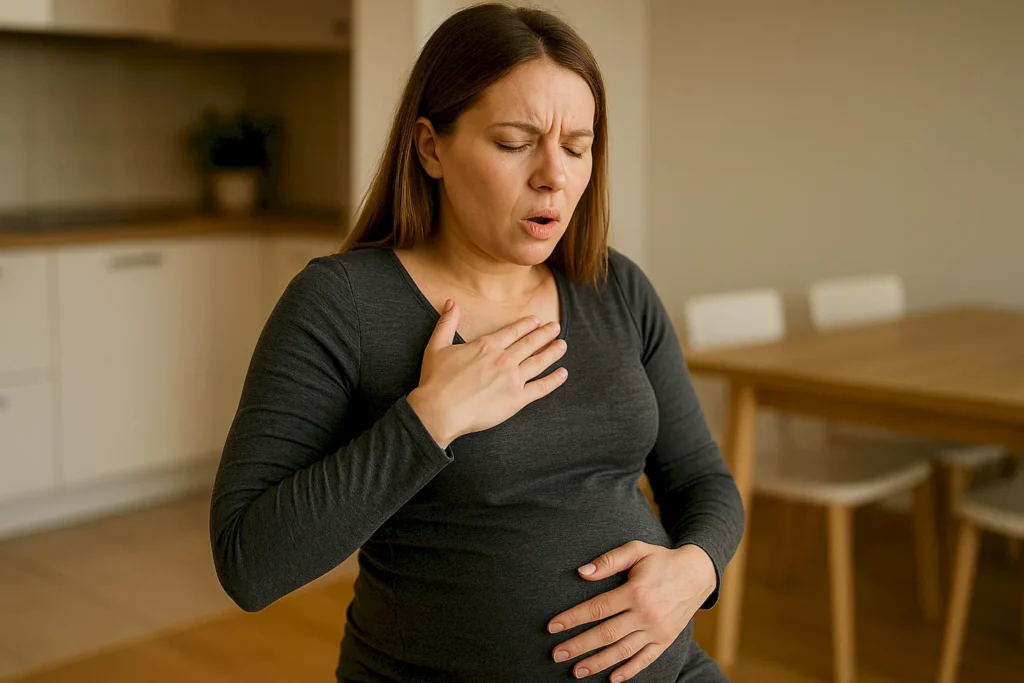
As the pregnancy progresses into the third trimester, many expectant mothers experience shortness of breath during pregnancy, a phenomenon often attributed to the growing size of the baby. By this stage, the uterus expands significantly, which can push against the diaphragm, leading to restricted lung capacity and shortness of breath pregnancy symptoms. This sensation can be uncomfortable and might raise concerns about underlying health issues, but it is typically a normal part of the body’s adaptation to accommodate the developing fetus.
Managing Breath Shortness in the Third Trimester
- Practice deep breathing exercises to strengthen diaphragm function.
- Maintain a proper posture while sitting or standing to alleviate pressure on the lungs.
- Avoid heavy meals that can exacerbate shortness of breath.
- Stay hydrated to help with overall bodily function.
- Engage in light physical activities, such as walking, as advised by your healthcare provider.
- Use pillows to support your back when sleeping, which may improve breathing comfort.
- Prioritize relaxation techniques like prenatal yoga or meditation.
Shortness of breath during the third trimester pregnancy is generally considered a normal experience. However, it’s essential to monitor the severity and frequency of this symptom. If the shortness of breath escalates or is accompanied by other symptoms such as chest pain or swelling, it may indicate a more serious issue that requires medical attention. Listening to your body and consulting with a healthcare professional will ensure both mother and baby remain healthy during this critical period.
Is Shortness of Breath a Sign of Pregnancy?
Shortness of breath during pregnancy can be concerning, leading many to wonder if it could signify an upcoming change in their lives. While some level of shortness of breath can be a normal experience due to physiological changes in a pregnant body, it is important to understand if it is indeed linked to pregnancy or if other factors are at play. The symptoms of pregnancy can vary widely, and it’s essential for expectant mothers to monitor their bodies closely during this transformative time.
Signs That May Indicate Pregnancy
- Missed period
- Frequent urination
- Nausea and vomiting
- Breast tenderness and swelling
- Increased sense of smell
- Fatigue
- Shortness of breath
As you navigate potential signs of pregnancy, understanding the overall context is crucial. If shortness of breath is accompanied by other symptoms of pregnancy, it may strengthen the likelihood of it being related to your condition. Nonetheless, it’s always wise to consult with a healthcare professional to rule out any serious conditions that may require attention, ensuring both your health and that of your baby are prioritized.
Could Shortness of Breath in Early Pregnancy Mean Twins?
Shortness of breath during pregnancy is a common experience, especially as the body undergoes numerous changes to accommodate the growing baby. However, when a pregnant person experiences this symptom early in pregnancy, it can lead to concerns about the possibility of twins. Twin pregnancy can cause a variety of different symptoms, including increased fatigue and shortness of breath, due to the elevated demands on the body. Understanding whether shortness of breath could be indicative of a twin pregnancy is essential for managing any related anxiety.
Factors Indicating a Twin Pregnancy
- Higher than average levels of pregnancy hormones
- Significantly increased weight gain in the first trimester
- Early onset of morning sickness and fatigue
- Family history of twins or multiple births
- Presence of elevated levels of hCG (human chorionic gonadotropin)
- Larger-than-normal abdominal size in the initial months
- Ultrasound showing two distinct gestational sacs
It’s important to note that while these factors may increase the likelihood of a twin pregnancy, shortness of breath during pregnancy can also occur for other reasons, such as physiological changes or other underlying conditions. As the pregnancy progresses, the body’s need for oxygen increases; this can lead to more pronounced symptoms. Early detection of a twin pregnancy may lead to better management of these symptoms, especially regarding the necessary lifestyle adjustments and prenatal care needed throughout the journey.
If you suspect that shortness of breath during pregnancy might indicate a twin pregnancy, it’s always advisable to consult with a healthcare professional. They can perform the necessary tests and provide a clearer picture of what is happening. Ultimately, recognizing the signs early allows for timely interventions and ensures that both mother and babies remain healthy throughout the pregnancy.
How to Manage Shortness of Breath During Pregnancy Naturally
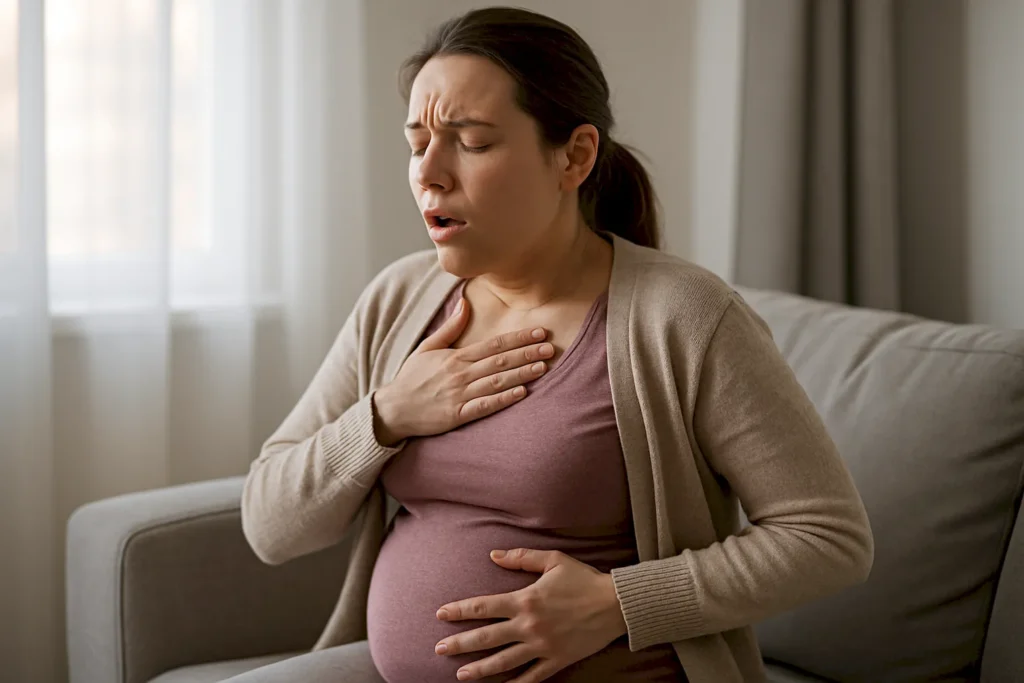
Shortness of breath during pregnancy is a common concern that many expectant mothers experience. It is essential to understand that while this symptom can be unsettling, it is often linked to the physiological changes occurring in your body as it adapts to growing a baby. Fortunately, there are natural remedies for pregnancy that can help alleviate this discomfort, promoting better breathing and overall well-being.
Incorporating simple lifestyle adjustments can significantly improve respiratory function. Practicing relaxation techniques such as deep breathing or prenatal yoga can enhance lung capacity and efficiency. Staying hydrated is also crucial as it helps thin mucus and keeps the airways clear. Additionally, maintaining good posture allows for optimal lung expansion and can alleviate some pressure on the diaphragm, improving airflow—an especially helpful strategy for managing shortness of breath during pregnancy.
Natural Remedies for Shortness of Breath
- Deep Breathing Exercises: Incorporating daily deep breathing can reduce feelings of shortness of breath.
- Frequent Position Changes: Shifting your sitting or lying position can help relieve pressure on your lungs.
- Staying Hydrated: Drinking enough water aids in keeping the respiratory system functioning efficiently.
- Gentle Physical Activity: Engaging in light exercises like walking can improve respiratory health.
- Using a Humidifier: This can help maintain moisture in the air, making breathing easier.
- Mindfulness and Relaxation: Techniques such as meditation can reduce anxiety, lessening the sensation of breathlessness.
It’s essential to listen to your body and recognize when you may need to slow down, especially if you experience shortness of breath during pregnancy. Make sure to rest often and take breaks if you feel overwhelmed. Furthermore, relying on natural remedies for pregnancy is a safe approach that many mothers find effective. Engaging in discussions with healthcare providers can also ensure that the strategies adopted are suitable for your unique circumstances, thus providing peace of mind.
Additionally, paying attention to your environment can have a positive impact. Avoiding allergens and keeping your living space well-ventilated can create a more comfortable atmosphere. Remember that every pregnancy is unique, so be patient with yourself and give your body the time it needs to adjust. If shortness of breath pregnancy persists or worsens, it’s always wise to consult with your healthcare provider to rule out any underlying conditions.
When to Call Your Doctor About Shortness of Breath in Pregnancy
It’s essential to understand that while shortness of breath during pregnancy can be common due to various physiological changes, there are critical moments when you should seek doctor advice pregnancy. If you experience shortness of breath that feels severe or sudden, it is imperative to consult your healthcare provider, as this could indicate a more serious condition. Be observant of additional symptoms that might accompany your breathing difficulties, as these can guide your doctor in determining the best course of action.
Key Signs to Notify Your Doctor
- Severe difficulty breathing or inability to catch your breath
- Chest pain or tightness
- Rapid heart rate
- Wheezing or persistent coughing
- Lightheadedness or dizziness
- Swelling of the feet, ankles, or legs
- Fever or chills
Always prioritize your health and communicate openly with your doctor if you notice any concerning symptoms. Remember that your healthcare team is there to support you during your pregnancy journey, and timely doctor advice pregnancy can ensure the well-being of both you and your baby. If in doubt, it’s always better to err on the side of caution when it comes to your health.


