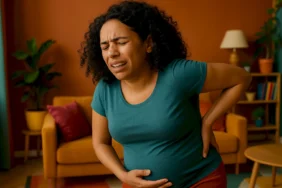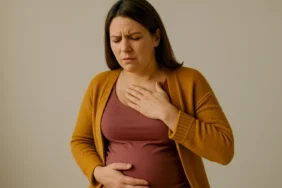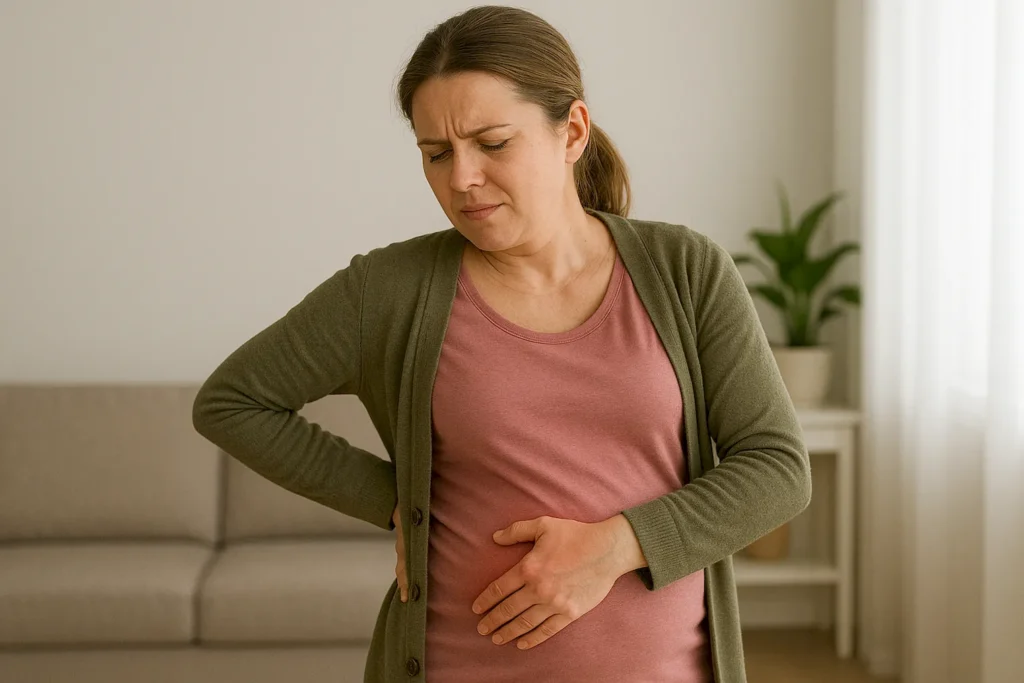
Shingles during pregnancy can raise many questions and concerns for expectant mothers. Understanding what shingles is and how it might affect both maternal and fetal health is essential for early awareness and care. This condition, caused by the reactivation of the varicella-zoster virus, may present with symptoms like a painful rash, fatigue, or fever, which can be especially worrying during pregnancy.
While shingles is relatively rare in pregnant individuals, it’s important to know how it spreads, whether it poses a risk to the baby, and what steps to take if exposure occurs. Safe treatment options are available, and recognizing symptoms early can help prevent complications. Prevention strategies, such as avoiding known triggers and maintaining immune health, are also valuable during this time. Informed decision-making and communication with a healthcare provider are key when managing shingles and pregnancy, helping to ensure the best possible outcome for both mother and baby.
What Is Shingles and How Does It Affect Pregnancy?
Shingles, medically known as herpes zoster, is a painful rash caused by the reactivation of the varicella-zoster virus, which also causes chickenpox. This condition can lead to significant discomfort and is generally characterized by a band-like rash that appears on one side of the body. For pregnant women, experiencing shingles can raise concerns related to shingles and pregnancy as it can potentially impact both the mother and the developing baby.
Key Effects of Shingles During Pregnancy
- Increased stress levels: The pain and discomfort from shingles can affect a pregnant woman’s mental health, potentially leading to pregnancy anxiety.
- Risk of complications: In severe cases, complications may arise that could impact pregnancy.
- Potential for neonatal varicella: If a mother contracts shingles near the time of delivery, there’s a risk of passing the virus to the baby.
- Pain management issues: Certain medications for pain relief may not be safe during pregnancy.
- Impact on maternal wellbeing: Physical symptoms could hinder a mother’s ability to care for herself and her baby.
- Possible need for medical intervention: Pregnant women may require monitoring or treatment from healthcare providers.
Understanding the implications of shingles pregnancy is crucial, especially for expectant mothers who may face unique challenges. The intersection of shingles and pregnancy can lead to heightened anxiety regarding the health of both the mother and child. Timely medical consultation is recommended to assess risks and formulate an appropriate care plan.
“While shingles can cause discomfort, most pregnant women will not experience severe complications. However, it is essential to seek advice from healthcare professionals.”
Finally, awareness and prevention strategies should be discussed with a healthcare provider to mitigate the risks associated with shingles during pregnancy. Given that the overall health of both mother and baby is paramount, proactive measures can lead to favorable outcomes. Shingles may pose challenges, but with the right information and care, the effects on pregnancy can be managed effectively.
Is Shingles During Pregnancy Dangerous for You or Your Baby?
Shingles during pregnancy can raise concerns for many expectant mothers. This viral infection, caused by the varicella-zoster virus, can lead to complications, especially for those with weakened immune systems. When considering the implications of shingles during pregnancy, it is crucial to understand how this condition may impact both the mother and the developing fetus.
The most critical factor to consider is whether the mother has experienced chickenpox in the past. If a woman has had chickenpox, she is at risk of developing shingles. Fortunately, if the mother has immunity to chickenpox, the risk of complications during pregnancy is significantly reduced. However, if contracted for the first time during pregnancy, the mother may face various health challenges.
| Aspect | Impact on Mother | Impact on Baby |
|---|---|---|
| Symptoms Severity | Moderate to Severe Pain | Potential Stress Induced |
| Risks of Complications | Possible Hospitalization | Increased Risk for Preterm Birth |
| Transmission | No Transmission Risk | Can Develop Chickenpox if Exposed |
In addition to the immediate health concerns, understanding the potential long-term effects is important. Pregnant women with shingles may experience ongoing pain—commonly known as postherpetic neuralgia—after the rash resolves. This condition can complicate recovery and affect overall well-being during a crucial period of life. It’s paramount for pregnant women experiencing shingles to discuss their symptoms with healthcare providers.
Factors to Consider
- Your Immunization History: Have you received the chickenpox vaccine?
- Timing of Infection: Are you in the first or second trimester?
- Immune Status: Do you have any pre-existing health conditions?
- Presence of Symptoms: Are you experiencing severe pain or rash?
- Healthcare Access: Do you have a supportive healthcare team?
- Potential for Complications: Are you aware of the complications associated with shingles?
- Advice from Health Professional: Have you consulted with your doctor about treatment options?
Ultimately, while shingles during pregnancy can pose risks, understanding these factors and maintaining open communication with healthcare providers can help manage and mitigate the dangers. It’s vital for pregnant women to stay informed and proactive about their health during this important time.
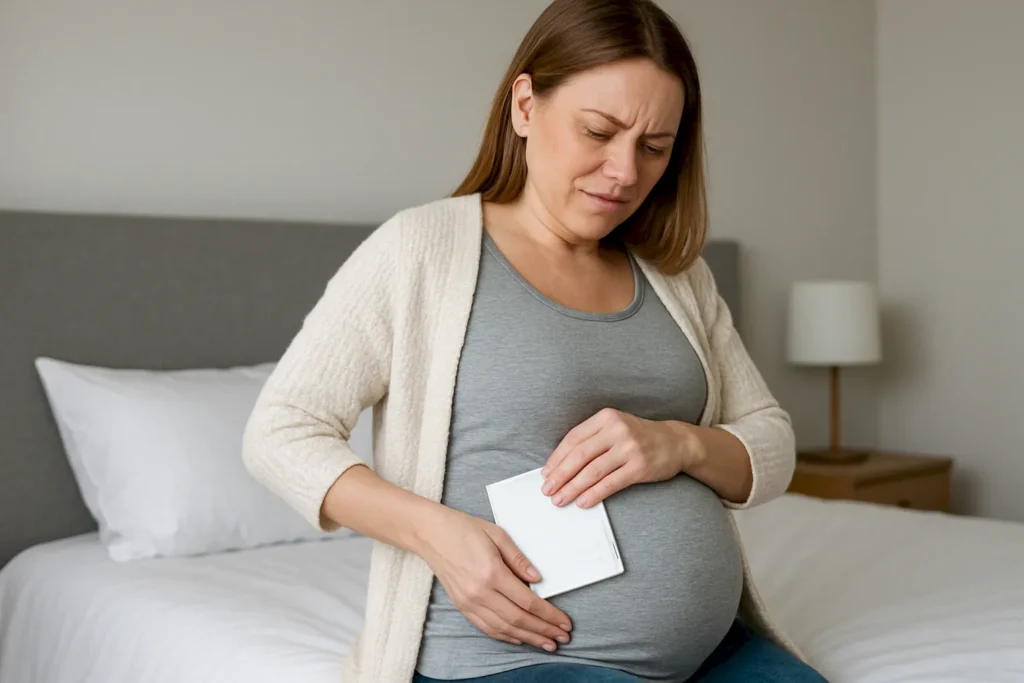
Common Symptoms of Shingles in Pregnant Women
Shingles during pregnancy can present a unique set of symptoms that may cause concern for expectant mothers. It is crucial to recognize these symptoms early in order to seek appropriate care and prevent complications. The herpes zoster virus, which causes shingles, can lead to discomfort and other issues for pregnant women; therefore, understanding the signs is essential.
Symptoms to Watch For
- Red, blistering rash, typically localized to one side of the body
- Severe itching or burning sensation in the affected area
- Pain that can range from mild to severe, often described as sharp or stabbing
- Flu-like symptoms such as fever, fatigue, and headache
- Increased sensitivity to touch in the area surrounding the rash
- Difficulty sleeping due to pain or discomfort
Understanding these symptoms can empower pregnant women to be vigilant about any changes in their health. If you experience any of these signs while pregnant, it is important to consult your healthcare provider. Taking prompt action can help mitigate the impact of shingles during pregnancy and safeguard both mother and baby.
How Can You Catch Shingles During Pregnancy?
Understanding how shingles can be contracted during pregnancy is crucial for expectant mothers. Shingles, caused by the varicella-zoster virus, can arise when the virus reactivates in individuals who have previously had chickenpox. As a pregnant woman, being aware of your environment and potential exposure is essential. Because shingles is not directly contagious, it is important to differentiate between the risk factors and the actual transmission routes associated with this condition.
Routes of Transmission
- The most common route is through direct contact with shingles rash fluid.
- Sharing personal items such as towels or clothing used by someone with active shingles.
- Being in close proximity to an individual with shingles during the active phase when the rash is present.
- Touching surfaces contaminated with the virus, though this is less common.
- Contact with someone who has chickenpox can be risky, as they are carriers of the virus.
- Weakened immune systems may increase susceptibility to exposure.
- High-stress environments may trigger reactivation in those who already had chickenpox.
Pregnant women should take particular care to avoid exposure to anyone who has shingles or chickenpox. This is especially important during the first and second trimesters, as the implications for both mother and baby can be serious. If exposed, it is critical to seek early medical advice to discuss the potential risks and the necessary steps to monitor for any symptoms. Remember, timely intervention can significantly reduce the risk of complications.
Moreover, understanding your own vaccination history is vital. If you have had chickenpox before, you already carry the varicella-zoster virus in your body; it can stay dormant and reactivate as shingles. For those who have not had chickenpox or the vaccine, exposure can pose greater risks during pregnancy. The best defense against shingles during pregnancy is knowledge and proactive health measures. Being informed and prepared can help ensure a healthier pregnancy and safeguard your baby’s well-being.
Can Shingles Be Passed to the Baby During Pregnancy?
When a pregnant woman contracts shingles, many may wonder about the potential impact on their unborn child. Shingles, caused by the reactivation of the varicella-zoster virus, typically does not pose a direct risk to the fetus. However, it is essential to recognize the circumstances under which complications can arise. The most significant concern arises if a woman contracts chickenpox during pregnancy, potentially leading to more serious outcomes.
| Condition | Risk Level | Impact on Baby |
|---|---|---|
| Shingles | Low | Rarely affects |
| Chickenpox during pregnancy | High | Possible congenital conditions |
| Postnatal infection | Moderate | Increases risk of infection |
| Mother’s immune response | Variable | May affect baby indirectly |
While shingles itself cannot be transmitted to the baby, the risk arises from the potential for a pregnant woman to develop chickenpox if she has never been infected or vaccinated. If this occurs, the implications can range from mild to severe for the baby. Therefore, it’s crucial for expecting mothers to discuss their vaccination status and any exposures to varicella-zoster virus with their healthcare provider.
Potential Risks
- Increased chance of congenital varicella syndrome if mother contracts chickenpox
- Possible premature birth if severe illness develops
- Higher likelihood of the baby contracting varicella if exposed
- Risk of low birth weight if complications arise
- Potential for neonatal complications if shingles develops around delivery
- Increased stress on the mother, which can affect pregnancy outcome
In summary, while shingles during pregnancy primarily poses low risks to the baby, pregnant women should remain vigilant about exposures to chickenpox. Understanding the distinction between shingles and chickenpox can help in taking preventive measures and ensuring a healthy pregnancy. Pregnant women should seek prompt medical advice if they suspect they have shingles or if they have been in contact with someone who has an active infection.
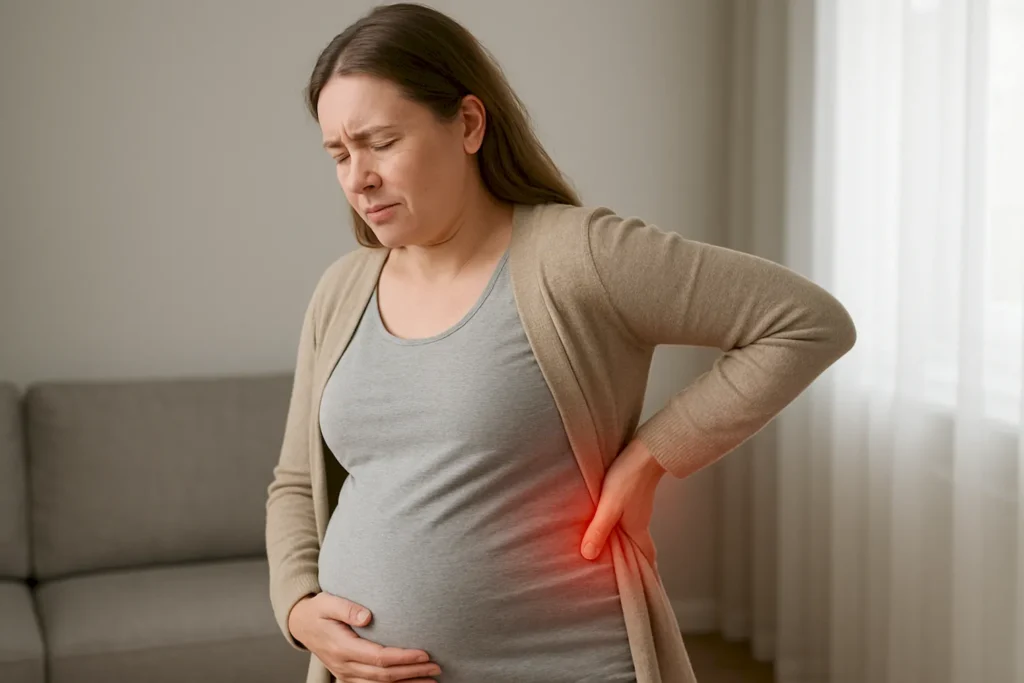
What to Do If You’re Exposed to Shingles While Pregnant
If you’ve been exposed to shingles during pregnancy, it is crucial to take immediate action. Shingles, caused by the varicella-zoster virus, can pose risks for both you and your unborn child. The first step is to assess your exposure. Have you been in contact with someone who has an active shingles rash or with someone who has recently had chickenpox? Understanding the nature of your exposure will help determine the necessary steps you should take.
Steps to Take Immediately
- Contact your healthcare provider to discuss your exposure and any symptoms.
- If you have not had chickenpox or the varicella vaccine, inform your doctor immediately.
- Keep an eye out for any symptoms of shingles, such as rash or pain.
- Limit contact with other pregnant women, newborns, and immunocompromised individuals.
- Maintain good hygiene practices, such as frequent hand washing.
- Document any symptoms or changes in your health and communicate them to your provider.
- Follow your healthcare provider’s instructions regarding monitoring and potential treatments.
Being proactive is essential in safeguarding your health and that of your baby. As always, do not ignore any signs of illness. If you notice symptoms associated with shingles, seeking medical attention promptly is vital. Early intervention can help manage the situation effectively, reducing the risk of complications during your pregnancy.
Safe Treatment Options for Shingles During Pregnancy
When dealing with shingles during pregnancy, it’s crucial to select treatment options that are both effective and safe for you and your developing baby. The high level of discomfort that shingles can cause, combined with the unique considerations of pregnancy, necessitates a careful approach to treatment. While some medications and remedies can alleviate symptoms, it is essential to consult with your healthcare provider to determine the best course of action tailored to your specific situation.
Before exploring various treatment options, it’s important to recognize that pregnant women may have different responses to various therapies. For instance, antiviral medications might be recommended to help reduce the duration and severity of an outbreak. Besides pharmaceutical interventions, some natural remedies may offer relief and are considered safer for pregnant women.
| Treatment Type | Effectiveness | Safety Level |
|---|---|---|
| Antiviral Medications | High | Generally Safe |
| Topical Creams | Moderate | Safe |
| Natural Remedies | Variable | Usually Safe |
| Over-the-Counter Pain Relief | Moderate | Consult Doctor |
For pregnant women, discussing available treatments with a healthcare provider is essential. They can help ensure that any treatment chosen aligns with your unique health needs and pregnancy stage. Here are some approved treatment methods to consider while managing shingles during pregnancy:
Approved Treatment Methods
- Antiviral medications, such as acyclovir.
- Over-the-counter topical creams to soothe rashes.
- Cool compresses to alleviate pain and itching.
- Proper hydration to support the immune system.
- Rest and stress management techniques like yoga or meditation.
- Consultation with a healthcare provider for personalized recommendations.
Natural remedies can also play a role in the treatment of shingles during pregnancy. These remedies may not only help cope with physical discomfort but can also provide emotional support during a challenging time. Some women find relief through homeopathic solutions or herbal supplements, but it is crucial to discuss these options with a healthcare provider prior to use.
Natural Remedies
Natural remedies can include soothing lotions, oatmeal baths, or essential oils that do not pose a risk to pregnancy. Always ensure these methods are used in moderation and under guidance from a healthcare professional. Natural approaches should complement prescribed treatments and not replace them without professional advice. Combining safe treatment modalities can maximize comfort and help ensure a smooth recovery while safeguarding your pregnancy.

How to Protect Yourself from Shingles While Pregnant
When it comes to shingles during pregnancy, understanding how to protect yourself is crucial. Shingles, caused by the reactivation of the varicella-zoster virus, can pose risks, particularly if a pregnant woman has never had chickenpox or has not been vaccinated. As your immune system undergoes significant changes during pregnancy, being proactive is essential to minimize your risk of exposure.
Preventative Measures
- Ensure you have had chickenpox or the varicella vaccine.
- Avoid close contact with individuals showing shingles symptoms.
- Practice good hygiene, including regular handwashing.
- Limit exposure to environments where you might encounter someone with shingles.
- Boost your immune system through a balanced diet and adequate sleep.
- Discuss vaccination with your healthcare provider, if appropriate.
- Monitor your health closely and report any symptoms to your doctor.
It’s important to prioritize these measures, as they can significantly lower your chances of contracting the virus. Staying informed about shingles during pregnancy not only helps you but also contributes to the overall health of your baby. Engaging in discussions with your healthcare provider will allow you to make the best choices for your circumstances.
Utilizing these preventative strategies will empower you to take control of your health during this vulnerable time. Remember, it’s vital to pay attention to any potential symptoms, as early reporting can lead to better management of your health and wellness. Should you have any concerns or questions about shingles during pregnancy, don’t hesitate to seek advice from your medical professional.
When to Call Your Doctor About Shingles in Pregnancy
If you suspect that you have shingles during pregnancy, it is crucial to stay vigilant and monitor your symptoms closely. While shingles is typically not as severe in pregnant women compared to other populations, there are specific circumstances that warrant immediate medical attention. One should never overlook the potential risks associated with shingles, as timely intervention can significantly influence your and your baby’s health outcomes. Always err on the side of caution and consult with your healthcare provider if you’re facing uncertainties about your symptoms or treatment options.
Signs to Seek Medical Attention
- Severe Pain: Intense pain that does not improve with standard pain relief methods.
- Widespread Rash: A rash that spreads rapidly or covers large areas of your body.
- Signs of Infection: Redness, swelling, or warmth around the rash indicating possible infection.
- Fever: A high fever that persists along with other symptoms.
- Difficulty Breathing: Any respiratory distress or difficulty in breathing.
- Neurological Symptoms: Symptoms such as confusion, seizures, or unusual drowsiness.
- Signs of Complications: Such as vision problems or severe headaches.
In any case, if you experience any of the above symptoms, it’s essential to contact your doctor promptly. Early diagnosis and appropriate management can prevent complications and ensure a better outcome for both you and your baby. Remember, your health is a priority during this critical time, so don’t hesitate to reach out for professional guidance when needed.