Sertraline pregnancy is a common concern for expectant mothers who rely on this antidepressant to manage their mental health. Understanding how sertraline works during pregnancy and its possible effects on both mother and baby is essential for making informed decisions. This selective serotonin reuptake inhibitor (SSRI) is often prescribed to treat conditions such as depression, anxiety, and obsessive-compulsive disorder, but its safety during pregnancy requires careful consideration.
While some studies have pointed to potential risks, the benefits of continuing sertraline for mental health stability may outweigh these concerns for many women. Factors like dosage, timing, and individual health status all play a role in assessing whether sertraline should be continued. For those thinking about stopping the medication, it’s important to explore safe alternatives under medical supervision.
In addition to evaluating potential side effects, healthcare providers often discuss how sertraline may impact fetal development and whether it is compatible with breastfeeding after birth. Personalized care and close monitoring are key to minimizing risks and supporting both maternal and fetal well-being. If you’re weighing the pros and cons of sertraline during pregnancy, speaking openly with your doctor can help ensure the safest path forward for you and your baby.
What Is Sertraline and How Does It Work During Pregnancy?
Sertraline is a selective serotonin reuptake inhibitor (SSRI) primarily used to treat depression, anxiety, and other mood disorders. Understanding the effects of sertraline during pregnancy has become increasingly important, especially as many women experience mood-related issues during this critical time. This medication functions by increasing serotonin levels in the brain, which can help alleviate symptoms of anxiety and depression. However, it’s essential to consider both the benefits and potential risks associated with sertraline and pregnancy.
The decision to use sertraline during pregnancy should be carefully evaluated by healthcare providers. Factors such as the mother’s mental health history, the severity of anxiety or depression, and potential risks to the fetus are significant in this assessment. As such, many women and their doctors often weigh these factors together before making treatment decisions. It is crucial to monitor mood stability, as fluctuations can have implications for both mother and child, making this dialogue vital.
Key Mechanisms of Sertraline
- Serotonin Reuptake Inhibition: Sertraline blocks the reabsorption of serotonin, making more of it available in the brain.
- Enhanced Mood Regulation: This leads to improved mood and reduced anxiety symptoms.
- Increased Neurotransmitter Availability: Besides serotonin, sertraline may influence other neurotransmitters that affect emotional well-being.
- Reduced Symptoms of Depression: Many users report a decrease in depressive symptoms over time.
- Improved Sleep Patterns: Some patients experience better sleep, which is crucial for mood stabilization during pregnancy.
- Long-Term Efficacy: Sertraline is often effective for long-term maintenance of mental health.
Understanding how sertraline works is crucial for pregnant women considering this medication. While it plays a vital role in managing mental health, it is essential to remain informed about its effects during pregnancy.
Effects of Sertraline on Mood Disorders
In treating mood disorders, sertraline can be particularly beneficial for pregnant women who may experience heightened emotional challenges. The drug can help alleviate feelings of anxiety and depression, which, if left untreated, may pose risks to the health of both the mother and the baby. It is important to recognize that while the benefits of sertraline during pregnancy can be substantial, they must be carefully balanced with potential risks. The active dialogue between patient and healthcare provider can make a significant difference in managing these conditions safely.

Is Sertraline Safe to Use During Pregnancy?
When considering sertraline and pregnancy, it is crucial to assess the medication’s safety for both the mother and the developing fetus. Sertraline, a selective serotonin reuptake inhibitor (SSRI), is commonly prescribed for depression and anxiety disorders. However, its effects during pregnancy can raise valid concerns about potential risks and benefits. Pregnant individuals must carefully weigh these factors in consultation with their healthcare providers.
Considerations for Safety
- Determine the necessity of sertraline based on mental health needs.
- Discuss dosage adjustments with a healthcare provider.
- Evaluate the timeline of pregnancy to assess any developmental implications.
- Consider alternatives if sertraline poses significant risks.
- Monitor for any side effects during treatment.
- Engage in regular check-ups for both mother and baby.
- Seek support from mental health professionals familiar with pregnancy.
Research indicates that while some studies suggest a potential for risks associated with sertraline use during pregnancy, others emphasize the importance of controlling maternal mental health conditions. It’s essential for women to recognize that untreated mental health issues can also pose risks to both the mother and the child, possibly outweighing the potential risks of medication. Hence, a thorough discussion with a qualified healthcare professional is imperative to ensure a safe approach.
The decision to continue or discontinue sertraline during pregnancy must be personalized. Factors such as the severity of the mother’s symptoms, previous treatment responses, and overall health should govern this choice. Overall, understanding the implications of using sertraline and pregnancy-related issues can provide clarity, allowing expectant mothers to make informed decisions under medical guidance.
Sertraline Pregnancy Category: What Does It Mean?
Understanding the sertraline pregnancy category is crucial for expecting mothers who are currently on this medication. Sertraline, a selective serotonin reuptake inhibitor (SSRI), is often prescribed to manage depression and anxiety. During pregnancy, it’s essential to evaluate the potential benefits and risks of continuing sertraline to ensure both the mother’s mental health and the baby’s safety are prioritized. Research suggests that while some risks are associated with using sertraline during pregnancy, many healthcare providers consider it safe, particularly when the benefits outweigh the potential harms.
Medical professionals often categorize medications based on their safety during pregnancy. The most common classifications include A, B, C, D, and X, with Category A being the safest. It’s important to consult your healthcare provider to understand where sertraline falls on this scale and how it might affect your pregnancy. Below is a table outlining the general pregnancy categories along with examples and their implications:
| Pregnancy Category | Examples | Implications |
|---|---|---|
| A | Folic Acid | Generally considered safe. |
| B | Acetaminophen | Thought to pose minimal risk. |
| C | Sertraline | Potential risks; requires careful consideration. |
| D | Valproate | Positive evidence of risk; use only if necessary. |
| X | Isotretinoin | Contraindicated in pregnancy. |
Categories Overview
- Category A: No risk to the fetus in the first trimester.
- Category B: No evidence of risk in humans; studies in animals have not shown risk.
- Category C: Risk cannot be ruled out; use only if benefits justify the risks.
- Category D: Proven risk; benefits may outweigh risks in some cases.
- Category X: Completely contraindicated due to risks.
In summary, knowing the sertraline and pregnancy risks can help you make informed decisions in consultation with your healthcare provider. It’s pivotal to weigh the risks associated with untreated mental health conditions against those linked to sertraline use, ensuring you have a comprehensive understanding of all options available during your pregnancy.
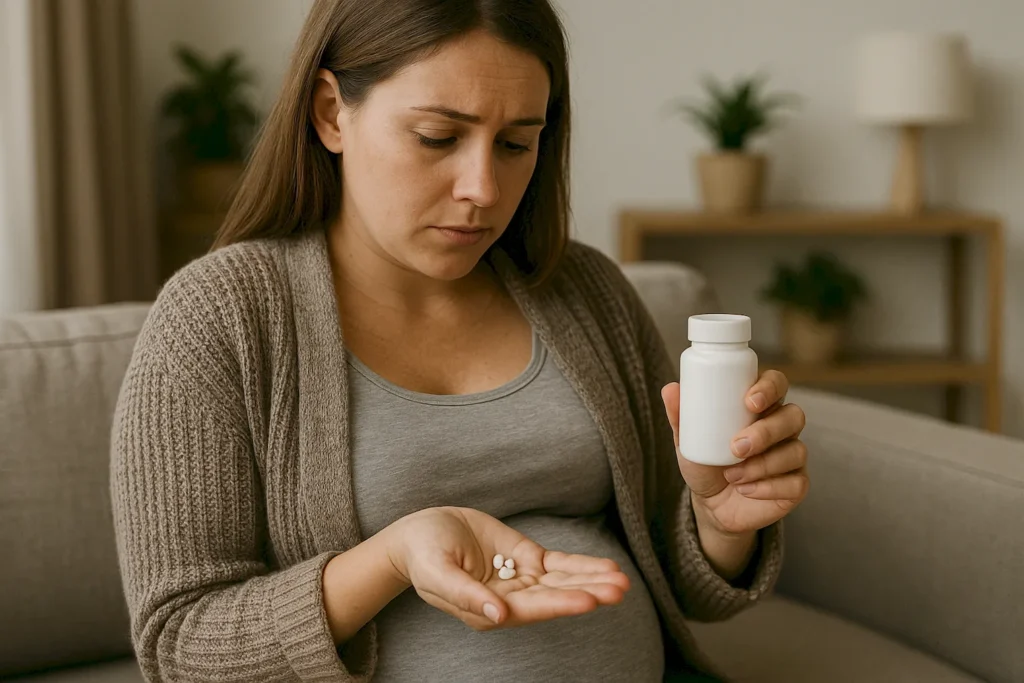
Potential Risks of Taking Sertraline While Pregnant
While sertraline is often prescribed for anxiety and depression, the decision to continue its use during pregnancy comes with important considerations. It’s essential to balance the mental health needs of the mother with the potential risks to the developing fetus. This section discusses the various potential risks associated with sertraline during pregnancy, ensuring that expectant mothers are informed of both the benefits and drawbacks.
One significant concern is that sertraline may affect fetal development. When evaluating sertraline during pregnancy, it’s important to consider the various effects it may have on the fetus. Studies have indicated that there is a possibility of physical complications as well as long-term developmental issues linked to the use of this medication while pregnant. Understanding these risks can help mothers make informed decisions in consultation with their healthcare providers.
Potential Physical Risks of Sertraline during Pregnancy
| Risk Type | Description | Likelihood of Occurrence |
|---|---|---|
| Cardiac Issues | Potential for congenital heart defects | Low to Moderate |
| Premature Birth | Risk of delivering before 37 weeks | Moderate |
| Low Birth Weight | Infants may be born underweight | Moderate |
| Neonatal Withdrawal | Babies may experience withdrawal symptoms | Low |
Risks Associated with Sertraline
- Increased risk of congenital anomalies
- Persistent pulmonary hypertension in newborns
- Potential for neurodevelopmental disorders
- Possible impact on maternal serotonin levels
- Heightened risk of antidepressant discontinuation syndrome
- Increased chance of miscarriage
It is crucial for pregnant women to be aware of the potential long-term developmental effects that can arise from taking sertraline. While the short-term risks are significant, healthcare professionals also need to monitor the child’s development as they grow. Emerging research shows mixed results on possible impacts on cognition, behavior, and emotional health in children exposed to sertraline in utero.
Physical Risks to the Fetus
The physical risks to the fetus due to sertraline use can be serious, warranting close discussion with a healthcare provider. Expecting mothers should weigh the mental health benefits of controlling depression or anxiety against these significant risks, which may include issues like prematurity and low birth weight. Close monitoring during pregnancy can help manage any complications that may arise.
Long-term Developmental Effects
Additionally, understanding the possible long-term developmental effects is vital, as some studies suggest that children exposed to SSRIs, like sertraline, may face challenges in behavior and emotional regulation as they grow older. Therefore, it is critical to follow up with pediatric care providers for comprehensive evaluations and necessary interventions.
Benefits of Continuing Sertraline During Pregnancy
Continuing sertraline during pregnancy can offer significant advantages for expecting mothers dealing with pregnancy anxiety and depression. One of the primary benefits is the stabilization of mood, which is crucial during the emotional and physical changes that occur throughout pregnancy. Maintaining a balanced state of mental health allows women to engage more effectively with their prenatal care and prepare for the challenges of motherhood.
Key Benefits
- Enhanced Emotional Stability: Helps in managing symptoms of depression and anxiety.
- Reduced Risk of Relapse: Continuation can lower the chances of regressing into severe mental health issues.
- Improved Quality of Life: Enhances overall well-being and satisfaction during pregnancy.
- Support for Partner Relationships: A balanced mental state can improve relationships with partners and family.
- Better Prenatal Care Compliance: Mental clarity may lead to more regular prenatal visits and adherence to medical advice.
- Increased Resilience: Aided emotional health can contribute to better coping mechanisms during labor and postpartum.
Moreover, it is essential to understand that the benefits of sertraline and pregnancy often outweigh potential risks, especially when the medication is monitored closely by healthcare professionals. Pregnant women benefiting from sertraline are more likely to feel comfortable voicing their healthcare needs and concerns, which is vital for both maternal and fetal health.
In conclusion, the continuity of sertraline during pregnancy plays a crucial role in preserving the mental health of expectant mothers, which in turn benefits the developing fetus. The potential positive impacts on emotional well-being and maternal-fetal interactions should not be underestimated. Consultation with healthcare providers can provide the necessary guidance for pregnant women considering their options with sertraline.

What to Do If You’re Considering Stopping Sertraline in Pregnancy
Deciding to stop sertraline during pregnancy is a significant choice that requires careful consideration. If you’re currently taking sertraline and are considering discontinuing it, it’s essential to understand how this medication may affect you and your developing baby. Open communication with your healthcare provider can provide clarity and support in navigating this sensitive issue.
Sleep disturbances, such as pregnancy insomnia, are common during this period and can significantly impact your mental health. Stopping sertraline abruptly may worsen these symptoms, making it even more important to carefully plan any medication changes with your doctor.
Steps to Consider
- Consult your healthcare provider to discuss your thoughts on stopping sertraline.
- Evaluate potential risks and benefits of continuing versus stopping the medication.
- Assess your current mental health status and any previous experiences with depression or anxiety.
- Inquire about tapering strategies to reduce the risk of withdrawal symptoms.
- Explore alternative therapies that are safe during pregnancy.
- Ensure you have a strong support system in place during this transition.
- Schedule regular follow-ups with your healthcare team to monitor your health.
It’s important to acknowledge that sertraline and pregnancy can be complex. Many women face similar dilemmas, and understanding each aspect can ease the decision-making process. Consider your personal circumstances, such as the severity of your condition, the risks associated with stopping the medication, and the potential impact on your pregnancy.
Always prioritize open dialogue with your healthcare provider to create the best plan tailored to your individual needs during this pivotal time.
In making a choice about sertraline during pregnancy, having up-to-date information is vital. Review current studies and literature on sertraline’s effects and consult with providers experienced in managing mental health conditions during pregnancy. This knowledge can empower you to make informed decisions while prioritizing both your well-being and the health of your baby.
Alternatives to Sertraline for Pregnant Women
When considering sertraline during pregnancy, many women may seek alternatives due to concerns about potential risks. It’s important to note that decisions regarding mood management should always involve healthcare professionals who specialize in perinatal care. Not all medications carry the same risks, and alternatives can help manage anxiety and depression effectively with minimal effects on fetal development.
| Alternative Treatment | Effectiveness | Considerations |
|---|---|---|
| Cognitive Behavioral Therapy (CBT) | Highly effective for mild to moderate depression | No side effects; requires time commitment |
| Exercise | Can significantly improve mood | Consult a physician before starting an exercise program |
| Mindfulness Meditation | Increases emotional well-being | Practice regularly for best results |
| Omega-3 Fatty Acids | May reduce symptoms of depression | Consult with a healthcare provider for dosage |
In addition to the above therapies, there are various natural remedies and lifestyle changes that pregnant women can consider. It is essential to approach these alternatives with a robust understanding of their benefits and limitations. Here are some effective methods to consider:
Alternative Treatments
- Yoga and Pilates for relaxation and stress relief
- Aromatherapy using essential oils like lavender
- Support groups for shared experiences and resources
- Acupuncture to alleviate symptoms of anxiety
- Nutrition and dietary adjustments to enhance overall well-being
- Homeopathy as a complementary approach
It is also important to remember that if medication is necessary for other health conditions, such as infections, pregnant women should discuss the use of antibiotics during pregnancy with their healthcare providers. This ensures that any prescribed treatments are safe for both mother and baby and do not interfere with mood management strategies.
While these alternatives can be beneficial, it is vital for pregnant women to have open discussions with their healthcare providers about any treatment plans. Each individual may react differently to various treatments, and a healthcare professional can help determine the best course of action based on the specific circumstances surrounding sertraline pregnancy. Always prioritize safety when considering alternatives to ensure both maternal and fetal health.
How Sertraline Affects Your Baby’s Development
Understanding the impact of sertraline and pregnancy is crucial for expectant mothers who may be prescribed this medication. Sertraline, a selective serotonin reuptake inhibitor (SSRI), is commonly used to treat depression and anxiety. While it can be effective for the mother’s mental health, many pregnant women worry about its effects on their baby’s development during gestation.
Research indicates that sertraline can cross the placental barrier, which raises concerns among healthcare providers and patients alike. It is important to weigh the benefits of treating mental health issues with sertraline against the potential risks to the developing fetus. Some studies have suggested that continued use during pregnancy may contribute to a slight increase in various developmental concerns, which is why discussing any medications with a healthcare professional is essential.
Developmental Concerns
- Neonatal withdrawal syndrome
- Increased risk of preterm birth
- Low birth weight
- Potential cardiovascular defects
- Neurological development issues
- Emotional and behavioral challenges
- Long-term developmental delays
The long-term effects of sertraline on children exposed to it in utero are still being studied, and results can vary based on individual circumstances. While the risks may not be significant for every mother and baby, it is important to have candid discussions about the potential outcomes and whether to adjust medication during pregnancy. As such, mothers who need sertraline during pregnancy should work closely with their healthcare providers to monitor their health along with the development of their baby.
Potential Long-term Effects
While the immediate effects of sertraline on pregnancy are vital, understanding the potential long-term implications is equally important. Some infants exposed to sertraline may experience initial withdrawal symptoms after birth, which can lead to further developmental assessments. Additionally, there is ongoing research into how exposure to SSRIs during pregnancy may influence the child’s emotional and cognitive development later in life. Continued studies are essential to truly comprehend the breadth of sertraline’s impact on early and long-term development.
When to Consult Your Doctor About Sertraline Use in Pregnancy
During pregnancy, it’s crucial to take a proactive approach to your health, especially when considering medications like sertraline. If you’re using sertraline during pregnancy, you should regularly evaluate your treatment plan with your healthcare provider. This ensures that both your well-being and your baby’s health are prioritized. Keep in mind that each pregnancy is unique, and factors such as the severity of depression or anxiety, current health status, and family medical history may influence your course of action.
Key Indications for Consultation
- If you experience any new symptoms or changes in your mental health.
- When considering adjustments to your medication dosage.
- If you have concerns about the effects of sertraline on your baby’s development.
- When planning to switch medications or explore alternatives.
- If there are any side effects impacting your daily life.
- When you have questions about the long-term implications of sertraline use during pregnancy.
- If you are prescribed other medications commonly used in pregnancy, such as Zofran (ondansetron) for nausea, it is important to discuss possible interactions and ensure the safety of combined treatments.
Be sure to monitor your mental health closely, as untreated conditions can also pose risks during pregnancy. Consulting your doctor is especially important if you notice any significant mood changes or if stress levels increase. Your healthcare provider can help you navigate the complexities of sertraline use and can suggest modifications or alternatives as needed. Remember, open communication with your doctor is essential for managing your health effectively during this critical time.