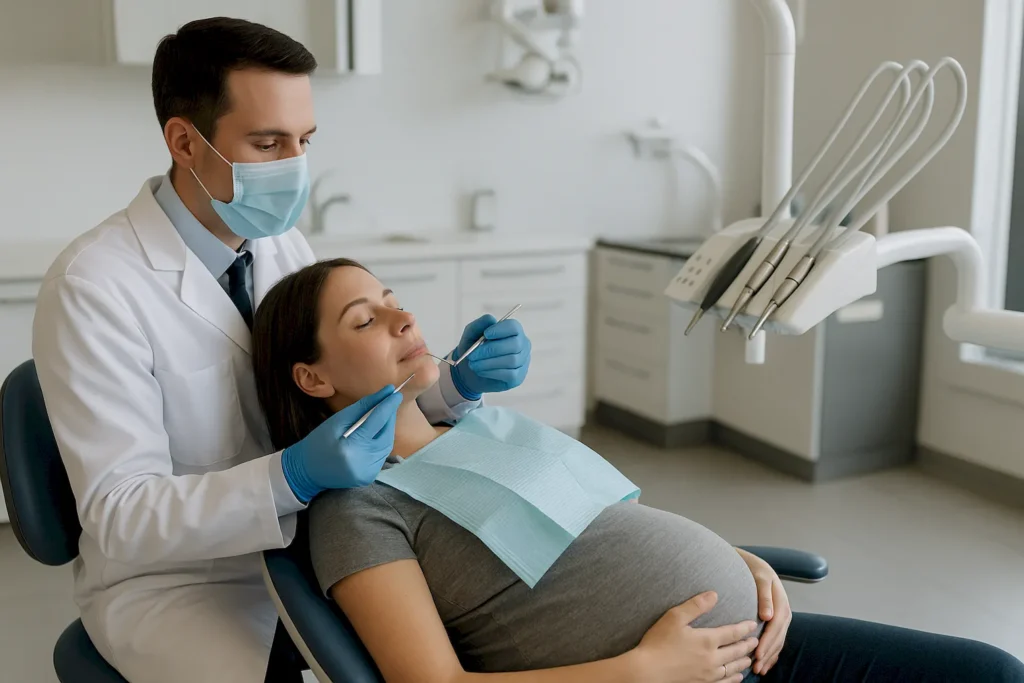
Root canal during pregnancy may sound intimidating, but it’s a common concern for expectant mothers facing dental issues. As your body undergoes significant changes, dental health can be impacted more than you might expect. When a severe tooth infection or pain strikes, postponing treatment isn’t always an option. In this article, we’ll explore whether getting a root canal while pregnant is safe, when it’s recommended, and how to ensure both your comfort and your baby’s well-being.
Is It Safe to Get a Root Canal While Pregnant?
When considering a root canal during pregnancy, many expectant mothers have concerns about the safety of the procedure for both themselves and their developing baby. It is essential to prioritize oral health during pregnancy, as untreated dental issues can lead to complications such as infections that may impact overall health. However, it’s crucial to weigh the benefits and risks before proceeding with this dental treatment.
Factors to Consider
- The stage of your pregnancy
- The severity of your dental issue
- The type of anesthesia that will be used
- Your overall health condition
- The experience of your dentist with pregnant patients
- The potential consequences of delaying treatment
Consulting with your healthcare provider and dentist is vital in this decision. They can provide personalized advice based on your medical history and the current health of your pregnancy. Root canal therapy is often deemed safe, especially during the second trimester when the risk of miscarriage is lower, and critical organ development is mostly complete.
Ultimately, addressing dental problems promptly is crucial for maintaining both maternal health and the baby’s wellbeing. Delaying a root canal during pregnancy could lead to more severe dental complications, which may require more invasive treatments down the line. If you’re experiencing significant pain, infection, or other dental issues, it’s important to seek care and determine the best course of action for your situation.
When Is the Best Time for a Root Canal During Pregnancy?
When considering a root canal during pregnancy, timing can play a crucial role in ensuring both the mother’s and baby’s well-being. Dental health is an essential aspect of prenatal care, and addressing any dental issues can prevent further complications. It’s important to consult with dental and medical professionals to determine the most suitable time for treatment based on individual circumstances.
Generally, the safest periods for dental work during pregnancy are during the second trimester. During this time, the fetus is more stable, and the risk of complications is lower. However, dental emergencies can arise, making it vital to be prepared. Expecting mothers should prioritize their health and seek necessary treatments promptly. Giving attention to dental pain or infections is essential, as neglecting to address them might lead to further health issues.
Recommended Timing
- Second trimester (weeks 13-27) is ideal for elective procedures.
- Early first trimester (weeks 1-12) is best avoided unless it’s an emergency.
- Postpartum period can be a good option if treatment can be delayed.
- Mid-second trimester is often when most women feel the best.
- Urgent procedures during the third trimester should be approached with caution.
- Avoid scheduling dental work close to your due date.
- Consult both your dentist and obstetrician for individualized advice.
In the first trimester, although some dental procedures may seem necessary, it is generally recommended to postpone elective treatments due to potential risks. This period is critical for fetal development, and unwanted stress or medications should be avoided. If a root canal is absolutely essential, it should be handled with care and only by professionals experienced in managing pregnant patients.
Second and Third Trimester Insights
The second and third trimesters present a more stable environment for dental procedures. Women often experience better health during this phase, making it a more comfortable time for a root canal during pregnancy. Nevertheless, it is important to evaluate any other health-related factors before proceeding. Always communicate openly with your healthcare providers to ensure that the procedure is executed safely, taking the necessary precautions for both the mother and the unborn child.
Can Dental X-Rays Harm the Baby?
When considering a root canal during pregnancy, one of the most important factors is the safety of dental x-rays. Many expectant mothers worry whether these diagnostic tools could pose a risk to their developing baby. It’s crucial to understand that while dental x-rays do involve radiation, the level of exposure is very low and is typically well within safe limits for both the mother and her fetus.
Dental professionals take utmost care when treating pregnant patients, and precautions are routine. The use of lead aprons during x-ray procedures minimizes any potential exposure, further ensuring the safety of the unborn child. In general, reputable dental practices will only recommend x-rays if absolutely necessary, weighing the benefits against any potential risks involved in delaying treatment.
While the risk is minimal, it’s always wise for pregnant women to discuss their concerns with their dentist.
Understanding Radiation Exposure
Radiation exposure from dental x-rays is significantly less than from other common sources of radiation such as flying in an airplane or even standing outside in the sun. The American Dental Association asserts that the amount of radiation involved in dental imaging is quite low, usually measuring less than 0.01 mSv, which is considered safe for the developing fetus. Most dental professionals prioritize patient safety, especially for pregnant women, during these procedures.
Safety Measures for Dental X-Rays
- Discuss your pregnancy with your dentist before treatment.
- Use a lead apron and thyroid collar to shield vital organs.
- Limit x-rays to only what is necessary for diagnosis and treatment.
- Opt for digital x-rays, which utilize lower radiation levels.
- Schedule dental visits during the second trimester, if possible.
- Consult with your obstetrician if you’re in doubt about the necessity of x-rays.
- Keep open communication with your dental team about any concerns.
In conclusion, while it is understandable for expectant mothers to be cautious regarding dental x-rays, the procedures are designed with safety in mind. With proper precautions and clear communication, necessary dental procedures, including a root canal during pregnancy, can be conducted safely, ensuring the health of both mother and baby.
What Are the Risks of Avoiding Root Canal Treatment While Pregnant?
Avoiding a root canal during pregnancy can have significant implications for both maternal and fetal health. Pregnant individuals often feel anxious about dental procedures, leading them to postpone necessary treatments, which can exacerbate underlying dental issues. The risks associated with untreated dental infections can be severe, including the spread of infection into the bloodstream, which in turn may affect the overall health of the pregnancy.
| Risk Factor | Description | Potential Consequences |
|---|---|---|
| Infection | Untreated infections in the mouth | Systemic infection and complications |
| Pain and Discomfort | Ongoing tooth pain that worsens | Increased stress and anxiety |
| Antibiotic Use | Potential need for antibiotics | Possible effects on fetal development |
| Premature Labor | Severe dental issues may cause stress | Increased risk of premature birth |
The presence of an untreated root canal infection can lead to chronic pain and increased stress levels. For many pregnant individuals, managing pain is vital not only for their own well-being but also for their baby’s health. Persistent discomfort can lead to sleep disturbances and difficulties in maintaining a balanced diet, both of which are critical during pregnancy.
Potential Risks
- Increased risk of systemic infection.
- Chronic pain that may affect daily life.
- Need for stronger medications or antibiotics.
- Potential complications in pregnancy, such as preterm labor.
- Negative impact on the mother’s overall health.
- Anxiety and stress affecting prenatal health.
In light of these risks, it’s crucial for pregnant individuals to consult with their healthcare providers and dental professionals regarding the timing and necessity of a root canal. Addressing these issues early can lead to better health outcomes for both the mother and the baby. Ultimately, proactive dental care during pregnancy can help avoid severe complications that may arise from untreated dental problems.
Do You Need Special Precautions for Dental Procedures During Pregnancy?
When considering dental treatments like a root canal during pregnancy, it is crucial to recognize that special precautions are necessary to ensure the safety of both the mother and the developing baby. Pregnant women undergo various physiological changes, which can affect how treatments are administered and what medications are safe to use. It is always best to consult with your healthcare provider and dentist before proceeding with any dental work.
One of the primary concerns during pregnancy is the potential risk of infections and complications. Pregnant individuals may experience increased sensitivity and weakened immune responses, making it essential to address dental issues proactively. While the idea of undergoing a root canal during pregnancy may seem daunting, it is typically safe when performed with proper precautions.
Essential Precautions
- Consult your dentist on the necessity of the procedure before proceeding.
- Schedule the appointment for the second trimester, the safest period for dental work.
- Inform your dentist about your pregnancy status and any medications you’re taking.
- Discuss safe anesthesia options with your dentist to minimize risks.
- Ensure proper positioning during the procedure to optimize comfort and reduce pressure on your abdomen.
- Plan for aftercare to manage pain and any potential side effects safely.
- Regularly attend check-ups to prevent dental issues from arising during the pregnancy.
These precautions are designed to create a safer environment for both the mother and baby during dental procedures. By taking these steps, you can minimize risks and ensure that any dental health issues are addressed promptly without compromising your pregnancy.
Consultation with Your Dentist
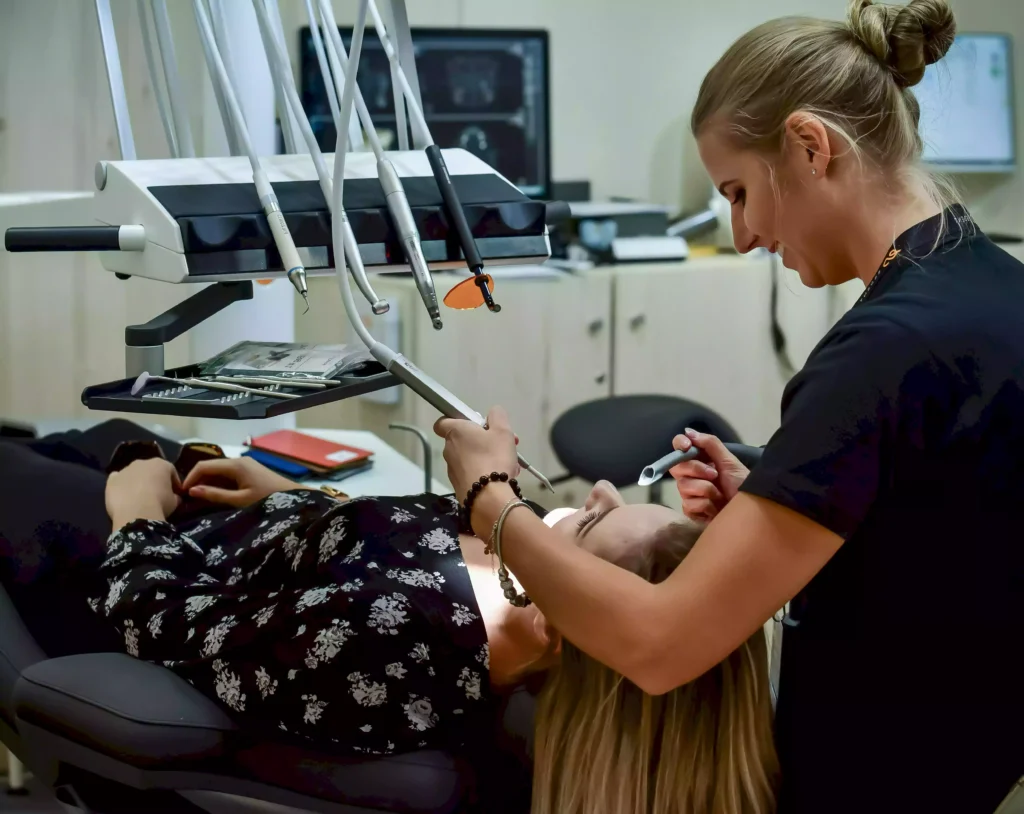
The first step before getting a root canal or any dental procedure during pregnancy is to have an open discussion with your dentist. They can ease your concerns and provide clarity on how the procedure will be managed during your pregnancy. A dentist experienced in treating pregnant patients will be well-versed in the precautions necessary to ensure a safe experience and will tailor the treatment plan accordingly.
Medical History Review
A thorough review of your medical history is essential before proceeding with a root canal during pregnancy. This review includes discussing any previous dental issues, current health status, and any medications you may be taking. By disclosing this information, your dentist can better assess any potential risks and develop a proper treatment plan. In some cases, they may coordinate with your obstetrician to ensure that all safety considerations are taken into account.
What Type of Anesthesia Is Safe During Pregnancy?
When considering a root canal during pregnancy, the safety of anesthesia options becomes a primary concern for expecting mothers. It is essential to ensure that any anesthesia used does not pose risks to the mother or the developing fetus. Generally, local anesthesia is regarded as safe during pregnancy since it minimizes systemic exposure and allows the mother to remain conscious and alert throughout the procedure. The most commonly used local anesthetic, lidocaine, has been deemed safe when administered in standard doses.
| Anesthesia Type | Safety Level | Notes |
|---|---|---|
| Local Anesthesia (e.g., Lidocaine) | Safe | Widely used in dental procedures. |
| General Anesthesia | Risky | Should be avoided unless absolutely necessary. |
| Nitrous Oxide | Controversial | Consult with your doctor before use. |
| Oral Sedatives | Avoid | Presents potential risks to the fetus. |
Dental professionals prioritize the health and safety of both mother and child. Therefore, if a root canal treatment is necessary, the use of local anesthesia is typically encouraged. Still, it is crucial for expecting mothers to consult their healthcare providers or anesthesiologists about any existing conditions or concerns prior to undergoing the procedure. This discussion will not only cover the safety of the anesthesia but also assess the timing and necessity of the dental work.
Safe Anesthesia Options
- Local anesthesia (e.g., lidocaine)
- Topical anesthesia for minor procedures
- Non-sedative pain relief options
- Minimal sedation techniques if required
- Consultation with a healthcare provider
- Emergency anesthesia protocols based on necessity
Ultimately, communication with your dentist and obstetrician is critical when considering a root canal during pregnancy. Together, they can make informed decisions that align with your health needs while mitigating risks. Remember that delaying necessary dental treatment could result in complications not only for the mother but also for the developing infant. Always prioritize safety in such circumstances.
Should You Delay Root Canal Treatment Until After Delivery?
Deciding whether to delay root canal during pregnancy can be challenging for expectant mothers. While the general consensus is that necessary dental treatments should not be postponed, there are specific factors to consider that may influence the timing of your root canal procedure. It’s essential to prioritize both your health and the well-being of your baby, as untreated dental issues can lead to complications that affect both parties.
Considerations for Delaying Treatment
- Severity of the dental issue and associated pain.
- Trimester stage and any pregnancy-related complications.
- The potential risk of infection if the treatment is delayed.
- Consultation with a dental specialist experienced in treating pregnant patients.
- Availability of safe anesthesia options during pregnancy.
- Emotional and physical stress related to managing dental pain during pregnancy.
Before making a final decision, it’s critical to discuss your specific circumstances with your dentist and obstetrician. They can provide guidance tailored to your health needs, ensuring that any treatment you receive is safe for both you and your baby. Ultimately, while delaying treatment may seem reasonable, it is often more beneficial to address dental concerns promptly to avoid any potential complications that could arise from inaction.