
Pregnancy insomnia is a common challenge faced by many expectant mothers, often disrupting the ability to get restful, restorative sleep. Understanding the causes and patterns of insomnia during pregnancy is crucial for managing its impact on daily life. From early pregnancy signs to trimester-specific sleep difficulties, insomnia can vary in intensity and duration. Natural remedies—such as relaxation techniques, improved sleep hygiene, and lifestyle adjustments—can help alleviate symptoms without the need for medication. Some theories even explore whether sleep disturbances relate to the baby’s gender. By distinguishing pregnancy-related insomnia from general sleep disorders, women can better recognize when to seek support. With the right strategies, it’s possible to improve sleep quality and enhance overall well-being throughout pregnancy.
What Is Pregnancy Insomnia and Why Does It Happen?
As many expectant mothers discover, pregnancy insomnia can be a troubling yet common issue they face. This condition, characterized by difficulty falling asleep or staying asleep, often stems from a combination of physical and psychological factors. Understanding why insomnia during pregnancy occurs can help you better manage your sleep challenges and adapt to the significant changes happening in your body.
During pregnancy, hormonal fluctuations, increased anxiety, and physical discomfort can significantly impact your sleep quality. The body undergoes a variety of changes, including weight gain and shifts in your center of gravity, which can lead to restlessness and discomfort at night. Additionally, the emotional stress of preparing for a new baby can exacerbate sleep disturbances, making it crucial for expectant mothers to seek effective strategies for improving their sleep.
Key Factors Contributing to Pregnancy Insomnia
- Hormonal Changes: Fluctuations in hormones can disrupt your sleep cycle.
- Physical Discomfort: Increased weight, bloating, and back pain can make it hard to find a comfortable sleep position.
- Frequent Urination: The growing uterus can press on the bladder, leading to more trips to the bathroom at night.
- Heartburn: Hormonal changes and pressure on the stomach can increase heartburn symptoms, affecting sleep quality. For more detailed information on managing heartburn during pregnancy, you can visit.
- Anxiety and Stress: Worries about childbirth and parenting can keep your mind active at night.
- Changes in Sleep Environment: Preparing a nursery and changes at home can create stress, impacting relaxation.
By identifying the key factors contributing to insomnia during pregnancy, you can take proactive steps towards improving your sleep. It’s essential to maintain a sleep-friendly environment and practice relaxation techniques that can ease anxiety and promote restful sleep.
Physical Changes During Pregnancy
The physical transformation your body undergoes during pregnancy significantly contributes to insomnia. The added weight and changes in your body shape can lead to discomfort while trying to sleep. As your body prepares for childbirth, you may experience symptoms, such as achy joints, leg cramps, and swelling, which result in frequent awakenings throughout the night. For tips on relieving neck ache in pregnancy, this guide offers helpful advice.
Psychological Factors and Sleep
In addition to physical factors, psychological influences play a critical role in pregnancy insomnia. The anticipation of childbirth and the shift in lifestyle can provoke anxiety, leading to racing thoughts at bedtime. Mental well-being is paramount during this time; thus, recognizing and addressing these psychological aspects is vital for nurturing good sleep habits.
Is Insomnia a Sign of Early Pregnancy?
Understanding the link between insomnia during pregnancy and early pregnancy symptoms is crucial for expectant mothers. Many women experience sleep disturbances during this period due to hormonal changes, anxiety about the future, and physical discomfort. One common question that arises is whether insomnia can be an indication of early pregnancy. The answer is not straightforward, as insomnia during pregnancy can also stem from other factors, such as pre-existing sleep disorders or stress.
During early pregnancy, changes in the body can lead to symptoms that affect sleep quality. Women may find it difficult to fall asleep or stay asleep due to increased urination, nausea, or emotional fluctuations. Therefore, while insomnia may not exclusively signal pregnancy, it can be a part of the myriad of bodily changes women experience as they embark on this journey. Observing persistent sleep issues can be an opportunity to consider potential pregnancy, especially if accompanied by other signs.
Possible Signs of Early Pregnancy
- Missed period
- Nausea or morning sickness
- Increased fatigue
- Frequent urination
- Breast tenderness or changes
- Heightened sense of smell
- Mood swings
It’s essential for women to listen to their bodies and pay attention to these signs. If insomnia during pregnancy persists or worsens, it’s advisable to consult with a healthcare provider. Monitoring sleep patterns and the presence of multiple symptoms can aid in distinguishing whether those sleepless nights are simply a symptom of pregnancy or indicative of another underlying issue. Taking proactive steps to improve sleep hygiene may also prove beneficial in easing insomnia during this critical time.
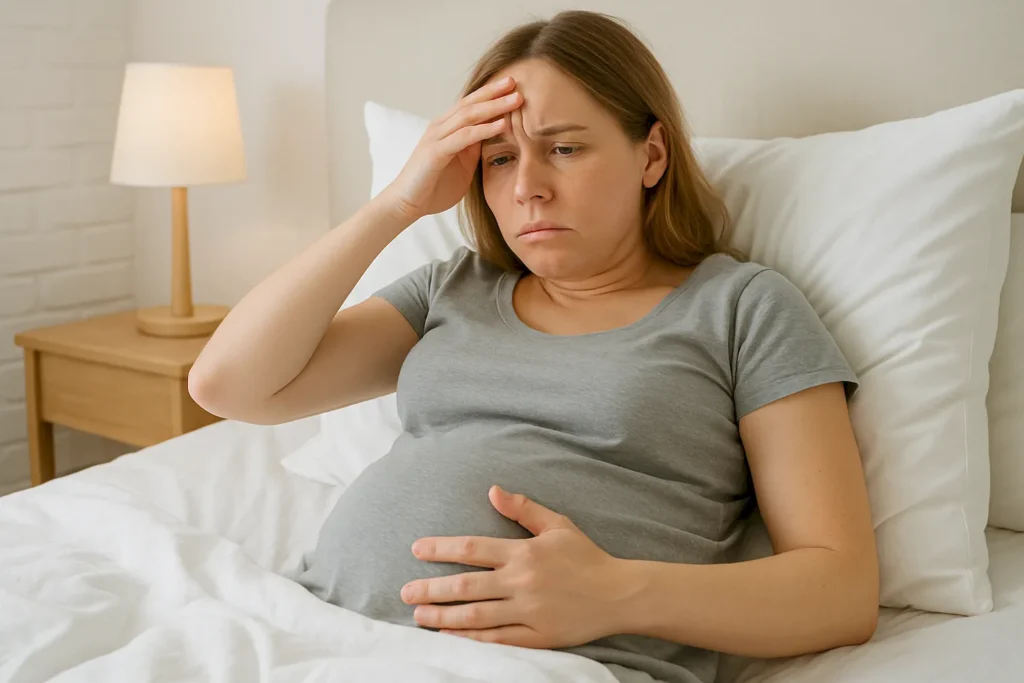
When Does Pregnancy Insomnia Usually Start?
Pregnancy insomnia is a common issue faced by many expectant mothers, and it often arises at different stages throughout pregnancy. Generally, insomnia during pregnancy may begin in the first trimester as hormonal changes and physical discomforts start to emerge. Women often report difficulties in sleeping due to increased anxiety over pregnancy, frequent bathroom visits, or emotional fluctuations that affect their quality of rest.
Common Timeframes for Pregnancy Insomnia
- First Trimester: Hormonal changes and anxiety may lead to initial sleep disturbances.
- Second Trimester: Physical changes become prominent, making comfortable sleep challenging.
- Third Trimester: Increased size of the belly and discomfort often exacerbate insomnia.
- Postpartum Period: New mothers may experience insomnia due to baby care responsibilities.
- Throughout Pregnancy: Stress, anxiety, and physical discomfort can affect sleep at any time.
Though insomnia is more prevalent in the later stages, it can start early, leaving many women wondering how to manage these sleep disturbances. It is important to recognize that insomnia during pregnancy can result from both physical and emotional factors. Finding effective coping mechanisms early on may help improve overall sleep quality and enhance the pregnancy experience.
Pregnancy Insomnia by Trimester: What to Expect
During pregnancy, many women experience pregnancy insomnia, which can vary significantly from one trimester to another. In the first trimester, hormonal changes, fatigue, and early pregnancy symptoms like nausea can disrupt sleep patterns. It’s common for expectant mothers to find themselves tossing and turning at night, trying to find a comfortable position as their bodies undergo profound changes.
As women move into the second trimester, some may notice a slight improvement in sleep quality as pregnancy symptoms begin to ease. However, those experiencing pregnancy insomnia may still struggle due to physical discomfort, increased anxiety about the baby, and the psychological adjustments that come with impending motherhood. Additionally, this stage may bring the need to frequently wake up for bathroom visits, further complicating rest.
| Trimester | Common Causes of Insomnia | Tips for Better Sleep |
|---|---|---|
| First Trimester | Hormonal changes, nausea, fatigue | Use pillows for support, keep a regular sleep schedule |
| Second Trimester | Physical discomfort, anxiety, more frequent bathroom trips | Stay hydrated earlier in the day, engage in light stretching |
| Third Trimester | Restlessness, fetal movement, increased anxiety about labor | Practice relaxation techniques, sleep on your side with a pillow between your legs |
As the third trimester approaches, many women face intensified pregnancy insomnia. Physical discomfort escalates as the baby grows, often leading to increased levels of restlessness and difficulty settling into a comfortable sleeping position. Fetal movements can also disrupt sleep, causing anxiety and anticipation about labor and delivery.
Understanding the stages of pregnancy insomnia can help mothers-to-be anticipate their sleep challenges and seek solutions tailored to their specific trimester needs. Each stage brings unique experiences and solutions, allowing expectant parents to prepare for a more restful night’s sleep.
Can Pregnancy Cause Insomnia or Make It Worse?
Many expectant mothers find themselves grappling with insomnia during pregnancy, leading to concerns about their ability to rest well. Pregnancy can introduce various physiological and emotional changes that significantly impact sleep quality and duration. From hormonal fluctuations to physical discomfort, numerous factors can exacerbate this common condition, causing women to struggle more than usual with sleep.
Link Between Pregnancy and Sleep Disorders
The connection between pregnancy and sleep disorders is well-documented. Research suggests that the rate of insomnia during pregnancy can increase as women progress through their trimesters. This is often attributed to growing hormonal changes, increasing belly size, and anxiety about the impending arrival of a new baby. As a result, women may experience difficulty falling asleep or staying asleep, which can contribute to fatigue and irritability during the day.
Factors Influencing Pregnancy-Induced Insomnia
Understanding the various influences can help expectant mothers manage their sleep challenges. Here are some factors that may contribute to pregnancy-induced insomnia:
- Hormonal Changes
- Physical Discomfort
- Increased Urination
- Emotional Stress or Anxiety
- Changes in Sleep Position
- Heartburn or Acid Reflux
- Pregnancy-related Conditions like Restless Legs Syndrome
These factors can intertwine, making it crucial for pregnant women to be aware of how different aspects of their pregnancy might be influencing their sleep patterns. By identifying the root causes of insomnia, expectant mothers can adopt strategies that may alleviate their symptoms, allowing for a more restful experience during this transformative time.

Top 5 Natural Remedies for Insomnia During Pregnancy
Dealing with insomnia during pregnancy can be a challenging experience for expecting mothers. Many physical and hormonal changes contribute to sleep disturbances, making restful nights increasingly elusive. Fortunately, there are several natural remedies that can aid in alleviating insomnia, helping pregnant women achieve the quality sleep they deserve. Incorporating these remedies into your nightly routine may provide significant relief without relying on medication.
Step-by-Step Natural Remedies
- Establish a Relaxing Bedtime Routine: Create a calming pre-sleep routine such as reading, gentle stretching, or meditative breathing.
- Maintain a Comfortable Sleep Environment: Ensure your bedroom is cool, quiet, and dark to promote better sleep.
- Say No to Caffeine: Limit caffeine intake in the afternoon and evening to avoid disrupting sleep patterns.
- Utilize Aromatherapy: Incorporate soothing scents like lavender or chamomile through essential oils to enhance relaxation.
- Stay Active: Engage in light exercise during the day, such as walking or prenatal yoga, to reduce stress and improve sleep quality.
- Practice Mindfulness: Techniques such as deep breathing or visualization can help calm the mind before bedtime.
- Consider Herbal Teas: Herbal teas like chamomile and lemon balm can promote relaxation and better sleep, but consult your healthcare provider first.
In addition to utilizing these remedies, it’s essential to focus on establishing a consistent sleep schedule. Going to bed and waking up at the same time every day can help regulate your body’s internal clock, making it easier to fall asleep and stay asleep. Moreover, communicating with your partner about your sleep needs can foster a supportive environment, allowing you to rest effectively throughout the night.
Implementing these natural remedies into your lifestyle can significantly reduce the occurrences of insomnia during pregnancy, paving the way for a more restful and rejuvenating sleep experience.
Remember, while insomnia during pregnancy can feel overwhelming, prioritizing self-care and exploring natural solutions is crucial. If you find these strategies ineffective, discussing your sleep concerns with a healthcare professional can provide additional guidance and support tailored specifically to your needs. There is hope for better sleep, allowing you to embrace the joys of pregnancy with greater ease.
Pregnancy Insomnia: Boy or Girl – Is There a Link?
Many expectant mothers often find themselves grappling with pregnancy insomnia, leading to questions about the potential connection between sleepless nights and the baby’s sex. While there are countless anecdotes suggesting that severe sleeplessness is linked to carrying a girl, scientific evidence remains inconclusive. Sleep disturbances during pregnancy occur for a variety of reasons, including hormonal fluctuations, physical discomfort, and anxiety, which all contribute to the overall experience of pregnancy insomnia. Therefore, attributing these insomnia episodes solely to the sex of the baby does not hold much weight in clinical discussions.
Common Myths and Facts
- Myth: Pregnancy insomnia is a sign of carrying a girl.
- Fact: Insomnia can affect any pregnant woman, regardless of the baby’s sex.
- Myth: Women who sleep poorly will have a harder labor.
- Fact: While sleeplessness can increase stress, it does not predict labor outcomes.
- Myth: All pregnant women experience insomnia.
- Fact: Not all women will encounter significant sleep disturbances during pregnancy.
- Myth: Insomnia in pregnancy is purely emotional.
- Fact: Physical discomfort also plays a major role.
Ultimately, it’s important to acknowledge that while there may be many theories about pregnancy insomnia and the baby’s sex, each woman’s pregnancy journey is unique. Individual experiences of insomnia can differ greatly, influenced by personal health, lifestyle choices, and psychological factors. Addressing these sleeping issues with practical solutions and support can help make pregnancy a more restful experience for both mother and child.
First Trimester Sleep Problems: Normal or Not?
During the first trimester of pregnancy, many women experience sleep disturbances that can lead to insomnia during pregnancy. These disruptions can be attributed to a combination of hormonal changes, physical discomfort, and emotional stress. It’s important to understand whether these sleep issues are typical or if they require further attention. While some level of sleep disruption can be expected, serious concerns should be evaluated by a healthcare professional.
As the body adjusts to the rapid changes of early pregnancy, it’s not uncommon for sleep patterns to shift dramatically. Women might find themselves waking frequently during the night or struggling to fall asleep initially. Stress, anxiety, and even physical changes like frequent urination can contribute to this phenomenon. Fortunately, there are indicators that can help pregnant women discern whether their sleep changes are normal.
Indicators of Normal Sleep Changes
- Occasional difficulty falling asleep
- Waking up multiple times at night
- Feeling more tired during the day
- Experiencing vivid dreams or nightmares
- Needing to adjust sleep positions due to discomfort
- Changes in sleep duration or quality
- Increased need for naps
Being aware of these indicators can help alleviate concerns regarding sleep changes during the first trimester. However, it’s crucial to differentiate between normal symptoms of insomnia during pregnancy and those that may indicate a deeper issue. If sleep problems persist, it is advisable to consult with a healthcare provider to discuss appropriate interventions.
Common Sleep Issues in the First Trimester
Many pregnant individuals report specific sleep issues during this stage, such as trouble staying asleep due to discomfort or anxiety about the pregnancy. In addition to physical factors, the emotional rollercoaster that often accompanies early pregnancy can exacerbate insomnia during pregnancy. Understanding these common sleep challenges can enable women to seek necessary support and develop effective coping strategies.

Is Insomnia in Early Pregnancy a Reliable Symptom?
Insomnia during pregnancy is a common issue faced by many expectant mothers, especially in the early stages. Although sleep disturbances can be attributed to various factors such as hormonal changes, physical discomfort, and emotional stress, it is essential to determine whether insomnia is a reliable symptom of early pregnancy. While not every woman experiences insomnia, it can serve as a potential indicator, especially when combined with other early pregnancy symptoms. Understanding the correlation between insomnia and pregnancy can help mothers-to-be better manage their sleep health.
Evaluating Early Symptoms of Pregnancy
- Missed Period: Often the first noticeable sign of pregnancy.
- Breast Changes: Tenderness or swelling may occur.
- Nausea: Commonly known as morning sickness, it can happen at any time of the day.
- Fatigue: Increased tiredness can be a sign of hormonal changes.
- Frequent Urination: The growing uterus can apply pressure on the bladder.
- Changes in Taste or Smell: Cravings or aversions to certain foods may arise.
- Insomnia: Sleep disturbances can accompany other early symptoms.
While insomnia in early pregnancy isn’t universally experienced, it is vital for women to keep track of their experiences. This can be useful for discussions with healthcare professionals to determine the best approaches for managing insomnia during pregnancy. If insomnia persists or significantly impacts daily life, exploring individualized strategies or therapies may prove beneficial. Remember, managing sleep is an essential part of maintaining overall health and well-being during pregnancy.
How to Sleep Better While Pregnant Without Medication
Dealing with pregnancy insomnia can be particularly challenging, especially as your body undergoes numerous changes during this special time. Many women find that familiar sleep patterns are disrupted, leading to restless nights and increased fatigue. Fortunately, there are several effective strategies you can adopt to improve your sleep without turning to medication.
Actionable Steps for Better Sleep
- Establish a consistent sleep schedule by going to bed and waking up at the same time daily.
- Create a relaxing bedtime routine that includes activities such as reading or gentle stretching.
- Enhance your sleeping environment by keeping your bedroom dark, cool, and quiet.
- Limit caffeine and heavy meals, especially in the evening.
- Practice relaxation techniques like deep breathing, meditation, or prenatal yoga.
- Consider using pillows for extra support of your body, which can help you find a comfortable sleeping position.
- Stay active during the day with light exercise to promote better sleep at night.
Implementing these strategies can significantly alleviate some of the discomfort caused by pregnancy insomnia. Listening to your body and recognizing your limits is also crucial. If your sleeplessness persists and severely affects your daily life, it may be worth discussing with your healthcare provider. They can guide you on additional healthy practices and support tailored to your specific needs during pregnancy.
Many women find that simple adjustments to their daily habits can make all the difference in managing pregnancy insomnia. Prioritizing your sleep can help improve your overall well-being and prepare you for the challenges of motherhood.
Remember, every pregnancy is unique, and what works for one person may not work for another. Patience and self-compassion are essential. By incorporating these approaches, you might find a way to reclaim restful nights and navigate the exciting journey ahead with more vitality and ease.

Pregnancy Insomnia vs. Regular Insomnia: What’s the Difference?
Understanding the distinction between pregnancy insomnia and regular insomnia is crucial for expectant mothers. Pregnancy insomnia primarily occurs due to hormonal changes, physical discomfort, and emotional stress associated with carrying a baby. In contrast, regular insomnia may stem from a variety of factors such as stress, anxiety, or sleep disorders unrelated to pregnancy. Pregnant women often experience unique sleep disturbances that can intensify their feelings of tiredness and fatigue.
Another key difference lies in the timing and symptoms. While regular insomnia may be sporadic or chronic, pregnancy insomnia frequently surfaces in different trimesters, reflecting the evolving physical demands placed on the body. Common symptoms include frequent waking, difficulty falling asleep, and unusual sleep patterns, all of which can be attributed to hormone fluctuations and the growing fetus. Understanding these differences can help in addressing sleep issues more effectively.
Comparison of Pregnancy Insomnia and Regular Insomnia
| Aspect | Pregnancy Insomnia | Regular Insomnia |
|---|---|---|
| Causes | Hormonal changes, physical discomfort | Stress, anxiety, medical conditions |
| Symptoms | Frequent waking, emotional distress | Difficulty falling asleep, waking early |
| Duration | Varies by trimester | Chronic or intermittent |
| Impact | Affects both mother and fetus | Primarily affects the individual |
In conclusion, recognizing the specific characteristics of pregnancy insomnia as opposed to regular insomnia can help expectant mothers seek appropriate remedies and support. By understanding the unique factors affecting sleep during pregnancy, women can take proactive steps to improve their overall sleep quality, which is vital for both their health and their baby’s development. It’s essential to consult healthcare providers if sleep disturbances persist, ensuring both the mother and child remain healthy throughout the pregnancy journey.
Should You Be Worried About Pregnancy Insomnia?
Experiencing insomnia during pregnancy can leave many expecting mothers feeling anxious and worried. It’s important to recognize that insomnia during pregnancy is a common issue faced by many women due to various hormonal, physical, and emotional changes. While occasional sleepless nights may not be a cause for alarm, persistent sleep disturbances can lead to fatigue and impact overall well-being. Acknowledging these challenges and finding ways to manage them is key to a healthier pregnancy.
Key Takeaways on Managing Insomnia
- Establish a consistent bedtime routine.
- Create a comfortable sleep environment.
- Engage in relaxation techniques, such as deep breathing.
- Avoid caffeine and heavy meals close to bedtime.
- Incorporate regular, moderate exercise into your daily routine.
- Limit daytime naps to enhance nighttime sleep.
- Discuss sleep problems with your healthcare provider if they persist.
While sleep disruptions can feel daunting, focusing on practical strategies can significantly alleviate insomnia during pregnancy. In the end, staying informed and proactive about your sleep health will not only benefit you but also your developing baby. If concerns about sleep difficulties persist, consulting with a healthcare professional can provide guidance and support to ensure a healthy and restful pregnancy.