

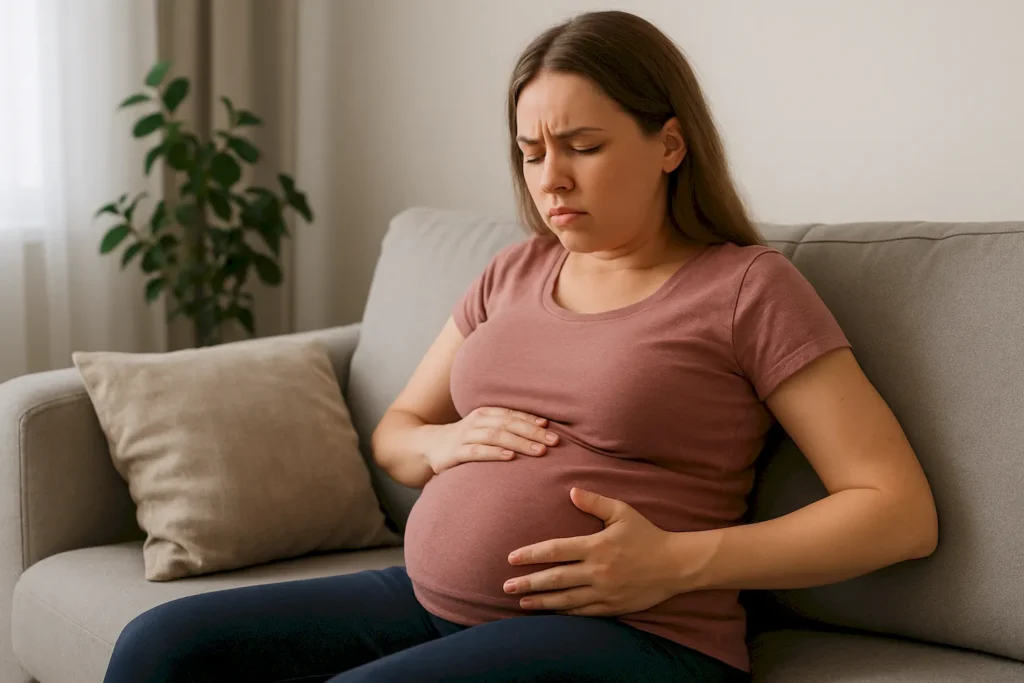
Pregnancy bloating is a common experience for many women during their pregnancy journey. It can be triggered by hormonal changes and digestive system shifts that slow down the body’s normal processes. Common symptoms include abdominal discomfort and a persistent feeling of fullness. During the first trimester, these symptoms may become more noticeable, but there are effective strategies for relief—such as dietary adjustments, staying hydrated, and gentle physical activity.
Learning how to minimize and prevent bloating can make a significant difference throughout all stages of pregnancy. It’s also important to understand the differences between pregnancy bloating and period bloating, as well as whether bloating might be an early sign of pregnancy. Concerns like bloating during ovulation and knowing when to seek medical attention are also worth exploring. A clear understanding of bloating during pregnancy can help expectant mothers manage their symptoms with confidence and comfort.
What Causes Bloating During Pregnancy?
Bloating during pregnancy is a common experience for many women, often resulting from a combination of hormonal and physical changes in the body. As the body adjusts to support the growing fetus, various factors can contribute to this uncomfortable sensation. Understanding these causes is crucial for managing and alleviating bloating symptoms throughout pregnancy.
The body undergoes significant hormonal shifts during pregnancy, which can lead to increased water retention and digestive changes. These hormonal fluctuations can slow down the digestive process, causing food to remain in the gastrointestinal tract longer and resulting in bloating. Additionally, pregnancy hormones such as progesterone relax smooth muscles, which can further contribute to gastrointestinal discomfort.
Key Factors Contributing to Bloating During Pregnancy
- Hormonal changes: Elevated levels of progesterone affect digestion.
- Uterine expansion: As the uterus enlarges, it can put pressure on the intestines.
- Increased gas production: Changes in gut bacteria can lead to excess gas.
- Dietary adjustments: Cravings for certain foods may result in bloating.
- Constipation: Common in pregnancy, it can worsen bloating symptoms.
- Fluid retention: Hormonal changes can lead to water retention.
- Inactivity: Reduced physical activity may hinder digestion.
Physical changes throughout pregnancy also contribute significantly to bloating. As the pregnancy progresses, the enlarging uterus can exert pressure on surrounding organs, including the bladder and intestines. This pressure affects normal digestive functions, often leading to discomfort and bloating. Staying informed about the changes your body is undergoing can help in identifying the causes of bloating during pregnancy.
Hormonal Changes
The shift in hormone levels is a primary reason many women experience bloating during pregnancy. Progesterone, which is essential for maintaining the pregnancy, can cause the smooth muscles of the gastrointestinal tract to relax. This relaxation slows down digestion, allowing gas to build up and resulting in that uncomfortable bloated feeling. Those experiencing bloating pregnancy should note this as a natural side effect of these hormonal adjustments.
Physical Changes
Alongside hormonal shifts, the physical alterations that occur during pregnancy play a role in bloating. As your baby grows, the expanding uterus can compress the intestines, hindering the passage of gas and food. This change is particularly pronounced in the later stages of pregnancy when the uterus reaches its largest size. Being mindful of these physical changes can help you manage bloating during pregnancy more effectively.
Common Symptoms of Pregnancy Bloating
Bloating in pregnancy is a common discomfort many expectant mothers face, especially in the early stages. It occurs as the body undergoes significant hormonal changes, primarily due to increasing levels of progesterone, which can relax the digestive tract and lead to a buildup of gas. Understanding the symptoms associated with this condition can help you differentiate between regular bloating and more concerning gastrointestinal issues.
Common Symptoms Associated with Bloating
- Abdominal Discomfort: A painful or tight sensation in the stomach area is frequently reported.
- Increased Gas: This includes passing gas more often than usual, which can be uncomfortable.
- Swelling: Visible abdominal swelling can occur, making clothing feel tighter.
- Heartburn During Pregnancy: Bloating may exacerbate heartburn during pregnancy or acid reflux due to pressure on the stomach, making this a common and often uncomfortable symptom for expectant mothers.
- Loss of Appetite: Some pregnant women find it difficult to eat large meals because of the fullness sensation.
- Constipation: Hormonal changes can also slow down digestion, leading to constipation.
- Changes in Bowel Movements: Fluctuations in bowel habits, such as diarrhea or more frequent urges, can accompany bloating.
It’s essential for pregnant individuals to monitor these symptoms closely. While bloating is often a benign occurrence, it can sometimes indicate underlying issues that may require attention. Regular check-ups with your healthcare provider and open discussions about any discomfort are crucial to ensure both mother and baby remain healthy.
In some cases, bloating in pregnancy may vary based on the trimester, and recognizing these changes can be beneficial. If you find your symptoms are significantly affecting your daily life or are accompanied by severe pain, it is advisable to seek medical guidance. Remember, your health and well-being are paramount during this transformative period.

Bloating in the First Trimester: What to Expect
Bloating in pregnancy is a common complaint many women experience during their first trimester. The rapid hormonal changes occurring in your body can lead to digestive issues, including bloating and gas. This discomfort is often exacerbated by the relaxing effects of progesterone on the intestinal tract, making it harder for food to pass through and leading to feelings of fullness and pressure. Understanding what causes these symptoms can help you manage them effectively.
During the first trimester, your body is adjusting to the changes that come with pregnancy, which can result in various physical sensations that can be alarming. Many expectant mothers are surprised to learn that bloating is not just limited to the abdomen, as they may also experience an increase in appetite or cravings, coupled with discomfort after eating. While this is a normal part of pregnancy, knowing how to differentiate between typical bloating pregnancy and other possible concerns is essential for your peace of mind.
Expected Experiences during the First Trimester
- Increased abdominal fullness and pressure
- Gassiness and increased belching
- Digestive issues, including constipation or diarrhea
- Changes in appetite or food cravings
- Mild discomfort or pain in the abdomen
- Altered bowel habits
- Feeling more sluggish or fatigued
It’s important to note that emotional impact can also play a role during this time. Pregnancy can provoke a whirlwind of feelings, and experiencing bloating may add another layer of stress or discomfort. Educating yourself about the normal evolution of pregnancy can help you cope better. Keep in mind that stress and anxiety may also contribute to gastrointestinal issues, creating a cycle that can be hard to break.
Emotional Impact
The emotional impact of bloating in pregnancy should not be underestimated. Many women feel frustrated or worried about their changing bodies, and these feelings can be compounded by the physical discomfort from bloating. This discomfort can sometimes contribute to or exacerbate pregnancy anxiety, making an already transformative period feel more challenging. It is crucial to practice self-compassion and understand that this is a temporary phase. Sharing your experiences with others or seeking support from family and friends can help alleviate some of these emotional burdens. Remember, you are not alone in this journey, and it’s okay to seek guidance when needed.
How to Relieve Bloating During Pregnancy
Bloating during pregnancy is a common discomfort experienced by many expectant mothers. This sensation can be attributed to hormonal changes and the growing uterus putting pressure on the digestive tract. It’s essential to recognize that while this bloating can be bothersome, there are effective strategies to help alleviate the discomfort and maintain overall well-being during this special time.
Steps to Relieve Bloating
- Stay Hydrated: Drink ample fluids to keep your digestive system functioning optimally.
- Eat Smaller, Frequent Meals: This can prevent overloading your digestive system at any one time.
- Limit Gas-Producing Foods: Reduce intake of beans, broccoli, and carbonated beverages.
- Engage in Gentle Exercise: Simple activities like walking can stimulate digestion and reduce bloating.
- Practice Relaxation Techniques: Stress can exacerbate bloating; consider yoga or meditation.
- Use Heat Therapy: Applying a warm compress to your abdomen may help ease discomfort.
- Ensure Adequate Fiber Intake: Incorporating fiber gradually can help maintain digestive health.
It’s important to consult with a healthcare provider if bloating becomes severe or is accompanied by other concerning symptoms. Such consultations can provide a better understanding of your specific condition and ensure that you’re taking safe steps to address any discomfort. Remember, every pregnancy is unique, and what works for one person may not work for another.
In summary, managing bloating during pregnancy doesn’t have to be daunting. By implementing these strategies, you can significantly reduce discomfort and foster a healthier digestive experience. As you navigate through this beautiful journey, listen to your body and seek support when needed, always prioritizing your and your baby’s health.
Tips to Minimize and Avoid Bloating in Pregnancy
Bloating in pregnancy can be uncomfortable and frustrating. Understanding how to manage this discomfort is essential for a more pleasant experience during this transformative period. The right dietary and lifestyle choices can significantly influence bloating pregnancy, allowing you to feel your best as your body changes.
Making adjustments to your diet can be one of the most effective methods to alleviate bloating. It’s often advisable to focus on foods that are gentler on the digestive system while steering clear of common gas-inducing items. Incorporating a variety of nutrient-rich foods can help mitigate the uncomfortable sensations associated with bloating in pregnancy.
Practical Tips to Minimize Bloating
- Stay Hydrated: Drinking plenty of water can help improve digestion and reduce bloating.
- Eat Smaller Meals: Consuming smaller, more frequent meals can ease the burden on your digestive system.
- Avoid Carbonated Drinks: These can introduce excess gas into your system, exacerbating bloating.
- Limit Certain Foods: Avoid foods high in sugar and refined carbs, as they can contribute to bloating.
- Incorporate Fiber Gradually: While fiber is essential, increasing it too quickly can lead to more gas.
- Monitor Food Intolerances: Keeping track of your meals may help identify foods that trigger bloating for you.
- Practice Mindful Eating: Eating slowly and chewing thoroughly can aid in better digestion.
In addition to dietary changes, making certain lifestyle adjustments can significantly affect bloating during pregnancy. Regular physical activity, even gentle exercises like walking or prenatal yoga, can promote better digestion and reduce feelings of fullness. Moreover, managing stress through relaxation techniques such as deep breathing can lessen gastrointestinal discomfort.
Lifestyle Adjustments
Being mindful of your posture and avoiding tight clothing can also help improve digestion and minimize bloating. Make it a habit to walk around after meals to encourage digestion. These simple adjustments, along with dietary changes, may alleviate the discomfort of bloating in pregnancy significantly, allowing you to focus on the exciting journey ahead.
Pregnancy Bloating vs. Period Bloating: What’s the Difference?
Understanding the distinction between pregnancy bloating and bloating related to menstruation is essential for expectant mothers. While both conditions may cause discomfort, they stem from different hormonal changes within the body. Bloating during pregnancy often occurs as a result of elevated levels of progesterone, which relaxes the muscles in the digestive tract, leading to slower digestion and, consequently, gas buildup. In contrast, period bloating is primarily triggered by fluctuations in estrogen and progesterone levels during the menstrual cycle, usually peaking in the days leading up to one’s period.
Comparison of Pregnancy Bloating and Period Bloating
| Feature | Pregnancy Bloating | Period Bloating |
|---|---|---|
| Hormonal Cause | Increased progesterone | Fluctuations in estrogen and progesterone |
| Duration | May last throughout the pregnancy | Typically a few days each month |
| Associated Symptoms | Nausea, increased gas | Cramping, mood swings |
| When to Expect | Anytime during pregnancy | Before and during menstruation |
Another critical factor to consider is the intensity of the bloating. Many women report that bloating during pregnancy tends to feel more pronounced compared to menstrual bloating. Depending on the stage of pregnancy, women may experience pronounced swelling in the abdomen, sometimes causing clothing to fit differently. This intensity can be exacerbated by dietary choices, inactivity, and overall changes in body metabolism, especially as the pregnancy progresses.
Finally, it’s important to note that while both forms of bloating can be bothersome, pregnancy bloating comes with a unique set of changes that are essential for the developing fetus. Understanding these differences can not only reduce anxiety during pregnancy but can also help in identifying symptoms that may warrant further investigation. If uncertain, it is always advisable to consult with a healthcare professional for personalized insights.
Can Bloating Be a Sign of Pregnancy?
Bloating during pregnancy is a common experience for many women, and it can often raise questions about its implications. While various factors may contribute to bloating, it is essential to consider whether this symptom could indicate a possible pregnancy. Bloating is usually caused by hormonal changes and the digestive system’s adjustments occurring in the early stages of pregnancy. This makes it important to monitor bloating alongside other potential pregnancy signs.
Indicators to Consider
- Missed Period: A skipped menstrual cycle is often the first sign of pregnancy.
- Breast Changes: Tenderness or swelling in the breasts can accompany early pregnancy.
- Fatigue: Feeling unusually tired might also point towards pregnancy.
- Nausea: Morning sickness is a common symptom that could be related.
- Frequent Urination: Increased trips to the bathroom can signal pregnancy.
- Food Cravings: Sudden cravings or aversions to certain foods can indicate pregnancy.
Given these indicators, it is crucial to pay attention to any changes in your body. Bloating pregnancy symptoms may occur alongside these signs, leading to additional thoughts about possible conception. If bloating becomes a recurring symptom amidst these indicators, it may be worthwhile to consider taking a pregnancy test or consulting a healthcare provider for further clarity.
In summary, while bloating can indeed be a sign of pregnancy, it’s typically accompanied by other symptoms that help clarify its significance. It’s advisable to keep an eye on overall body changes and remain informed about your health. By being aware of how your body responds, you can better manage and understand the changes that come with pregnancy.
Understanding Bloating and Gas in Early Pregnancy
Bloating is a common experience for many women during early pregnancy, often manifesting as a feeling of fullness or swelling in the abdomen. This sensation can be quite uncomfortable and is typically attributed to hormonal changes in the body, particularly the increase in progesterone levels. Pregnancy bloating can occur alongside various other symptoms, contributing to the overall discomfort of early pregnancy.
In addition, as the uterus expands, it can push against the intestines, causing further gastrointestinal distress. The combination of these factors leads to what is referred to as bloating in pregnancy, which can be quite bothersome. Knowledge about the body’s adjustments during this period can help women understand and manage their symptoms more effectively.
Common Causes of Bloating in Early Pregnancy
| Cause | Description | Tips for Management |
|---|---|---|
| Hormonal Changes | Increased progesterone relaxes the digestive tract, slowing down digestion. | Stay hydrated and eat smaller meals. |
| Uterine Expansion | The growing uterus applies pressure on the intestines, causing discomfort. | Gentle exercise may help relieve symptoms. |
| Dietary Adjustments | Consumption of gas-producing foods can exacerbate bloating. | Avoid carbonated beverages and high-fiber foods. |
| Constipation | Pregnancy hormones can lead to constipation, worsening bloating. | Increase fiber intake and consider mild laxatives as advised by a doctor. |
Understanding the relationship between bloating and gas is essential during early pregnancy. While both conditions involve abdominal discomfort, they stem from different causes and may require different approaches to management. Bloating typically relates to a feeling of fullness that can be ongoing throughout the day, whereas gas is often characterized by cramping pains and the passing of gas.
Differences between Bloating and Gas
While bloating in pregnancy often results in a swollen or distended belly, gas is more tied to the digestion process and can lead to frequent burping or flatsulence. It’s crucial to note whether symptoms are persistent or episodic, as this can help women determine when to seek medical advice. Understanding these differences can empower expectant mothers to effectively cope with their symptoms, ensuring they can enjoy their pregnancy journey.
Is Bloating During Ovulation a Sign of Pregnancy?
Bloating during ovulation can often lead to confusion regarding its implications, particularly for those trying to conceive. It’s essential to note that while bloating is a common symptom during the menstrual cycle, it does not guarantee pregnancy. Many women experience bloating as a result of hormonal fluctuations associated with ovulation, which might mimic some early signs of pregnancy. Therefore, while bloating can be a symptom of early pregnancy, it is also a regular feature of the menstrual cycle that occurs independently from conception.
If you are experiencing bloating pregnancy symptoms, it may be helpful to consider other changes occurring in your body. Tracking these symptoms alongside your menstrual cycle can offer insights into your reproductive health and help you differentiate between normal ovulation bloating and signs of pregnancy. Understanding your body’s signals is crucial for interpreting the signs of potential pregnancy and improving your overall prenatal awareness.
When to See a Doctor About Pregnancy Bloating
Bloating during pregnancy is a common experience for many expectant mothers, often caused by hormonal changes and the body’s adaptation to a growing fetus. However, while most cases of bloating are harmless and manageable, there are certain situations where seeing a doctor is crucial. It’s important to understand when bloating transcends from a normal symptom to a potential warning sign that could indicate a more serious condition.
Signs That Require Medical Attention
- Severe abdominal pain that does not subside
- Persistent bloating accompanied by vomiting
- Swelling that affects your legs or arms
- Fever or chills along with bloating
- Difficulty breathing or shortness of breath
- Changes in bowel movements, such as severe constipation
- Eye swelling or sudden weight gain
If you experience any of the above signs, it’s vital to seek medical assistance promptly. These symptoms could indicate underlying issues such as preeclampsia or gastrointestinal problems that require intervention. Always err on the side of caution; your health and that of your baby should be the priority.
In conclusion, while bloating during pregnancy can be uncomfortable, understanding the signs that necessitate medical attention is essential. If any of the symptoms listed arise, do not hesitate to contact your healthcare provider for advice and reassurance. Remember, being proactive about your health can lead to a smoother pregnancy experience.


