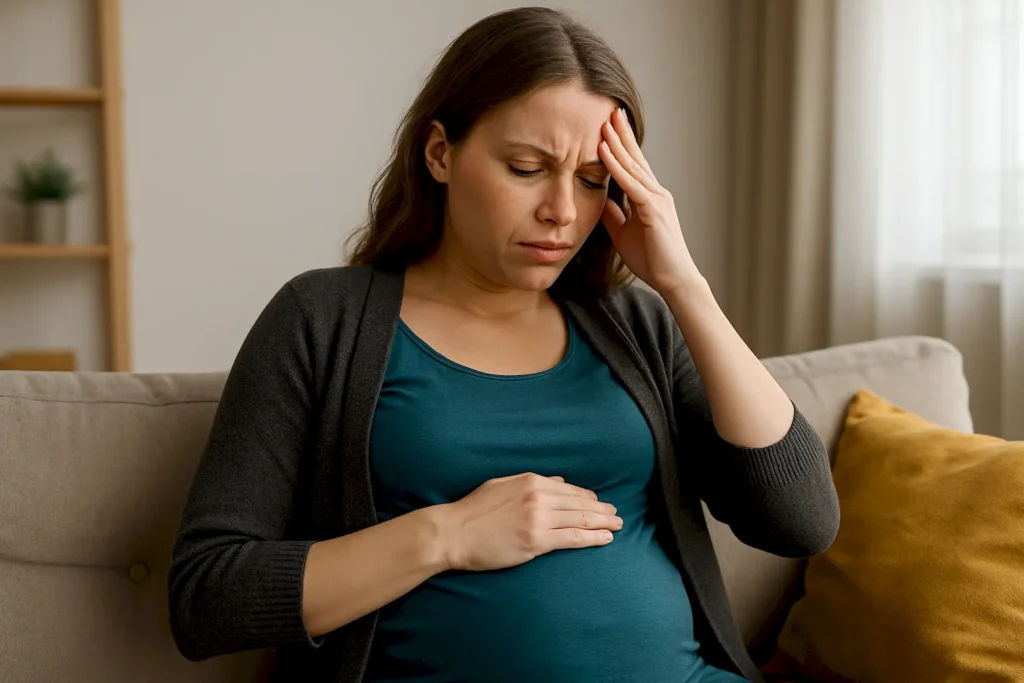
Pregnancy anxiety is a common condition that affects many expectant mothers. Understanding the causes and symptoms of anxiety during pregnancy can help women recognize when their feelings are part of normal changes or when they need support. Anxiety during pregnancy may sometimes lead to panic attacks, making it important to know how healthcare providers diagnose these symptoms, often using tools like the ICD-10 code.
Natural remedies and safe herbal options can offer relief for managing pregnancy anxiety without medication. However, certain anxiety medications are considered safe during pregnancy, but any treatment should always be discussed with a healthcare professional. Recognizing when to seek professional help for severe anxiety ensures that pregnant women receive the care and support needed during this important time.
What Is Pregnancy Anxiety?
Pregnancy anxiety refers to the feelings of unease, worry, or fear that some individuals experience during pregnancy. This form of anxiety can fluctuate throughout gestation, often stemming from the numerous physical and emotional changes occurring in a woman’s body. While some stress during this time is normal, excessive anxiety during pregnancy can impact both the mother and the developing fetus, leading to complications if not addressed.
Key Characteristics of Pregnancy Anxiety
- Constant worry about the health and well-being of the baby
- Fear of childbirth and the labor process
- Feeling overwhelmed by the changes occurring in life
- Difficulty focusing on tasks or decisions
- Physical symptoms such as rapid heartbeat or shortness of breath during pregnancy
- Changes in sleep patterns, including insomnia
Understanding pregnancy anxiety is crucial as it can manifest differently for each individual. Some may experience feelings of dread or panic, while others might present with more subtle signs, like persistent worrying. It’s important to recognize that anxiety during pregnancy can vary in intensity, and seeking support or coping strategies can be beneficial for managing these feelings effectively.
Having a support system can significantly ease the burden of pregnancy anxiety, allowing for a healthier mental state and a smoother pregnancy experience.
Addressing pregnancy anxiety through natural methods, communication, and relaxation techniques can foster a calmer demeanor during this transformative period. Recognizing the signs and understanding the implications of pregnancy anxiety can empower expectant individuals to seek help when needed, ensuring a more positive experience leading up to childbirth.
Common Symptoms of Anxiety During Pregnancy
Anxiety during pregnancy is a common experience for many women, as the anticipation of bringing new life into the world can lead to overwhelming feelings of nervousness and worry. It is essential to recognize and understand the symptoms associated with this anxiety, as they can significantly impact both the mother and the developing baby. Identifying these symptoms can help you take the necessary steps to seek support and manage your feelings effectively.
Symptoms to Watch For
- Increased Heart Rate: A racing heartbeat can be a clear indicator of anxiety during pregnancy.
- Excessive Worry: Constantly feeling worried about your health or the baby’s well-being can signal underlying anxiety.
- Restlessness: Feeling unable to relax or unwind can contribute to heightened anxiety levels.
- Sleep Disturbances: Difficulty falling asleep or staying asleep may indicate anxiety issues.
- Physical Symptoms: Headaches, digestive issues, and muscle tension often accompany anxiety during pregnancy. Headaches during pregnancy can be particularly distressing, as they are linked both to hormonal changes and anxiety.
- Negative Thoughts: Frequent negative thoughts or fears about childbirth and parenthood can be distressing.
- Social Withdrawal: A tendency to isolate from friends and family can be a coping mechanism for anxiety.
Understanding these symptoms is crucial for expecting mothers, as some may perceive these feelings as normal or transient. However, it’s important to acknowledge that persistent anxiety can lead to complications that may affect both mother and child if left unmanaged. If you notice any of the above symptoms becoming a regular part of your pregnancy experience, talking to a healthcare professional could provide you with helpful insights and coping mechanisms.
Alongside professional support, consider implementing natural remedies into your daily routine. Techniques such as mindfulness meditation, gentle exercise, and nutrition can significantly improve your overall well-being and reduce anxiety during pregnancy. Surrounding yourself with supportive friends and family members can also create a positive environment that fosters emotional stability, allowing you to enjoy this unique journey to motherhood with greater peace of mind.
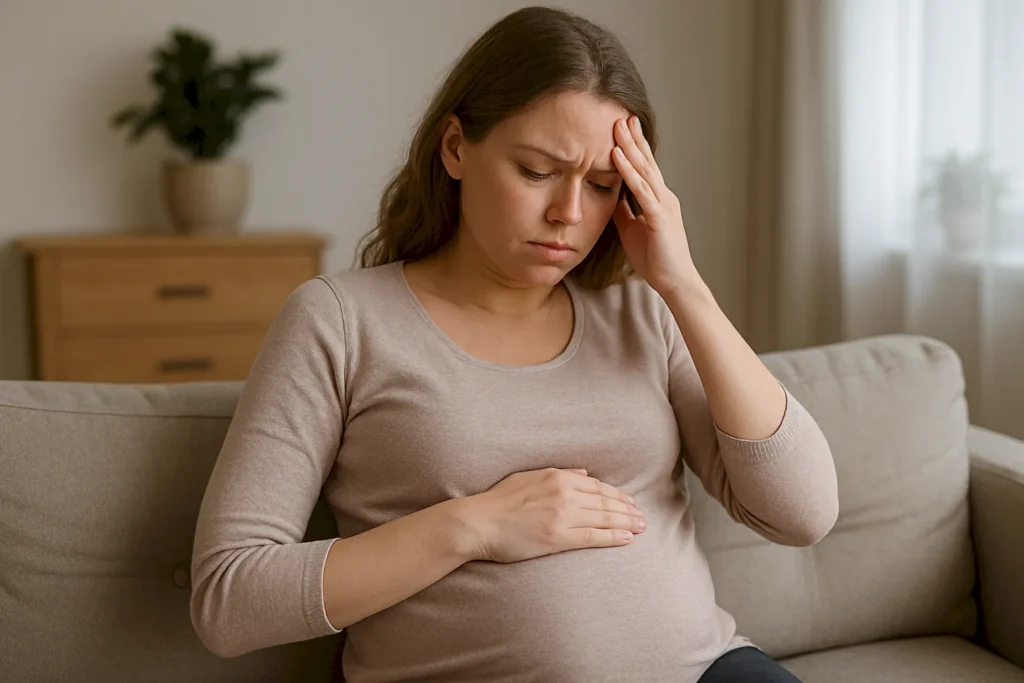
Is Anxiety Normal in Early Pregnancy?
Anxiety during pregnancy is a common experience for many expectant mothers. As your body goes through numerous changes, it’s completely natural to have feelings of uncertainty and concern. Early pregnancy is often filled with mixed emotions, including excitement and anxiety. Understanding that these feelings are normal can help you navigate the emotional landscape with greater ease.
Factors That May Contribute
- Hormonal changes affecting mood
- Concerns about the health of the baby
- Previous personal or family history of anxiety
- Major life changes and transitions
- Lack of support from partner or family
- Financial worries related to the new baby
- Fear of labor and childbirth
It’s important to note that while some level of anxiety during pregnancy can be typical, persistent or severe anxiety may warrant further attention. This could affect both your health and the well-being of your unborn child. Understanding the underlying causes of your anxiety can be crucial in finding effective coping strategies.
To address pregnancy anxiety, consider incorporating natural remedies and relaxation techniques into your routine. Practicing mindfulness, engaging in light physical activity, and maintaining a balanced diet can significantly reduce stress levels. Remember, you are not alone in this journey, and seeking support from friends, family, or professionals can also be incredibly beneficial in achieving emotional stability during this transformative time.
Can Pregnancy Cause Panic Attacks and Severe Anxiety?
Many expectant mothers experience heightened emotions and uncertainties during their pregnancy journey, leading to pregnancy anxiety that can sometimes manifest as panic attacks or severe anxiety. This heightened state of worry is often exacerbated by hormonal changes, societal pressures, and personal expectations. Understanding these feelings is an essential first step towards managing and alleviating them, paving the way for a more serene pregnancy experience.
Experts suggest that anxiety during pregnancy can affect women at varying levels, with some experiencing occasional anxious feelings, while others may face intense panic attacks. The unpredictability of pregnancy hormones can contribute to unexpected emotional fluctuations, making it crucial for pregnant women to recognize and address their feelings. Studies indicate that about 15-20% of pregnant women may experience significant anxiety. Identifying these symptoms early can lead to effective management strategies and support.
| Type of Anxiety | Symptoms | Potential Triggers |
|---|---|---|
| Generalized Anxiety | Worrying excessively, restlessness, fatigue | Life changes, financial concerns, health fears |
| Panic Attacks | Rapid heartbeat, sweating, difficulty breathing | Hormonal changes, overwhelming fear, stressful situations |
| Social Anxiety | Fear of social interactions, embarrassment | Pressure from family or friends, public perceptions |
Recognizing the difference in the types of anxiety can help expectant mothers tailor their coping strategies. For instance, those experiencing panic attacks may find techniques like deep breathing or mindfulness meditation beneficial. Additionally, surrounding oneself with supportive friends and family can create a comforting environment, easing the effects of anxiety during pregnancy. It’s important to remember that seeking help or talking to a mental health professional is a viable option for those feeling overwhelmed.
Understanding Panic Attacks in Pregnancy
Panic attacks during pregnancy can be particularly distressing, as they often strike unexpectedly. Women may feel trapped in a cycle of anxiety, where the fear of an impending panic attack can magnify their overall sense of worry. This creates a feedback loop that can be challenging to manage without appropriate support. Understanding the triggers that can lead to panic attacks can empower expectant mothers to take proactive measures in their self-care routines. Simple practices, like engaging in regular physical activity or exploring relaxation techniques, can serve as effective preemptive strikes against anxiety and panic attacks.
Ultimately, recognizing that both pregnancy anxiety and panic attacks are common experiences can be reassuring for many women. Knowledge is power, and knowing that there are natural remedies and support options available can help alleviate some worries. By taking proactive steps and maintaining open communication with healthcare providers, expectant mothers can navigate their journey with greater peace of mind.

How Is Anxiety in Pregnancy Diagnosed? (ICD-10 Code)
Diagnosing pregnancy anxiety typically involves a comprehensive evaluation by a healthcare professional. The doctor may start by discussing your symptoms and medical history, which helps to identify whether the anxiety is specific to the pregnancy or a pre-existing condition. Common symptoms of *anxiety during pregnancy* include excessive worry, restlessness, and difficulty concentrating. It is essential to provide detailed information during this discussion, as some women may exhibit physical symptoms that can resemble typical pregnancy discomforts.
| Diagnostic Method | Details | ICD-10 Code |
|---|---|---|
| Clinical Interview | A detailed conversation focusing on symptoms and feelings. | F41.9 |
| Standardized Questionnaires | Tools like GAD-7 assess anxiety levels. | F41.9 |
| Physical Examination | To rule out other medical conditions. | F41.9 |
In addition to the clinical assessment, healthcare providers may use standardized questionnaires specifically designed to evaluate anxiety levels. Tools such as the Generalized Anxiety Disorder 7-item scale (GAD-7) can help quantify the severity of anxiety symptoms. The combination of these methods allows for a precise diagnosis and ensures that appropriate care is provided. Accurate diagnosis is crucial, as untreated anxiety during pregnancy may lead to complications for both the mother and the baby.
Finally, it is important to note that the diagnosis of anxiety during pregnancy is classified under the ICD-10 code F41.9, which represents anxiety disorders not otherwise specified. This classification helps healthcare professionals provide better-focused treatment plans that address the unique challenges of pregnancy anxiety. Understanding the nuances of this condition can lead to more effective strategies and interventions tailored specifically for expectant mothers.
Natural Remedies for Anxiety During Pregnancy
Finding ways to combat anxiety during pregnancy is essential for the well-being of both the mother and the unborn child. The arrival of a new life brings joy but also a range of emotions that can sometimes feel overwhelming. It is crucial to address these feelings in a healthy manner, leaning on natural remedies that promote relaxation and peace. By embracing certain practices and lifestyle changes, expectant mothers can create a calmer environment conducive to both mental and physical health.
Effective Natural Remedies
- Deep Breathing Exercises: Practicing deep breathing techniques can help calm the mind and body, reducing stress.
- Yoga and Meditation: Engaging in prenatal yoga or mindfulness meditation promotes relaxation and connection with the baby.
- Herbal Teas: Sipping on caffeine-free herbal teas, such as chamomile, can soothe nerves.
- Aromatherapy: Utilizing essential oils like lavender in diffusers or baths can create a calming atmosphere.
- Healthy Diet: Consuming a well-balanced diet rich in fruits, vegetables, and omega-3 fatty acids supports mental health.
- Regular Exercise: Gentle exercises like walking can release endorphins, naturally enhancing mood.
- Supportive Networks: Connecting with friends, family, or pregnancy support groups can provide emotional reassurance.
Incorporating these natural remedies into daily life can significantly ease anxiety during pregnancy. Each approach can complement one another, creating a holistic strategy to handle the emotional rollercoaster of impending motherhood. Remember, it’s important to listen to your body and respond to what feels right, as every pregnancy is unique. Additionally, consulting with a healthcare professional before making significant changes to your routine is always advisable.
Maintaining a calm mindset is not just beneficial for the mother; it also impacts the baby’s development and well-being. Engaging in these natural remedies helps create a nurturing environment, allowing both mother and child to thrive. Practicing self-care through these methods lays the foundation for a positive pregnancy experience and fosters resilience against future stressors.
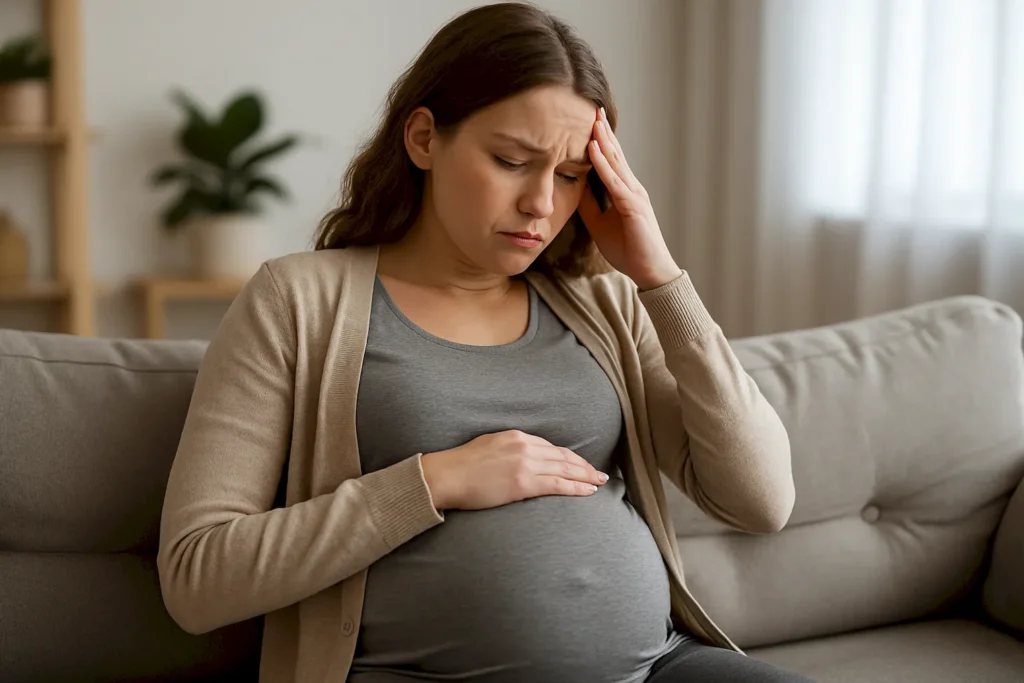
Are Herbal Remedies Safe for Pregnancy Anxiety?
Many expectant mothers experience pregnancy anxiety, which can stem from various factors including hormonal changes and fear of the unknown. While some turn to traditional therapies, others seek natural remedies to alleviate their concerns. However, it’s crucial to assess the safety and efficacy of herbal treatments during this delicate time. Safety for both the mother and baby should be the top priority when considering any form of anxiety relief.
Popular Herbal Options
- Chamomile
- Lavender
- Passionflower
- Ginger
- Valerian root
- St. John’s Wort
- Holy basil
While some herbal remedies can help ease anxiety during pregnancy, it is vital to understand that not all herbs are safe. For instance, certain herbs like St. John’s Wort can interact with other medications and may not be advisable for pregnant women. Always consult with a healthcare provider before introducing any new treatments into your routine to ensure that they are aligned with your specific health needs.
Consulting with your healthcare provider is essential for ensuring your and your baby’s safety.
In conclusion, while there are many options available for managing pregnancy anxiety naturally, caution is key. Balancing the desire for natural remedies with the need for safety is paramount. Educating oneself about the potential effects and doing thorough research can lead to more informed and safer choices during pregnancy, allowing expectant mothers to feel more at ease during this significant time in their lives.
Natural Anxiety Remedies That Are Safe for Pregnant Women
Managing anxiety during pregnancy can be challenging, but there are several safe, natural remedies to help you find relief. These methods can promote relaxation and enhance your overall well-being, allowing you to enjoy your pregnancy while minimizing anxiety symptoms. It’s essential to explore options that not only ease your worries but also ensure the safety of both mother and baby.
Safe Practices to Adopt
- Practice deep breathing exercises to calm your mind.
- Engage in gentle yoga to improve flexibility and reduce stress.
- Establish a regular sleep routine to enhance restfulness.
- Incorporate mindful meditation into your daily schedule.
- Stay connected with supportive friends and family members.
- Maintain a balanced diet rich in whole foods to nourish your body.
- Spend time in nature to rejuvenate your spirit.
In addition to adopting these safe practices, it’s beneficial to explore other holistic approaches that can alleviate anxiety during pregnancy. Techniques such as acupuncture and aromatherapy may offer significant benefits without adverse effects. For instance, using essential oils like lavender can create a calming atmosphere, while acupuncture sessions might help to balance your energy levels and relieve tension.
Furthermore, staying active can play an important role in managing pregnancy anxiety. Engaging in safe physical activities such as walking or swimming can boost your endorphins, which are chemicals in the brain that act as natural painkillers and mood elevators. Remember to consult with your healthcare provider before starting any new exercise regime to ensure it aligns with your circumstances.
Ultimately, finding the right balance is key to overcoming anxiety during pregnancy. Each woman’s experience is unique, and what works for one may not be suitable for another. Keeping an open line of communication with your healthcare team will help you understand your options better and make informed decisions that contribute to a healthier, more peaceful pregnancy.

What Anxiety Medications Are Safe During Pregnancy?
When navigating pregnancy anxiety, it is crucial for expectant mothers to carefully consider their treatment options. While some medications can help ease symptoms of anxiety during pregnancy, not all are deemed safe for use during this sensitive time. Expectant mothers should consult healthcare providers to determine the best course of action tailored to their individual needs. This ensures both the mother’s well-being and the safety of the developing fetus are prioritized.
Choosing the right anxiety medication during pregnancy requires an understanding of potential risks and benefits. Certain classes of medications, such as selective serotonin reuptake inhibitors (SSRIs), have been studied for their safety profiles in pregnancy. It is essential to weigh any potential benefits of reducing anxiety against any risks to fetal health or development. Medication should always be considered a last resort after exploring natural remedies and lifestyle changes.
| Medication Type | Safety During Pregnancy | Notes |
|---|---|---|
| SSRIs (e.g., Fluoxetine) | Generally considered safe | Monitor for potential risks on a case-by-case basis. |
| Benzodiazepines | Not recommended | Associated with fetal risks; use with caution. |
| Buspirone | Limited data | Considered a safer alternative by some practitioners. |
| Natural Remedies | Generally safe | Consult with a healthcare provider before use. |
In addition to medication, alternative therapies and lifestyle modifications can significantly aid in managing pregnancy anxiety. Practices such as yoga, mindfulness meditation, and cognitive behavioral therapy are often recommended as safe and effective methods for alleviating anxiety symptoms. These approaches not only help in reducing anxiety through relaxation techniques but also promote a healthier overall lifestyle for both mother and baby.
Comparison of Anxiety Medications
When analyzing the spectrum of anxiety medications available, it’s essential to differentiate between those deemed safe and those that pose potential risks. Medications like SSRIs often have extensive research available about their effects during pregnancy, whereas other classes, such as benzodiazepines, have raised concerns. Always consult a healthcare provider to obtain personalized recommendations based on the current state of research and your specific circumstances. Understanding the nuances between different medications allows for informed decisions that align with the health and safety of both the mother and her baby.
List of Anxiety Medications Considered Safe in Pregnancy
When it comes to managing pregnancy anxiety, it’s crucial to consider the safety of medications. Many expectant mothers experience anxiety during pregnancy, which can stem from hormonal changes, physical discomfort, or concerns about labor and motherhood. While some women may find relief through natural remedies, others might require medication to manage their symptoms effectively. Seeking guidance from healthcare professionals ensures that both the mother and baby remain safe while addressing anxiety.
| Medication | Category | Comments |
|---|---|---|
| SSRIs (e.g., Sertraline) | Category C | Generally considered safe; used for managing depression and anxiety. |
| Buspirone | Category B | May be an option for mild to moderate anxiety. |
| Clonazepam | Category D | Can be prescribed but should be used cautiously due to risks. |
| Selective serotonin reuptake inhibitors (SSRIs) | Category C | Considered safe but should be monitored for any side effects. |
It’s important to note that while some medications might be deemed safe, individual circumstances can vary significantly. Consulting with a healthcare professional is vital for any pregnant woman experiencing anxiety during pregnancy, as they can provide tailored advice and alternatives. Additionally, the potential risks and benefits of taking anxiety medication during pregnancy should be thoroughly discussed to ensure the best possible outcome for both mother and baby.

Should You Take Anxiety Medication During Pregnancy?
Deciding whether to take anxiety medication during pregnancy can be a complex and daunting choice for many expectant mothers. It is crucial to weigh the potential benefits against the risks associated with both the medication and untreated anxiety during pregnancy. While medications can provide relief, they may pose risks to fetal development or lead to complications. Therefore, it’s essential to have an in-depth discussion with your healthcare provider about your specific situation.
Considerations Before Medication
- The severity of your anxiety symptoms.
- Your medical history and any previous experiences with medication.
- The trimester of your pregnancy.
- Potential side effects of the medication.
- Non-medication coping strategies you can try first.
- Consultation with mental health professionals, if necessary.
In many cases, anxiety during pregnancy can be effectively managed through natural remedies, lifestyle changes, and support systems. Engaging in regular exercise, practicing mindfulness techniques, and maintaining a balanced diet are all beneficial in reducing anxiety symptoms. Moreover, reaching out to support networks, including friends, family, or support groups, can also alleviate feelings of isolation and promote a sense of community during this transitional period.
It is important to understand that if your anxiety symptoms become overwhelming, seeking professional help is vital. Mental health professionals can offer tailored therapies that are safe and effective for pregnant women. Therapy options, such as cognitive-behavioral therapy (CBT), can provide you with coping mechanisms and strategies to manage anxiety without the use of medication.
When to Seek Professional Help for Pregnancy Anxiety
Pregnancy anxiety can affect many expectant mothers, making it crucial to recognize when it may be time to seek professional assistance. While some level of anxiety during pregnancy is considered normal, especially in the first trimester, it can sometimes escalate to levels that interfere with daily life. If you find yourself unable to cope or your anxiety is affecting your ability to enjoy this remarkable time, it is essential to address these feelings promptly.
Signs That Indicate a Need for Help
- Persistent Worry: If your anxiety continues despite attempts at self-care and relaxation.
- Difficulty Functioning: Struggling to perform daily tasks, including work and household responsibilities.
- Physical Symptoms: Experiencing severe physical manifestations of anxiety, such as panic attacks or chronic fatigue.
- Interference in Relationships: Noticing that anxiety is impacting your connections with partner, family, or friends.
- Obsessive Thoughts: Having recurring, intrusive thoughts about the pregnancy that cause distress.
- Sleep Issues: Finding it difficult to fall asleep or stay asleep due to persistent worry.
- Seeking Excessive Reassurance: Regularly needing reassurance from medical professionals or loved ones about your health and the baby’s well-being.
Understanding when to reach out for help is vital in managing pregnancy anxiety effectively. Professional support may include therapy, counseling, or appropriate medication that poses minimal risk to your pregnancy. Additionally, professionals can provide coping strategies tailored to your unique situation, ensuring both your mental health and the health of your baby are prioritized during this crucial time.
Always remember that you are not alone, and reaching out for help is a sign of strength. The importance of addressing anxiety during pregnancy cannot be overstated, as it plays a significant role in your overall well-being and can positively influence your experience as a future parent.