Piercings during pregnancy is a common question among expectant mothers, as body changes during this time can make it difficult to know what is safe and what isn’t. If you’re thinking about getting a piercing or already have one, it’s important to understand the potential risks and considerations. While some women may choose to avoid piercings during pregnancy, others may wonder if it’s still possible. In this article, we’ll explore everything you need to know about getting piercings during pregnancy, including safety tips, expert advice, and things to keep in mind for a healthy pregnancy.
Is It Safe to Get Piercings During Pregnancy?
When considering piercings during pregnancy, it’s essential to understand both the potential risks and benefits involved. The body undergoes significant changes throughout pregnancy, which can affect how piercings heal and how your skin reacts. Many women may wonder if getting a new piercing is a safe choice while pregnant, especially if they had plans before conceiving.
Factors to Consider When Determining Safety
- Timing: Consider the best stage of pregnancy for a new piercing.
- Health Status: Ensure you are in good health and consult with a healthcare professional.
- Aftercare: Prepare for the necessary aftercare needed to avoid infection.
- Type of Piercing: Evaluate the location of the piercing and its potential impact.
- Jewelry Material: Choose hypoallergenic materials to minimize allergic reactions.
- Professional Standards: Select a reputable and licensed piercing studio.
- Personal Comfort: Be mindful of your comfort levels and how your body is changing.
Each of these factors plays a crucial role in ensuring that your experience with piercings during pregnancy is as safe as possible. It’s important to consult with your healthcare provider prior to making a decision, as they can address any concerns or precautions specific to your individual situation. While some women may feel comfortable getting a piercing during this time, others may prefer to wait until after delivery to avoid complications.
Ultimately, ensuring the health and safety of both mother and baby should be the top priority when considering any body modifications during pregnancy.
Risks of Piercings During Pregnancy You Should Know
When considering piercings during pregnancy, it is essential to be fully aware of the potential risks that may arise. Pregnancy alters hormonal balances and the body undergoes numerous changes, affecting healing and susceptibility to infections. Understanding these risks can help expectant mothers make informed decisions about body modifications during this critical period.
During pregnancy, the immune system is compromised, increasing the likelihood of complications from piercings. It is crucial to evaluate the safety of both the procedure and the jewelry materials used. The following table highlights various risks associated with piercings during pregnancy:
| Risk Factor | Description | Potential Impact |
|---|---|---|
| Infection | Higher susceptibility to bacterial infections. | May require medical intervention. |
| Allergic Reactions | Increased risk of reacting to certain metals. | Skin irritations or rashes. |
| Pain and Discomfort | Enhanced sensitivity during pregnancy. | Prolonged discomfort in the area. |
| Scarring | Risk of keloids or notable scarring. | Aesthetic concerns post-pregnancy. |
Before proceeding with any piercings during pregnancy, it’s advisable to take into consideration various factors. Among these are the possibility of having a higher pain threshold, as well as the emotional and physical changes that accompany pregnancy. Consulting with healthcare professionals beforehand ensures that any decisions made prioritize both the mother’s and the baby’s well-being.
If you’re experiencing physical discomfort such as hip pain after pregnancy, these changes could also be influenced by the body’s recovery process. For further insights, check out our article on Hip Pain After Pregnancy.
Potential Risks Associated with Piercings During Pregnancy
- Increased risk of infection at the piercing site.
- Higher likelihood of allergic reactions to jewelry materials.
- Potential for excessive scarring from improper healing.
- Possibility of pain and discomfort during the procedure and healing.
- Changes in body chemistry that may affect healing time.
- Emotional stress due to physical discomfort and medical concerns.
Emotional Considerations
Piercings can also carry emotional implications during pregnancy. Many women experience heightened sensitivity and mood swings, which could make them more vulnerable to feelings of anxiety about body changes or potential complications. Thus, it is essential to weigh the emotional benefits against the risks associated with treating oneself to new piercings amidst the myriad of changes during pregnancy. This adds another layer to consider when deciding on piercings during pregnancy.

Can You Get New Piercings While Pregnant?
When considering piercings during pregnancy, it is essential to understand the implications they may have on both the expectant mother and the developing baby. While some women may feel that adding new piercings is a way to express their evolving identity during pregnancy, there are several factors to weigh before making this decision. It’s crucial to ensure that any piercing procedure is conducted in a safe environment and with appropriate materials.
Before proceeding with new piercings, pregnant women should take extra precautions to minimize risks. The body undergoes significant changes during pregnancy, including alterations in skin sensitivity and increased blood flow, which can affect healing. Therefore, it’s advisable to consult with a healthcare provider and a professional piercer who is aware of these changes. Taking the right steps can lead to a more comfortable and safe experience.
Steps to Take Before Getting New Piercings
- Consult your healthcare provider about any risks associated with piercings during pregnancy.
- Choose a reputable professional piercer who uses sterile techniques and materials.
- Ensure that you are updated on your vaccines, particularly tetanus.
- Be aware of your body’s changes, such as increased sensitivity and slower healing.
- Consider starting with less invasive piercings in places that are easier to care for.
- Select hypoallergenic jewelry materials to reduce the risk of allergic reactions.
Ultimately, while it is possible to get new piercings during pregnancy, it’s vital to prioritize your health and the health of your baby. If complications arise or if there are second thoughts about the decision, it’s perfectly acceptable to postpone any body modifications until after the pregnancy. Remember to listen to your body and consult professionals throughout the process to ensure safety and wellness for both mother and child.
Piercings and Pregnancy: What You Need to Consider
When it comes to piercings during pregnancy, the decision requires careful consideration due to the unique changes your body undergoes. Hormonal fluctuations may lead to increased sensitivity and swelling, which could affect both the healing process of the piercing and your overall comfort. Moreover, your body’s immune system is also working overtime during pregnancy, leading to an increased risk of infection. This is why being informed is crucial before making any decisions.
Consulting with a professional piercer who has experience working with expectant mothers is advisable. They can offer insights into the safest practices and what types of piercings might be best suited for your situation. Additionally, always remember the importance of choosing high-quality materials for your jewelry; this becomes even more vital during pregnancy to avoid complications.
Key Considerations Before Getting a Piercing
- Consult with your healthcare provider about the safety of piercings during your specific pregnancy.
- Ensure you choose a reputable piercing studio that practices strict hygiene protocols.
- Consider your pain tolerance, as your sensitivity may increase during pregnancy.
- Opt for jewelry made from hypoallergenic materials to minimize irritation.
- Be aware of potential complications such as infection or allergic reactions.
- Plan for monitoring the piercing closely during your pregnancy for any signs of issues.
- Consider waiting until after delivery if you are unsure about the effects on your body.
It’s essential to also think about how certain piercings might risk complications during labor and delivery. For example, piercings in areas that could be subject to pressure or friction may need to be removed. Always prioritize your and your baby’s health and well-being when weighing your options.
Consulting with Your Healthcare Provider
Before making any decisions regarding piercings during pregnancy, it’s crucial to speak with your healthcare provider. They can advise you on whether it’s safe based on your medical history and the specifics of your pregnancy. Discuss any concerns you have regarding pain, infection risks, and healing times. Your provider can help you weigh the pros and cons, making sure that your choices align with your overall health goals for you and your baby.
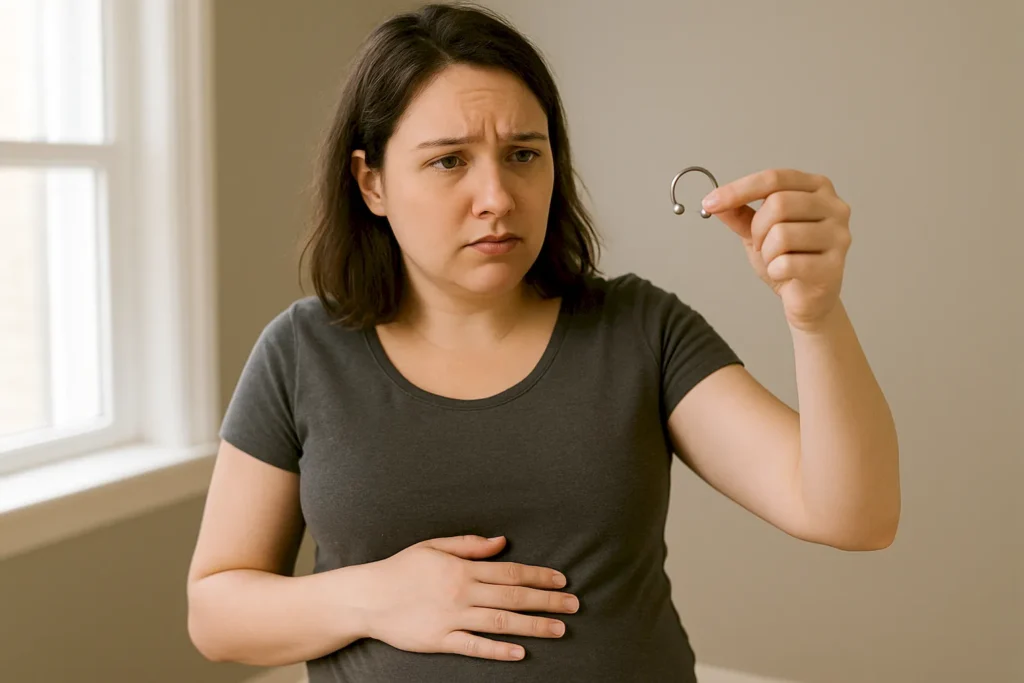
Can You Get a Belly Button Piercing While Pregnant?
While many women might be curious about the possibility of getting a belly button piercing during pregnancy, it’s essential to consider the risks involved. The body goes through numerous changes, and these alterations can affect both the healing process and the overall safety of receiving a piercing. Strongly consulting with a healthcare provider is recommended before making any decisions regarding body modifications during this delicate time.
Reasons to Avoid Belly Button Piercing During Pregnancy
- Increased risk of infection due to a compromised immune system.
- Potential for skin stretching as the belly grows, which can lead to pain or irritation.
- The likelihood of the piercing becoming embedded or migrating as the skin changes.
- Difficulties in properly cleaning and caring for the piercing while pregnant.
- Possible complications during labor and delivery if the piercing becomes irritated.
- Personal discomfort or skin sensitivity that can increase as pregnancy progresses.
- Emotional fluctuations may lead to regret about the decision after the piercing is done.
These factors highlight why it is often advised to avoid belly button piercings during pregnancy. Additionally, some women report heightened sensitivity around the abdomen during pregnancy, making any piercing potentially more painful than expected. Prioritizing your health and well-being, as well as that of your baby, should always come first when considering piercings during pregnancy.
How Pregnancy Affects Piercings: What You Should Know
During pregnancy, a woman’s body undergoes many changes, which can impact existing piercings and any new ones considered. One significant factor is hormonal fluctuations that can affect skin elasticity and overall healing. These changes can make it more challenging for piercings to heal properly or remain irritation-free. This is particularly crucial to understand, as the body’s immune system becomes more sensitive during this time, which increases the risk of complications.
| Factors | Impact on Piercings | Considerations |
|---|---|---|
| Hormonal Changes | Increased sensitivity; potential for infections | Monitor for irritation or redness |
| Weight Gain | Stretching of skin can affect piercings | Be cautious with tight clothing around piercings |
| Immune System | Higher likelihood of complications | Prioritize hygiene and cleaning routines |
| Position of Piercings | Changing body shape may cause discomfort | Avoid piercings in areas prone to friction |
When considering piercings during pregnancy, it’s essential to weigh the benefits and risks carefully. Some women may experience significant changes in their skin, leading to potential complications such as stretching or infection. To ensure safety, it may be wise to delay any new piercings until after childbirth. Furthermore, existing piercings may require more care and attention during this phase of life.
Effects of Pregnancy on Piercings
- Increased blood flow can lead to swelling around piercings.
- Changes in skin type may lead to dryness or irritation.
- Body temperature fluctuations can cause overheating in certain areas.
- Potential for increased keloid formation on healing skins.
- New weight distribution affecting piercing positions.
- Changes in personal hygiene habits during pregnancy.
- Emotional fluctuations may change perceptions of body image.
In conclusion, pregnancy presents various challenges for those with piercings or considering them. Understanding these challenges can help ensure a safe and healthy experience. Remember, consulting with a healthcare professional or a professional piercer is always advisable before making any decisions regarding piercings during this important time.