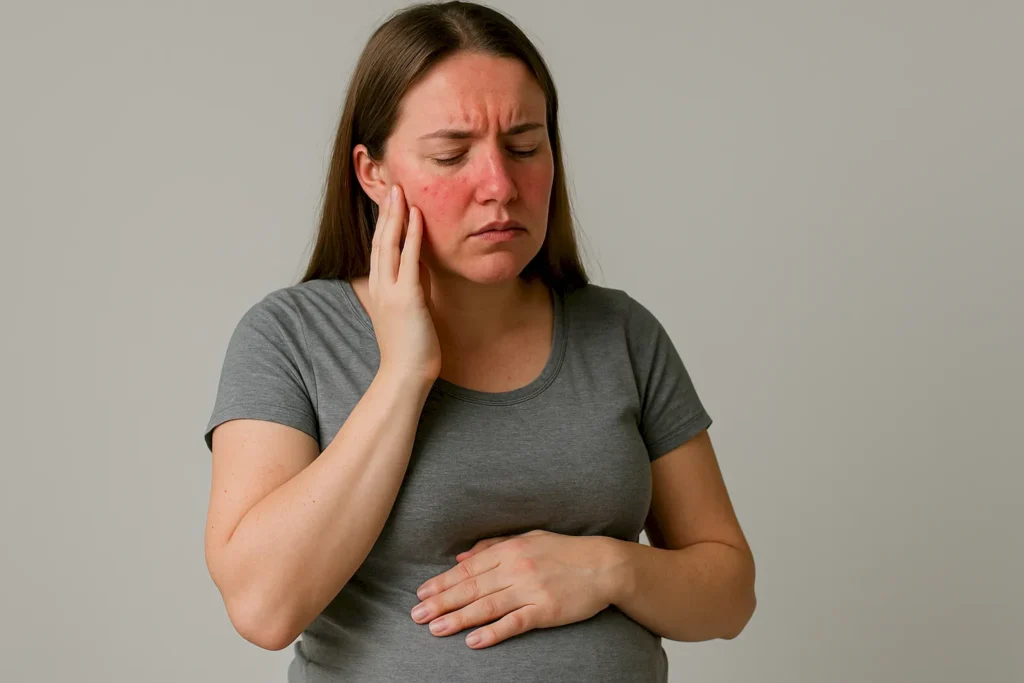
Perioral dermatitis pregnancy can be a frustrating and confusing condition, especially when it develops during a time when your body is already going through so many changes. Often triggered by hormonal shifts, stress, or even certain skincare products, this rash-like irritation around the mouth can add extra discomfort to your pregnancy journey. Understanding the causes, symptoms, and safe treatment options is the first step to managing perioral dermatitis pregnancy effectively while keeping both you and your baby safe.
Understanding Perioral Dermatitis During Pregnancy: An Overview
Perioral dermatitis is a common skin condition that can pose challenges during pregnancy. This inflammatory skin disorder often appears as red, bumpy rashes around the mouth and sometimes even extends to the nose and eyes. The exact cause of perioral dermatitis during pregnancy is not entirely understood, but hormonal changes and increased skin sensitivity can contribute to its development. Managing this condition becomes essential, particularly because certain topical treatments may not be safe during pregnancy.
Key Points to Consider
- Hormonal fluctuations: Pregnancy induces various hormonal changes, potentially triggering perioral dermatitis.
- Skin care products: Some ingredients in skincare products could exacerbate the condition; consult a dermatologist for safe options.
- Symptoms: Look for red bumps, scaling, and itchiness around the mouth as key signs of this condition.
- Potential triggers: Avoiding toothpaste with fluoride, heavy creams, and irritating substances can help.
- Stress management: Stress during pregnancy may worsen skin conditions, so finding effective coping strategies is vital.
- Diet considerations: A balanced diet rich in vitamins may support skin health and overall well-being.
- Consult healthcare professionals: Always seek guidance from doctors or dermatologists for personalized treatment plans.
Understanding perioral dermatitis during pregnancy is crucial for any expectant mother facing this issue. While it can be distressing, awareness and management of triggers significantly improve outcomes. By maintaining a dialogue with healthcare providers and adhering to safe skincare practices, pregnant individuals can effectively navigate this condition and protect their skin health during this important phase of life.
Symptoms And Causes Of Perioral Dermatitis In Pregnancy
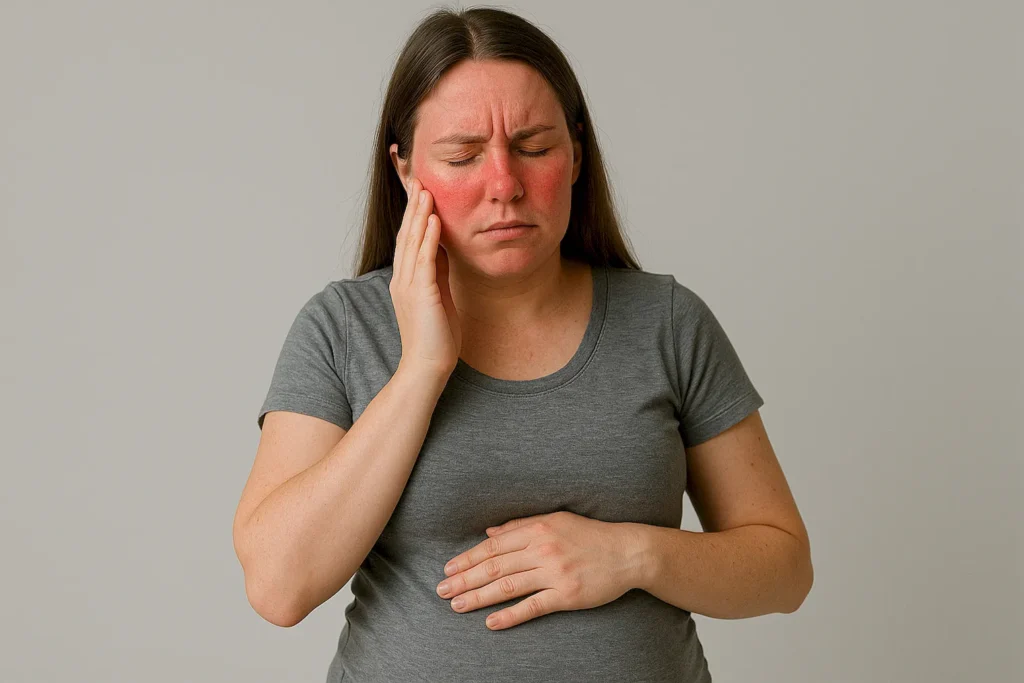
Perioral dermatitis during pregnancy can be a concerning condition for many expecting mothers. Understanding the symptoms associated with this skin issue is essential for early recognition and management. The appearance of small, red, inflamed bumps around the mouth, nose, and sometimes the eyes can lead to discomfort and worry. It is vital to differentiate this condition from other skin irritations to ensure proper care and treatment during pregnancy.
| Symptom | Characteristics | Duration |
|---|---|---|
| Red Bumps | Inflamed, small, and often itchy | Days to weeks |
| Dryness | Flaky skin around the affected areas | Varies |
| Burning Sensation | Discomfort when applying products | Short-term |
| Bumps Persisting | Can linger or reappear after treatment | Weeks |
Understanding the common symptoms of perioral dermatitis can greatly aid in identifying potential outbreaks. The skin’s sensitivity during pregnancy can heighten the chances of developing this condition. If experiencing any of the symptoms, it is crucial to consult with a healthcare provider for tailored advice and treatment options specific to pregnancy.
Common Symptoms
- Red Bumps: Small, inflamed lesions primarily around the mouth.
- Dry Patches: Skin may appear flaky or rough.
- Itching: Itchy sensations can accompany the redness.
- Burning Sensation: Discomfort when applying skincare products.
- Crusting: In some cases, lesions may ooze and crust over.
- Swelling: The surrounding skin may show signs of puffiness.
Causes of Outbreak
The causes of perioral dermatitis during pregnancy can be multifaceted. Hormonal changes associated with pregnancy can lead to increased oil production and skin sensitivity, thereby triggering this condition. Additionally, certain topical products, such as those containing corticosteroids or irritants, may contribute to outbreaks.
Environmental factors may also play a significant role. For instance, fluctuations in temperature or humidity can aggravate this skin condition, leading to more frequent flare-ups during pregnancy. Recognizing these causes can help in formulating effective prevention and management strategies.
Practical Treatment Options For Perioral Dermatitis During Pregnancy
Managing perioral dermatitis during pregnancy requires careful consideration of treatment options, as expectant mothers need to prioritize both their health and the safety of their developing baby. It is essential to consult with a healthcare provider to determine the best approach tailored to individual needs. Treatment often includes a combination of topical and non-topical remedies that are safe for use during pregnancy.
| Treatment Method | Effectiveness | Notes |
|---|---|---|
| Gentle Cleansers | Moderate | Helps reduce irritation |
| Topical Antibiotics | High | Consult your doctor for suitable options |
| Non-comedogenic Moisturizers | Moderate | Hydrates without clogging pores |
| Avoiding Triggers | Variable | Identifying personal triggers is critical |
Additionally, lifestyle modifications can play a significant role in managing symptoms of perioral dermatitis. These might include dietary adjustments, stress management, and adequate hydration. Maintaining a balanced approach can facilitate skin recovery during this critical time. Always remember to introduce changes gradually and under medical supervision.
Recommended Treatment Methods
- Use gentle, fragrance-free cleansers to minimize irritation.
- Incorporate topical antibiotics per doctor’s advice for effective management.
- Select non-comedogenic moisturizers to maintain skin hydration.
- Limit harsh skincare products that may exacerbate the condition.
- Identify and avoid individual triggers such as spicy foods or certain cosmetics.
Topical Treatments
Topical treatments are often the first line of defense against perioral dermatitis during pregnancy, especially for pregnant women. Mild topical antibiotics, such as clindamycin or erythromycin, can be effective in reducing inflammation and eradicating the bacteria associated with the rash. However, it’s imperative to consult with a healthcare provider before starting any medication during pregnancy. They can provide personalized recommendations based on your specific health needs while ensuring the treatment’s safety for both you and your baby.
“Always consult your physician when considering treatments during pregnancy to ensure safe and effective care.”
Over-the-counter options like hydrocortisone creams may also provide temporary relief; nevertheless, they should be used with caution and only under guidance from your healthcare provider. It is crucial to remember that not all treatments are safe during pregnancy, and individual responses to treatment may vary significantly.
Preventive Strategies For Perioral Dermatitis While Pregnant
When it comes to managing perioral dermatitis during pregnancy, prevention is key. While it can be challenging to navigate skincare routines and lifestyle choices, implementing careful strategies can significantly reduce the risk of flare-ups. Pregnant women should be particularly cautious about their choices, as certain treatments may not be safe during this sensitive time. Prioritizing gentle, non-irritating products while being mindful of environmental triggers will help keep the skin calm and healthy.
Steps To Follow
- Identify and avoid known irritants, such as harsh facial cleansers and skin products containing alcohol.
- Maintain a consistent skincare routine that includes gentle, hydrating moisturizers.
- Avoid using topical steroids, which can exacerbate the condition.
- Limit the use of makeup, especially heavy or oil-based products.
- Stay hydrated by drinking plenty of water and eat a balanced diet rich in vitamins.
- Manage stress through relaxation techniques or prenatal yoga, as stress can worsen skin conditions.
Another effective strategy for preventing perioral dermatitis during pregnancy involves being cautious about changes in hormonal levels. Hormones can affect skin sensitivity and may trigger flare-ups. Thus, monitoring skin reactions to hormonal fluctuations can be beneficial. Additionally, keeping the skin clean and avoiding excessive touching of the face can play a critical role in minimizing irritation. By implementing these preventive strategies, pregnant women can better manage their skin health and reduce the likelihood of developing perioral dermatitis.
Final Thoughts On Managing Perioral Dermatitis During Pregnancy
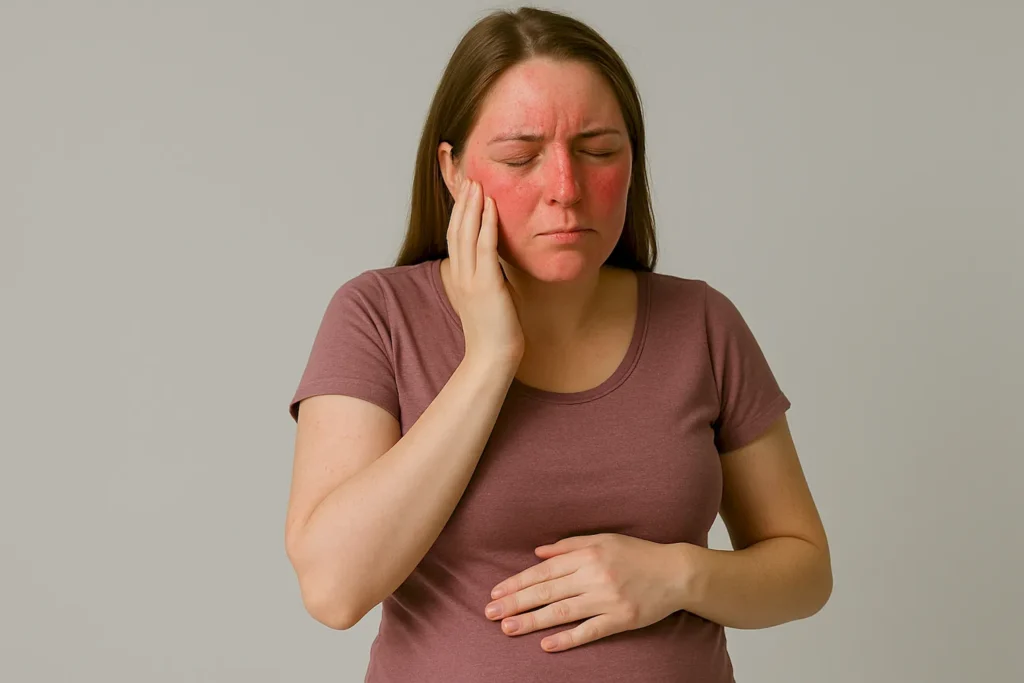
Managing perioral dermatitis pregnancy can be challenging, but with the right approach, expectant mothers can minimize discomfort and improve their skin health. It’s essential to consult with a healthcare provider to tailor treatment plans specific to individual needs. In addition to medical advice, adopting gentle skincare routines and being mindful of triggers can significantly aid in managing this condition. Pregnancy is a unique time when hormonal changes can exacerbate skin issues, making it even more crucial to address any concerns as they arise.
Key Takeaways
- Recognize the symptoms of perioral dermatitis early for timely intervention.
- Opt for gentle skincare products to avoid exacerbating the condition.
- Stay hydrated and maintain a balanced diet to support skin health.
- Limit the use of topical steroids unless prescribed by a doctor.
- Consider natural remedies, but always discuss with a healthcare professional first.
- Monitor your skin’s reactions and adjust care routines accordingly.
- Stay informed and engaged in discussions with your healthcare provider about any changes.
By understanding the nuances of perioral dermatitis during pregnancy, women can feel more empowered to take control of their skincare. Building a solid support network, including healthcare professionals and possibly even support groups, can provide additional guidance and reassurance throughout this journey. Remember, each pregnancy is unique, and what works for one individual may not work for another, so personalized care is key.
In conclusion, managing Perioral Dermatitis during Pregnancy requires careful attention to triggers and treatment options. For more helpful information, we recommend exploring our article on Discharge Before Period vs Early Pregnancy to further understand how pregnancy symptoms can overlap.