

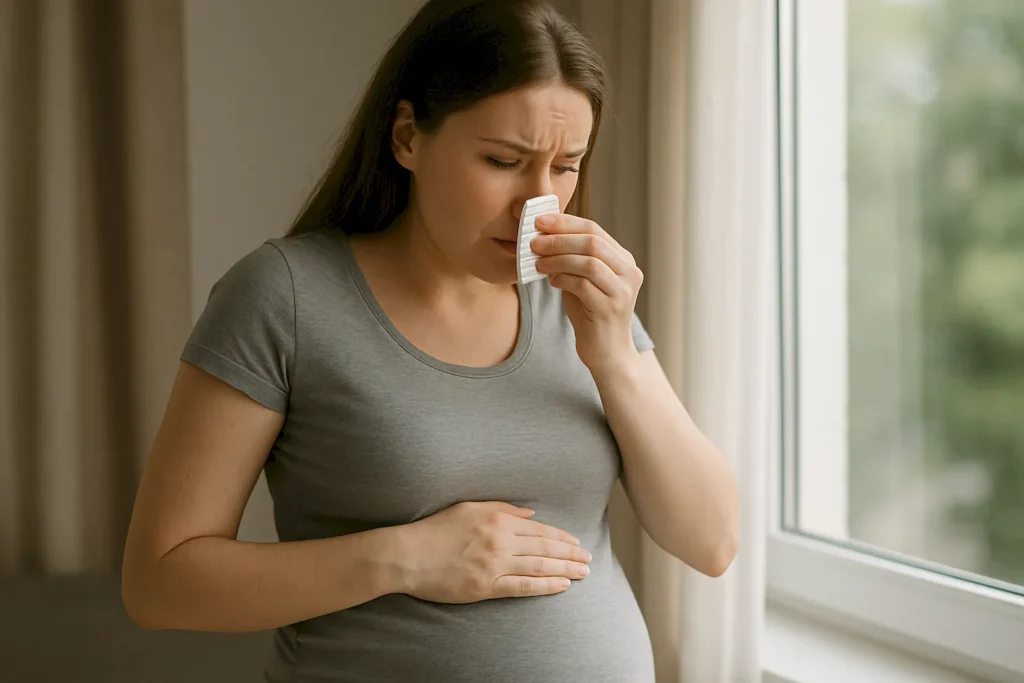
Nose bleed during pregnancy is a surprisingly common symptom that can catch many expecting moms off guard. While it might seem alarming at first, especially if you’ve never experienced frequent nosebleeds before, it’s usually a harmless part of the body’s response to pregnancy changes. Increased blood volume, hormonal shifts, and dryness in the nasal passages can all contribute to this condition. In this article, we’ll explore why nosebleeds occur during pregnancy, when to seek medical advice, and how you can manage them safely at home.
What Causes Nosebleeds During Pregnancy?
Nosebleeds, commonly referred to as nose bleeds during pregnancy, can be an unsettling experience for expectant mothers. These episodes usually arise due to an increase in blood volume and hormonal changes that occur throughout pregnancy. As the body adapts to support the growing fetus, the blood vessels, particularly those in the nasal passages, become more vascular and prone to ruptures, resulting in nosebleeds (or nosebleeds) that can range from mild to severe.
Common Causes of Nosebleeds During Pregnancy
- Hormonal changes
- Increased blood volume
- Dry air and nasal mucosa
- Allergies or sinus infections
- Nasal trauma or irritation
- High blood pressure
- Medications affecting blood clotting
Additionally, environmental factors, such as exposure to dry air or allergens, can exacerbate these conditions, leading to increased frequency of nosebleeds. It’s important to recognize that while nosebleeds can be concerning, they are often benign. However, understanding the underlying causes can empower pregnant women to manage and potentially minimize these occurrences.
In most cases, nosebleeds during pregnancy are not a cause for alarm, but staying informed can help in dealing with them effectively.
Monitoring any additional symptoms that accompany nosebleeds is essential, as they could indicate other health issues. If the bleeding is persistent or severe, it is advisable to seek guidance from a healthcare professional to ensure both maternal and fetal well-being. Recognizing when to consult a doctor is vital for a safe and healthy pregnancy experience.
Are Nosebleeds Normal in Pregnancy?
Nosebleeds are a common concern for many pregnant women, often leading to questions about their safety and implications. The hormonal changes that occur during pregnancy can increase blood flow and alter the blood vessels in the nasal passages, making them more susceptible to bleeding. For many, experiencing a nose bleed during pregnancy may seem alarming, but it is often a normal symptom that arises due to these physiological changes.
It is important to differentiate between normal occurrences and signals that may require medical attention. Keeping an eye on specific signs can help in understanding whether a nosebleed is typical or if it warrants further investigation.
Being informed about your body during pregnancy is crucial for both your well-being and that of your baby.
Signs That Indicate Normality
Recognizing the signs that indicate a nosebleed is normal can significantly ease anxiety for expectant mothers. Here are some common indicators:
- The nosebleed is brief and resolves on its own.
- There is minimal blood loss without severe symptoms.
- The nosebleed occurs during the dry season or in an arid environment.
- The individual has a history of nosebleeds prior to pregnancy.
- The bleeding is not accompanied by other concerning symptoms like high fever or dizziness.
Understanding these signs can provide reassurance, but always consult a healthcare professional if you have any concerns about nosebleeds during your pregnancy.

Are Nosebleeds Harmful for the Baby or Mother?
Nosebleeds during pregnancy, while often alarming, are generally not harmful to either the mother or the developing baby. During pregnancy, hormonal changes and increased blood volume can lead to a dry nasal membrane, resulting in nosebleeds. While the experience can be uncomfortable, the harmful effects on mother and baby are usually minimal. However, it’s essential to monitor the frequency and severity of these nosebleeds.
In rare cases, frequent nose bleed during pregnancy can indicate underlying health issues, such as high blood pressure or clotting disorders, which may require medical attention. Expectant mothers should always communicate with their healthcare provider if they notice an increase in the severity or frequency of nosebleeds. Understanding the context of a nose bleed during pregnancy can help alleviate concerns about its potential impact on overall health during pregnancy.
| Concern | Potential Impact | Recommendations |
|---|---|---|
| Frequent Nosebleeds | Can indicate an underlying health issue | Consult a healthcare provider |
| Severe Nosebleeds | May lead to excessive blood loss | Monitor symptoms and seek medical help |
| Stress and Anxiety | May exacerbate nosebleeds | Practice relaxation techniques |
| Environmental Factors | Dry air can worsen symptoms | Use a humidifier |
Potential Risks for Mother and Baby
- Increased blood pressure
- Allergic reactions leading to nasal irritation
- Use of medications that could affect hay fever or nasal congestion
- Infection from nasal trauma during nosebleed
- Dehydration due to blood loss
- Psychological stress impacting both mother and baby
- Other underlying medical conditions
While a nose bleed during pregnancy is common and can often be harmless, it’s crucial for pregnant women to stay informed about the potential risks associated with them. Paying attention to any unusual changes, keeping track of their frequency, and discussing them with a health professional can help ensure a safe pregnancy. If you have any concerns regarding severe or persistent nosebleeds, do not hesitate to seek advice from your healthcare provider for personalized guidance.
How to Stop a Nosebleed Safely While Pregnant
Nosebleeds, or epistaxis, can be a common occurrence during pregnancy due to hormonal changes and increased blood volume. However, experiencing a nose bleed during pregnancy can be concerning for many expectant mothers. It is essential to know how to manage a nosebleed safely, ensuring both your wellness and that of your baby. The steps you take during a nosebleed can have an impact on your overall comfort and peace of mind during this crucial time.
Steps to Safely Stop a Nosebleed
- Stay calm: Panicking can increase blood pressure and exacerbate the situation.
- Sit up straight: Keeping your head elevated helps reduce blood flow to your nose.
- Pinch your nostrils: Using your thumb and index finger, firmly pinch your nostrils together for about 10 minutes.
- Breathe through your mouth: While pinching, remember to breathe through your mouth to avoid discomfort.
- Apply a cold compress: Place a cold pack or a cloth with cold water on the back of your neck to constrict blood vessels.
- Do not tilt your head back: This can lead to blood flowing down the throat, which could cause nausea.
- Seek medical advice if needed: If the bleeding lasts longer than 20 minutes or is excessive, consult your healthcare provider.
Understanding the right steps to take during a nose bleed pregnancy helps you manage the situation effectively. After applying these techniques, it’s advisable to avoid strenuous activity and heavy lifting for a few hours. Ensure that you stay hydrated, as proper hydration can contribute to overall nasal health. Additionally, using a humidifier or saline nasal spray can help maintain moisture in your nasal passages, potentially preventing further nosebleeds.
“Taking timely action during a nosebleed can provide peace of mind for expectant mothers.”
As nosebleeds can sometimes be an indicator of underlying issues, it’s crucial to be mindful of any recurrent episodes. If frequent nosebleeds occur, discussing this with your healthcare provider can help ensure that all aspects of your pregnancy are monitored closely. Being proactive not only supports your health but also creates a more relaxed pregnancy experience.

When Should You See a Doctor for Nosebleeds During Pregnancy?
Nose bleeds during pregnancy are relatively common due to hormonal changes and increased blood flow, but it’s crucial to understand when they may require medical assistance. If you experience frequent nosebleeds or find them particularly severe, it’s essential to consider the context and accompanying symptoms. While most nosebleeds are benign, certain signs may indicate a need for professional evaluation.
Indicators for Seeking Medical Help
- Frequent or recurrent nosebleeds
- Nosebleeds that last longer than 20 minutes
- Severe bleeding that soaks through a tissue
- Accompanied by other symptoms like dizziness or fainting
- Blood in vomit or stool
- High blood pressure or any known bleeding disorders
- Any unusual changes in your health status
It’s essential for pregnant women to remain vigilant and proactive about their health. Should you experience any of these indicators, seeking medical help ensures both your safety and that of your baby. Remember, while nose bleeds during pregnancy can be common, understanding your body and knowing when to talk to a healthcare provider is crucial for maintaining your well-being.
Preventing Nosebleeds While Pregnant: Tips and Home Care
Experiencing a nose bleed during pregnancy can be a common occurrence due to hormonal changes that affect the blood vessels. However, preventative measures can significantly reduce the frequency and severity of these incidents. Understanding the factors that contribute to this condition is essential for expectant mothers. Implementing simple lifestyle adjustments can enhance overall well-being and comfort during pregnancy.
One of the first steps in preventing a nose bleed during pregnancy is to maintain proper hydration. Staying hydrated helps maintain the moisture of the nasal passages. Additionally, consider using a humidifier in your home, particularly during dry seasons. These measures can help keep your nasal tissues from becoming too dry and prevent them from cracking. Keeping your fingers away from your nose is also crucial in minimizing irritation and potential bleeding.
Practical Tips for Prevention
- Stay hydrated by drinking plenty of water.
- Use a humidifier to add moisture to the air.
- Avoid picking your nose or nose blowing.
- Consider blowing your nose gently.
- Try saline nasal sprays to keep passages moist.
- Limit exposure to harsh chemicals and allergens.
- Incorporate a balanced diet rich in vitamins K and C.
In addition to these preventive measures, it is essential to monitor your environment and habits. Keeping the air moist and avoiding irritants can significantly help in reducing the risk of nosebleeds. If you require medications or treatments for allergies, consult your healthcare provider to ensure they are safe during pregnancy. Additionally, avoid exposure to situations that may contribute to nasal dryness, such as excessive heat or air conditioning.
Home Care Strategies
When dealing with a nose bleed during pregnancy, home care strategies can be very effective. First, remember to sit upright and lean forward to minimize swallowing blood. Applying gentle pressure to the nostrils can help stop the bleeding. This position aids in keeping the airways clear and reduces the risk of choking. Additionally, placing a cold compress over the nose and forehead can reduce swelling and constrict blood vessels, promoting quicker recovery. Always consult your healthcare professional if nosebleeds persist or if you have concerns related to your nosebleeds during pregnancy.
Can Nosebleeds Indicate an Underlying Health Problem?
Nosebleeds during pregnancy are often common and can be attributed to various factors, such as hormonal changes and increased blood volume. However, it is essential to be vigilant, as these incidents can sometimes indicate an underlying health problem. While most nosebleeds are benign, persistent or severe cases may warrant further investigation, especially if accompanied by other symptoms.
| Potential Causes | Symptoms | Recommended Action |
|---|---|---|
| Dry Air | Dryness in the nasal passages | Use a humidifier |
| Allergic Reactions | Itching or runny nose | Avoid allergens and consult with a doctor |
| High Blood Pressure | Headaches or dizziness | Monitor blood pressure; see a healthcare provider |
| Blood Disorders | Excessive bleeding from minor injuries | Seek medical testing and advice |
It is important for pregnant women experiencing frequent nosebleeds to consider factors that could contribute to their condition. While many instances are harmless and related to pregnancy changes, any significant alterations or patterns should not be ignored. Consulting a healthcare professional can help determine the cause and rule out any serious issues that may be at play.
In some cases, frequent nosebleeds may also be associated with anemia in pregnancy, especially if there is notable blood loss over time, making it important to monitor iron levels during routine check-ups.
Health Issues Related to Nosebleeds
- Blood pressure fluctuations
- Underlying blood clotting disorders
- Chronic sinus infections
- Allergies or respiratory irritants
- Excessive use of blood thinners
- Anemia or other hematologic conditions
In conclusion, while experiencing a nose bleed during pregnancy is typically not a cause for alarm, it is crucial to pay attention to the body’s signals. Nosebleeds can sometimes signify more serious health conditions, and remaining proactive about health can help ensure the well-being of both mother and baby. If concern arises, particularly if accompanied by other symptoms, seeking medical advice is always recommended.
Nose Bleed in Pregnancy Third Trimester
Nosebleeds can be quite common during pregnancy, particularly in the third trimester. During this stage, the body undergoes significant changes, including increased blood volume and hormonal fluctuations, which can contribute to the occurrence of a nose bleed during pregnancy. The delicate blood vessels in the nasal passages may become more prone to rupture, leading to bleeding. Additionally, the increased pressure in the cardiovascular system can cause frequent nosebleeds, giving expectant mothers additional concern during this critical period.
While experiencing a nose bleed during pregnancy can be alarming, it is often not a cause for concern. Most nosebleeds are harmless, especially if they occur infrequently and are mild in nature. However, understanding the underlying causes is essential for managing symptoms effectively. Common triggers during the third trimester include dry air, allergies, and nasal congestion. Maintaining a humid environment and using saline nasal sprays may help alleviate dryness and minimize the occurrence of nose bleed during pregnancy.
If nosebleeds become frequent or are accompanied by other symptoms like severe headaches during pregnancy or excessive swelling, it is crucial to consult a healthcare provider. These could indicate underlying health issues that may require attention. Your doctor can help determine if further evaluation is necessary and can offer tailored advice and treatments that are safe for both you and your baby during this stage of pregnancy.
In the third trimester, it’s essential to stay aware of your body’s needs and symptoms. While a nose bleed during pregnancy is common and often benign, ensuring proper self-care and being mindful of environmental factors can make a significant difference. Incorporating preventive measures, such as staying hydrated and maintaining a healthy environment, can reduce the frequency of nosebleeds. It’s always best to prioritize comfort and safety, making routine check-ups vital for staying informed about your health and that of your baby.


