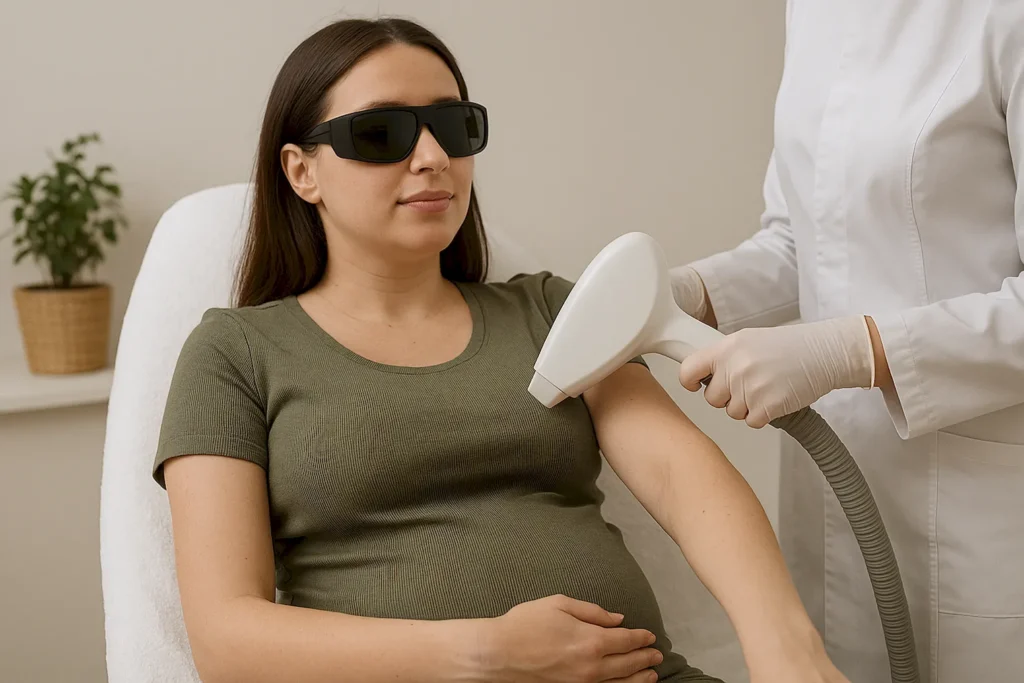
Laser hair removal during pregnancy is a common concern for many expectant mothers. Questions often arise about the safety of laser hair removal pregnancy and whether the procedure could harm the baby. Understanding what medical experts say and knowing the best time to consider this treatment are crucial. Additionally, exploring alternative hair removal methods and practical tips can help pregnant women manage unwanted hair safely. This guide covers how laser hair removal works, its effects during pregnancy, and what to expect, providing clear answers to the most common questions for those navigating hair removal while expecting.
Is Laser Hair Removal Safe During Pregnancy?
When considering laser hair removal during pregnancy, it is crucial to understand how hormonal changes can affect your skin sensitivity and overall health. Pregnancy often leads to increased melanin production, which can heighten the risk of skin pigmentation changes after laser treatment. These hormonal shifts can also trigger common skin conditions such as pregnancy acne, further increasing skin sensitivity and affecting how your skin may react to the procedure. While the technology used in laser hair removal has advanced significantly, the safety of the procedure during pregnancy remains a point of concern for many women.
Key Considerations for Safety
- Consult with your healthcare provider before proceeding.
- Consider the timing; many recommend waiting until after pregnancy.
- Evaluate the risks versus benefits specific to your pregnancy.
- Assess your skin’s sensitivity before the procedure.
- Ensure that the treatment is performed by a qualified professional.
- Be aware of alternative hair removal methods suitable for pregnancy.
- Monitor any adverse skin reactions post-treatment closely.
Another concern is the potential for heat generated during the laser hair removal process to negatively affect both the mother and baby. While there are no definitive studies confirming that laser treatments can harm the fetus, it’s wise to err on the side of caution. Many professionals suggest postponing laser hair removal pregnancy procedures until after childbirth to eliminate any uncertainties regarding safety and health risks.
Ultimately, the decision to proceed with laser hair removal during pregnancy should be taken after thorough consultation with medical professionals. Every pregnancy is unique, and individual circumstances must be considered when weighing the safety and efficacy of this hair removal technique. Women should ensure they are well-informed before making such decisions to promote both their health and the health of their unborn child.
What Are the Risks of Laser Hair Removal While Pregnant?
When considering laser hair removal during pregnancy, it is essential to understand the potential risks involved. The hormonal changes that occur during pregnancy can affect your skin’s sensitivity, making it more susceptible to reactions. While some women may experience no side effects, others could have adverse reactions that lead to discomfort or further complications.
Additionally, due to the limited research on the safety of this procedure for expectant mothers, dermatologists often advise caution. The electromagnetic radiation produced by laser hair removal devices is a concern, although studies have not definitively proven harm to the fetus. Nevertheless, it remains crucial for pregnant women to weigh the risks and benefits thoroughly.
Potential Risks Involved
- Skin Sensitivity: Increased sensitivity may lead to burns or irritation.
- Hormonal Changes: Hormonal fluctuations can alter hair growth patterns, making treatments less effective.
- Potential Scarring: The risk of scarring or pigmentation changes is higher during pregnancy.
- Increased Pain: Pain levels during treatment can be heightened due to hormonal influence.
- Infections: Any skin damage can increase the risk of infections.
- Unpredictable Results: Results may vary, requiring additional sessions.
- Psychological Stress: Worrying about the risks could lead to unnecessary stress for the pregnant woman.
Furthermore, it’s important to note that while laser hair removal during pregnancy might seem like a time-saving option, prioritizing the health and safety of both the mother and the baby should come first. Consulting with healthcare professionals can help mothers-to-be make informed choices, ensuring that they consider both personal comfort and potential risks.
In conclusion, while many women seek effective and lasting solutions for hair removal during pregnancy, it’s crucial to remain cautious. Taking time to explore all alternatives and to consult with medical professionals can provide valuable insight. Always consider the *risks of laser hair removal* and be prepared for the possibility that this may not be the best time for such treatments.
Can Laser Hair Removal Harm the Baby?
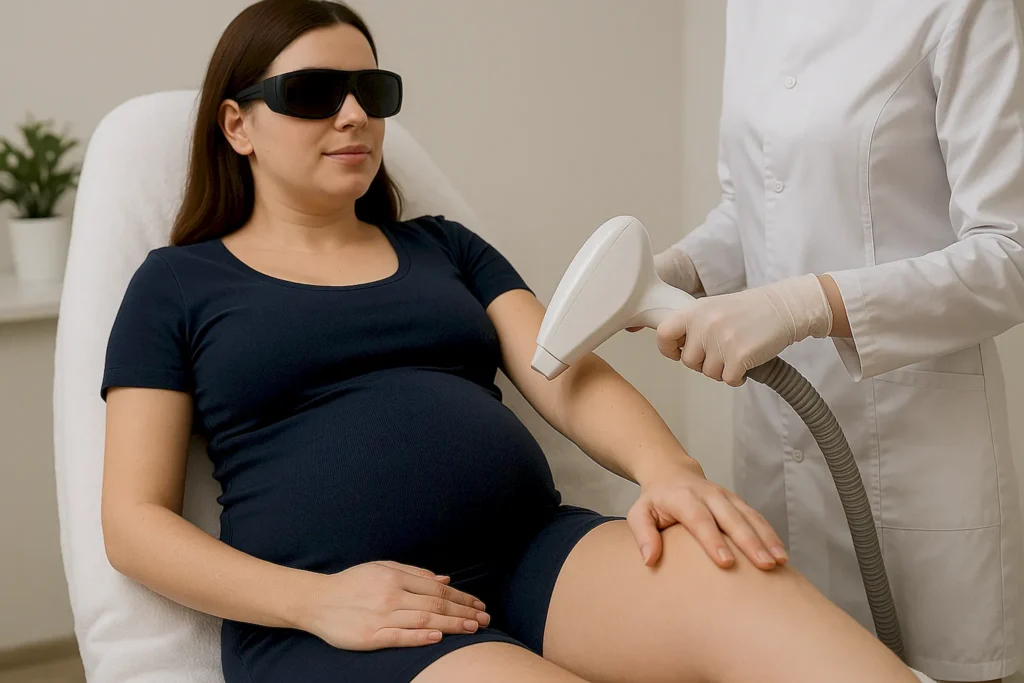
When considering laser hair removal during pregnancy, the health and safety of both the mother and the developing baby are of utmost importance. Although there is limited research on the effects of laser treatments during pregnancy, many healthcare professionals advise caution. The primary concern is that certain procedures may pose risks that pregnant individuals may wish to avoid during this sensitive time.
Factors to Consider
- Stage of pregnancy
- Type of laser used
- Your skin type and sensitivity
- Possible hormonal changes
- Consultation with healthcare providers
- Side effects and discomfort
- Alternatives available
Many expectant mothers may wonder, Can laser hair removal harm the baby? While the consensus is that laser treatments primarily affect the skin’s surface and do not penetrate deeply enough to affect fetal development, caution is still advised. Medical professionals recommend avoiding unnecessary procedures during pregnancy unless absolutely necessary due to concerns over skin sensitivity and increased hormonal fluctuations that can heighten the risk of adverse reactions.
Ultimately, making an informed choice about laser hair removal during pregnancy involves considering potential risks, personal circumstances, and professional medical advice. To ensure the safest approach, always discuss your options with a healthcare provider who understands your unique situation and can guide you towards the best choice for you and your baby.
What Do Doctors Say About Laser Hair Removal During Pregnancy?
When it comes to laser hair removal during pregnancy, many women often seek guidance from healthcare professionals due to the unique considerations of pregnancy. Most doctors advise caution, emphasizing the importance of prioritizing the health of both the mother and the developing fetus. While some laser treatments are deemed relatively safe, the varying factors influencing each pregnancy can lead to differing recommendations.
Expert Opinions on Safety
- Laser treatments are generally not recommended during pregnancy due to lack of research on their safety.
- Pregnant women experience hormonal changes that may affect hair growth, making treatments less effective.
- Some doctors suggest postponing laser hair removal until after childbirth for peace of mind.
- Risks associated with laser hair removal could include skin irritation and sensitivity, which may be heightened in pregnancy.
- Consultation with a qualified dermatologist is advised to assess personal risk factors.
- Doctors agree that, while laser technology is safe for most, the absence of long-term studies during pregnancy warrants caution.
- Due to potential hormonal fluctuations, some suggest alternative hair removal methods while pregnant.
It’s important to note that every pregnancy is unique, and a doctor’s opinion may vary based on individual circumstances. While some physicians may allow laser hair removal during pregnancy if deemed safe after thorough evaluation, many prefer to err on the side of caution and recommend waiting. Therefore, a thorough consultation can help pregnant women make informed decisions about their hair removal options, prioritizing their health and that of their baby.
In conclusion, the consensus among doctors highlights the need for women to seek personalized medical advice regarding laser hair removal during pregnancy. With various expert opinions, it becomes clear that safety should always come first. Women considering this option must weigh the risks and benefits carefully, ensuring they are acting in their best interest and that of their unborn child.
When Is the Best Time for Laser Hair Removal if You Are Pregnant?
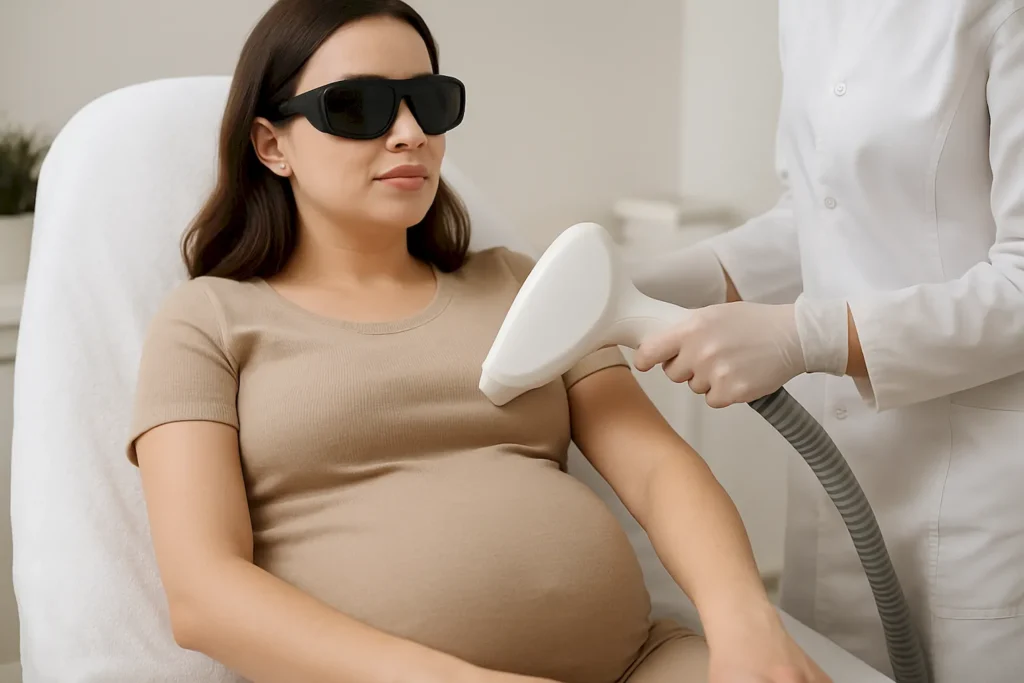
When considering laser hair removal during pregnancy, timing becomes a critical factor. Pregnant women experience hormonal changes that can affect hair growth patterns, making this an essential consideration. While the discussion often revolves around safety concerns, understanding the best time for procedural interventions can also play a significant role in ensuring both comfort and efficacy.
Recommended Timing
- First Trimester: Generally, it’s advised to avoid laser hair removal during this period due to the vulnerability associated with embryo development.
- Second Trimester: This is often regarded as the safest time for many aesthetic procedures, including laser hair removal, as most pregnancy-related risks are usually minimized.
- Third Trimester: Although procedures are still possible, discomfort may increase due to a growing belly, which can make positioning for treatment challenging.
- Postpartum: Many women choose to wait until after childbirth when hormonal fluctuations stabilize for more effective laser treatments.
- Consult with a Professional: Always seek advice from a healthcare provider before scheduling any procedure, including laser hair removal.
Choosing the right moment for laser hair removal is integral to balancing safety and desired outcomes. Many experts suggest that the second trimester is typically the best time, assuming the pregnancy is progressing without complications. Women often feel more comfortable physically and emotionally, making this period ideal for non-invasive procedures.
In summary, while the best time for laser hair removal during pregnancy typically falls within the second trimester, every woman’s experience is unique. Beyond timing, it is crucial to assess individual health and safety concerns by consulting with a qualified professional who understands both the desires of the patient and the implications of undergoing such treatments during pregnancy.
Are There Alternatives to Laser Hair Removal During Pregnancy?
When considering laser hair removal during pregnancy, many expectant mothers seek alternative methods that are both safe and effective. The hormonal changes that occur during pregnancy can cause hair growth to become more pronounced, leading to concerns about unwanted hair. It’s essential to explore different options that ensure both maternal and fetal safety while managing these changes in body hair.
| Hair Removal Method | Pros | Cons |
|---|---|---|
| Shaving | Safe, quick, and inexpensive | Hair grows back quickly, possibility of cuts |
| Waxing | Long-lasting results, can reduce hair growth over time | Painful, risk of skin irritation |
| Depilatory Creams | Quick and easy to use | Potential skin sensitivity, needs patch test |
| Epilators | Can be used at home and provides longer-lasting results | Painful and might cause irritation |
Alternatives to laser hair removal offer various benefits and drawbacks, and expecting mothers should consider them carefully. Each method may suit different skin types and personal preferences. Consulting with a healthcare provider before choosing any hair removal technique is crucial, as they can provide individualized recommendations based on the mother’s health and stage of pregnancy.
Alternative Hair Removal Options
- Shaving
- Waxing
- Depilatory creams
- Epilators
- Threading
- Natural remedies (such as sugar paste)
In conclusion, while laser hair removal during pregnancy is a topic of debate, there are several safe alternatives available. These methods allow mothers to manage unwanted hair effectively while ensuring the well-being of their baby. Always prioritize comfort and safety and engage with healthcare professionals to navigate the best choices throughout the pregnancy journey.
Tips for Managing Unwanted Hair During Pregnancy Without Laser
Managing unwanted hair during pregnancy can be a sensitive topic, especially with the multitude of hormonal changes that your body experiences. Many women find themselves dealing with increased hair growth, while others may struggle with hair loss after pregnancy, both of which affect comfort and confidence.
Effective Hair Management Tips
- Shaving: A straightforward and quick solution that can be safely done at home.
- Depilatory Creams: Look for products designed for sensitive skin, but always do a patch test.
- Waxing: As long as your skin is not overly sensitive, at-home waxing kits or professional services are safe options.
- Trimming: Use scissors or electric trimmers to keep hair lengths manageable without complete removal.
- Exfoliation: Regularly exfoliating the skin can help manage hair growth and improve the skin’s overall appearance.
- Consultation: Consider discussing options with your healthcare provider for personalized advice.
It’s crucial to remember that some methods may work better for you than others, depending on your individual skin sensitivity and preferences. For instance, while shaving is a fast approach, waxing might be more effective for longer-lasting results. Always keep in mind the potential for skin irritation, and choose methods that prioritize your comfort and safety during pregnancy.
Finding the right method for managing hair can empower you and help embrace the changes your body undergoes during pregnancy. Always prioritize safety and skin health.
Moreover, maintaining a healthy routine of hair management can enhance not only your physical appearance but also your confidence. While laser hair removal during pregnancy is not recommended by most experts, there are numerous non-invasive strategies available that can help you feel more at ease with your body’s transformations. Ultimately, it’s about finding what feels right for you during this unique time in your life.
How Does Laser Hair Removal Work and Is It Safe for Pregnant Women?
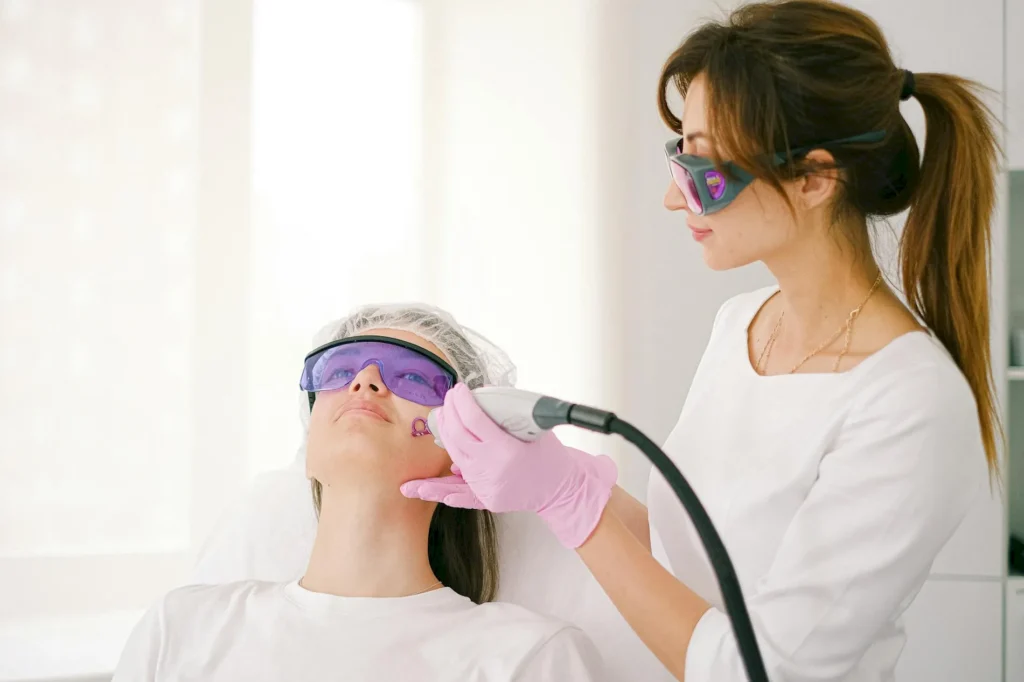
The process of laser hair removal involves focusing concentrated light onto hair follicles, which absorbs the light and inhibits future hair growth. It primarily targets the pigment in the hair, making it most effective on individuals with lighter skin and darker hair. During the laser procedure, a handheld device is used that emits pulses of light, which can vary in intensity depending on the area being treated. Understanding how it works can clarify concerns regarding safety, especially for pregnant women.
Understanding Laser Hair Removal
Although it has become a popular method for removing unwanted hair, many prospective users question whether laser hair removal pregnancy is a safe option. Laser hair removal is generally considered to be a cosmetic procedure, and there is limited research on its effects on pregnant women. The concern often lies in the potential exposure to heat and the possible effects on hormone levels during pregnancy. However, most experts suggest that there is no direct evidence indicating that laser hair removal is harmful to pregnant women or their babies.
| Factor | Description | Potential Risks |
|---|---|---|
| Skin Sensitivity | Pregnant women may experience increased skin sensitivity. | Higher chances of irritation or burns. |
| Hormonal Changes | Pregnancy leads to hormonal fluctuations which can affect hair growth. | Possibly less effective results. |
| Heat Exposure | Laser treatment involves heat applied to the skin. | Risk of overheating sensitive skin. |
| Medical Advice | Consulting with a healthcare provider before undergoing any procedure. | Ensures safety and appropriateness of treatment. |
Safety Mechanisms
When considering laser hair removal during pregnancy, understanding potential safety mechanisms is essential. Many dermatologists recommend waiting until after childbirth to undergo laser procedures. This recommendation stems from caution regarding any medical procedure, and although current studies have not conclusively shown that laser hair removal pregnancy poses significant risks to the fetus, it is always better to prioritize health during pregnancy.
Mechanism and Safety Considerations
- The procedure targets specific hair follicles, minimizing damage to surrounding skin.
- FDA regulations ensure the safety and effectiveness of laser technology.
- Pregnant women should inform their technician about their condition.
- Cooling mechanisms are often employed to reduce discomfort from heat exposure.
- Expert guidance is advised; always consult a healthcare provider first.
- Alternative hair removal methods can be considered if there is any doubt.
- Understand that individual reactions may vary depending on hormonal changes.
In conclusion, while the mechanisms behind laser hair removal present a usually non-invasive approach, the safety for pregnant women remains a gray area. While some doctors might consider it safe, others suggest waiting until after pregnancy. Always ensure thorough consultation with a medical professional before proceeding with any cosmetic treatment during this sensitive period.
What to Expect If You Get Laser Hair Removal While Pregnant?
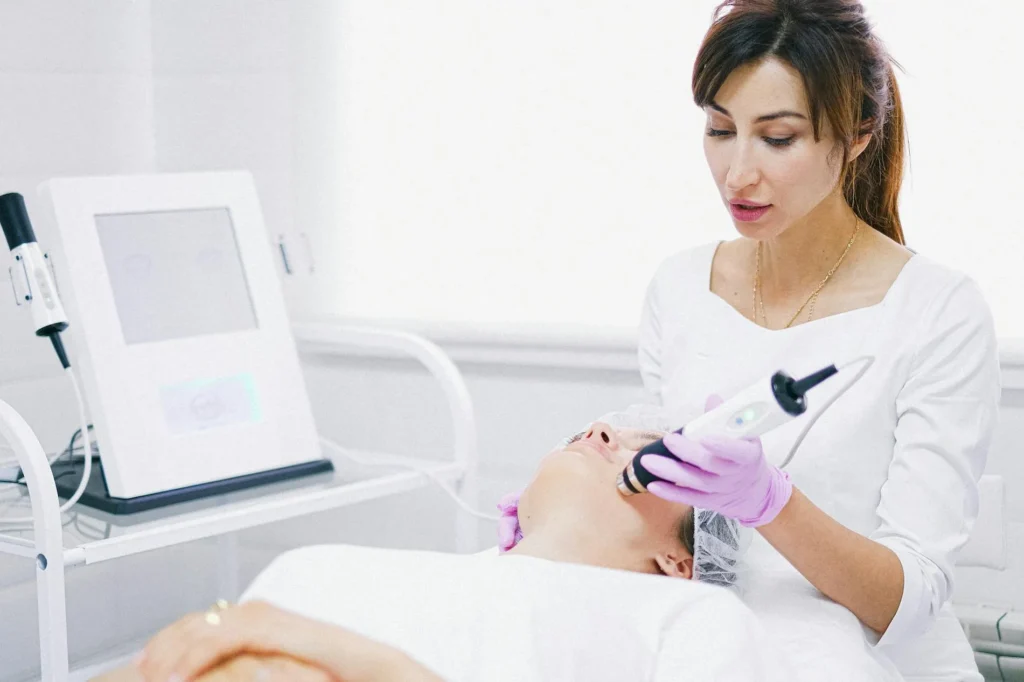
Many expectant mothers considering laser hair removal during pregnancy may feel apprehensive about whether it’s the right choice for them. While the desire for smooth skin remains, the well-being of both mother and child takes precedence. It is essential to understand what to anticipate if you choose this treatment during pregnancy, as responses can vary significantly among individuals. Understanding the process and possible outcomes is crucial for making an informed decision.
Anticipated Experiences
- Initial Consultation: Expect a thorough assessment by a trained professional to discuss your medical history and any potential risks.
- Skin Sensitivity: Hormonal changes during pregnancy may increase skin sensitivity, leading to heightened discomfort during the procedure.
- Hair Growth Patterns: Many women notice changes in hair growth cycles due to hormonal shifts, which may affect the efficacy of treatment.
- Post-Treatment Effects: Temporary side effects like redness or swelling are common; these should resolve quickly.
- Psychological Impact: Many women report feeling self-conscious about body changes, which may influence their focus on hair removal.
- Timing of Results: It could take longer to see results compared to pre-pregnancy treatments.
- Consultation for Alternatives: If you’re concerned about the safety of laser treatments, your practitioner may suggest alternative hair removal methods.
It’s important to remember that the safety of both mother and baby should be the utmost priority. While the treatment may yield beneficial results in terms of hair removal, all potential side effects and concerns must be carefully weighed. If you have any apprehensions, consulting a healthcare professional who is knowledgeable about laser hair removal while pregnant can help address these worries and guide you towards the best option.
In summary, while the prospect of laser hair removal during pregnancy may seem appealing, managing expectations and understanding the effects is critical. Whether you decide to proceed or explore other methods, the journey through pregnancy is unique for every woman, and it’s essential to make choices that best align with your health and comfort. Engaging in open dialogue with your medical team will provide clarity and peace of mind during this time.
Common Questions About Laser Hair Removal and Pregnancy
The topic of laser hair removal during pregnancy often raises several concerns among expectant mothers. Many women wonder about the safety of undergoing this procedure while carrying a baby. While laser hair removal is generally considered safe for non-pregnant individuals, there are additional factors to consider during pregnancy, particularly regarding hormone fluctuations and skin sensitivity. It is crucial to weigh these factors carefully to ensure the health and well-being of both the mother and the unborn child.
Frequently Asked Questions
- Is laser hair removal safe during pregnancy?
- Can laser hair removal harm the baby?
- What do medical professionals recommend regarding laser hair removal during pregnancy?
- Are there any risks associated with laser hair removal while pregnant?
- What alternatives exist for hair removal during pregnancy?
- How does hormonal change during pregnancy affect hair removal treatments?
- When is the best time to consider laser hair removal if I am pregnant?
Many women also express concerns about the potential side effects of laser hair removal during pregnancy. Skin may become more sensitive during this time, potentially leading to an increased risk of burns or irritation. Additionally, as the body undergoes significant hormonal changes, hair growth patterns can also shift, often rendering previous hair removal methods less effective. Therefore, it is essential for pregnant women to have a thorough discussion with their healthcare providers before making any decisions about laser hair removal pregnancy.
The main priority should always be the health and safety of both the mother and her baby. Consulting a healthcare professional before proceeding with any cosmetic procedure can provide personalized advice tailored to individual circumstances.
Ultimately, whether to proceed with laser hair removal during pregnancy is a personal decision that should be made with careful consideration and medical guidance. If a woman is experiencing significant discomfort due to unwanted hair, discussing alternative methods of hair removal with a qualified practitioner might be the best course of action. By remaining informed about the potential risks and benefits, pregnant women can make choices that align with their health needs and personal preferences.