Kidney pregnancy pain can arise from several causes, including hormonal changes and increased pressure on the kidneys. This blog post discusses the signs and symptoms that may indicate kidney issues, alongside guidance on when to seek medical attention. Expectant mothers should be aware of the difference between kidney pain and normal pregnancy discomfort, as the former can indicate complications like infections that could harm the baby. The article provides practical tips on how to relieve kidney pain during pregnancy, ensuring a safer and more comfortable experience for mothers-to-be. Understanding these factors is essential for maintaining maternal and fetal health.
What Causes Kidney Pain During Pregnancy?
Kidney pain during pregnancy can be a perplexing experience for many expectant mothers. As the body undergoes various changes, it’s essential to understand that some discomfort can stem from normal pregnancy-related adjustments, while other causes may signify underlying issues. Recognizing the difference is vital for ensuring both maternal and fetal well-being.
One of the primary reasons for kidneys pain during pregnancy is the physical pressure exerted by the growing uterus. This organ expands significantly in size, which can restrict blood flow and affect kidney function. Additionally, hormonal changes can lead to alterations in the urinary tract, making it more susceptible to complications. Therefore, understanding the various factors contributing to kidney pain during pregnancy is crucial.
Potential Causes of Kidney Pain During Pregnancy
- Ureteral Pressure: The enlarging uterus can exert pressure on the ureters, leading to discomfort.
- Hormonal Changes: Elevation in progesterone may relax the muscles in the urinary tract, affecting kidney function.
- Kidney Stones: Pregnant women are at a higher risk of developing kidney stones due to changes in urine composition.
- Urinary Tract Infections (UTIs): UTIs are more common in pregnancy and can cause significant pain and discomfort.
- Dehydration: Insufficient fluid intake may lead to kidney issues and exacerbated pain.
- Preexisting Kidney Conditions: Conditions like pyelonephritis can worsen during pregnancy.
Among the various causes, understanding the underlying conditions that may amplify kidney pain during pregnancy is also crucial. Some women may have preexisting kidney issues, which could be exacerbated by the physical changes occurring in their bodies. It’s vital to consult healthcare providers to monitor any preexisting conditions closely.
Underlying Conditions
There are conditions that specifically affect the kidneys and can become more pronounced during pregnancy, contributing to increased pain. Some women may experience glomerulonephritis or nephritis, which can result in kidney inflammation and discomfort. Moreover, as pregnancy progresses, the risk of developing conditions like gestational hypertension can further strain renal function, leading to worsening symptoms.
Pregnancy-Related Changes
The body undergoes numerous adjustments during pregnancy that can affect kidney health. Increased blood volume and changes in fluid balance can lead to both edema and altered kidney functioning. Additionally, hormonal fluctuations can impact the kidneys’ filtration capacity, making it essential to stay vigilant about any unusual symptoms or persistent pain. Regular check-ups and communication with healthcare professionals are key to managing kidney-related issues during this significant time.

Signs and Symptoms of Kidney Issues in Pregnancy
During pregnancy, the body undergoes numerous changes, and some women may experience kidney pain pregnancy symptoms that are concerning. Recognizing the signs of kidney issues in pregnancy is crucial for the health of both the mother and baby. Symptoms can vary in severity and may include pain localized in the lower back or sides, which might be mistaken for typical pregnancy discomfort. Neck ache in pregnancy can also occur as a result of changes in posture, and while it may be unrelated to kidney pain, it’s essential to be aware of both types of discomfort during this time.
Key Symptoms to Monitor
- Persistent lower back pain
- Flank pain (pain on the sides of the body)
- Bloating and swelling, particularly in the abdominal area
- Changes in urine color or odor
- Frequent urination or difficulty urinating
- Fever and chills
- Nausea and vomiting
If you experience any of these symptoms, it is essential to consult your healthcare provider. Early detection and treatment of kidney issues can prevent potential complications. Furthermore, understanding that kidney pain during pregnancy can arise from various conditions, including infections or the pressure of the growing uterus, helps in identifying the seriousness of your symptoms. Monitoring your body’s signals is key to ensuring both your and your baby’s well-being throughout pregnancy.
When to See a Doctor for Kidney Pain While Pregnant
Experiencing kidney pregnancy pain can be concerning, especially when you’re expecting. While some discomfort can be a normal part of pregnancy due to the body’s changes, it’s crucial to differentiate between typical aches and signs of a more significant issue. If you are experiencing persistent or severe pain in your kidneys during pregnancy, it may indicate an underlying issue that needs medical attention.
Understanding when to seek help is essential for both your health and the health of your baby. If you notice symptoms that are out of the ordinary or if your pain intensifies, you should not hesitate to contact your healthcare provider. It’s vital to be aware of the warning signs that can accompany kidney issues, as early intervention can lead to better outcomes for you and your unborn child.
Urgent Signs Requiring Medical Attention
- Severe, persistent pain in the back or sides
- Accompanying fever or chills
- Blood in your urine or other changes in urine color
- Painful urination or frequent urge to urinate
- Swelling in the hands or feet
- Unexplained nausea or vomiting
- Signs of dehydration, such as dizziness or dark urine
Timely treatment for kidney pregnancy pain can help prevent complications such as infections, which pose risks not only to your health but also to your baby’s. Always err on the side of caution and consult your healthcare provider to evaluate your symptoms and ensure a safe and healthy pregnancy journey.
How to Relieve Kidney Pain During Pregnancy
Relieving kidney pain during pregnancy can significantly improve a mother’s comfort and overall well-being. It’s essential to understand that the kidneys’ pain during pregnancy may arise from various factors such as hormonal changes, physical strain, and increased fluid intake. As the pregnancy progresses, the growing uterus can exert pressure on the kidneys, leading to discomfort and potential pain. Implementing effective relief strategies is crucial for managing these symptoms and maintaining a healthy pregnancy.
There are several practical approaches to relieve kidney pain during pregnancy, focusing first on hydration. Drinking sufficient water helps ensure that the kidneys function properly and can flush out any toxins. Additionally, certain dietary changes can ease kidney discomfort; for instance, a well-balanced diet rich in fruits and vegetables aids in kidney health. Avoiding overly salty or processed foods can also contribute to less strain on the kidneys.
Dietary Tips for Kidney Health During Pregnancy
| Food Category | Recommended Foods | Benefits |
|---|---|---|
| Fruits | Berries, Apples | High in antioxidants and fiber |
| Vegetables | Leafy Greens, Carrots | Rich in vitamins and minerals |
| Whole Grains | Brown Rice, Quinoa | Provides necessary nutrients without excess sodium |
Steps to Alleviate Kidney Discomfort
- Stay Hydrated: Drink plenty of fluids to help the kidneys filter effectively.
- Modify Your Diet: Incorporate foods that are hydrating and nutrient-rich while avoiding excess sodium.
- Practice Gentle Exercises: Engage in light physical activity to relieve pressure on the kidneys.
- Utilize Heat Therapy: Applying a warm compress can soothe aches and pains.
- Maintain Good Posture: Sit and sleep in positions that reduce pressure on the kidneys.
- Experiment with Relaxation Techniques: Stress management can help minimize discomfort.
Finally, if the kidney pain during pregnancy persists or intensifies despite these measures, it is crucial to consult a healthcare professional. Each pregnancy is unique, and understanding the underlying causes of kidney pain can help determine the best treatment options. With appropriate care and attention, most women can effectively manage kidney discomfort and ensure a safer, more enjoyable pregnancy experience.
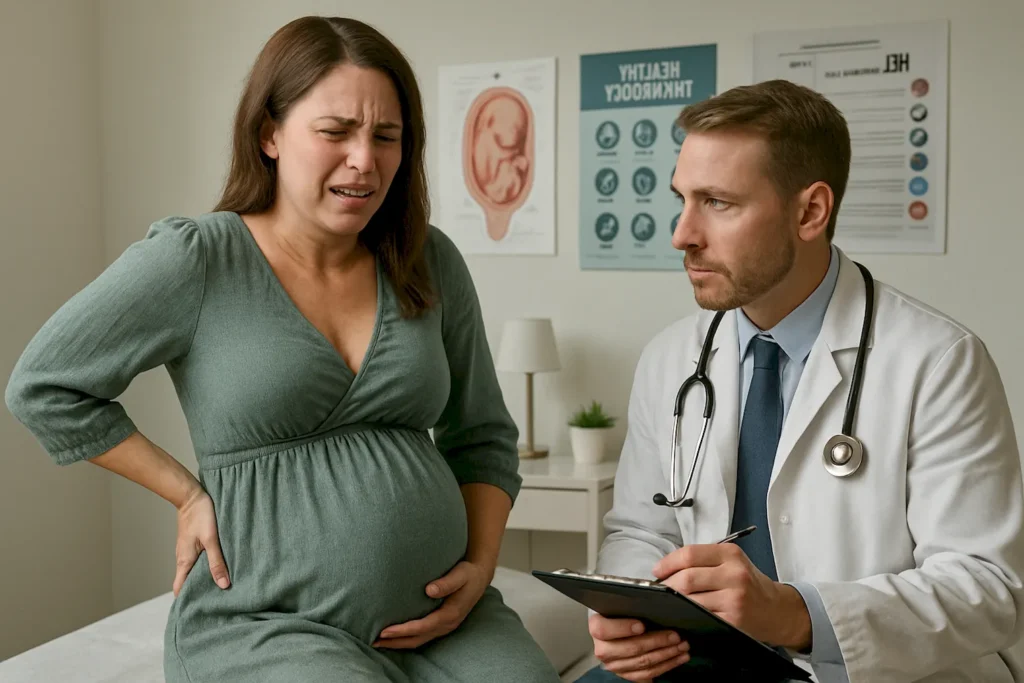
Can Kidney Infections Harm Your Baby?
Kidney infections during pregnancy, often resulting from untreated urinary tract infections (UTIs), pose significant concerns for the health of both the mother and the developing baby. If left untreated, these infections can escalate quickly due to the changes in the urinary tract during pregnancy. This is essential to recognize, as kidney pregnancy pain may be indicative of a more serious underlying condition that could impact fetal development.
Potential Risks Involving Kidney Infections
- Preterm labor and delivery
- Low birth weight
- Preeclampsia development
- Increased risk of severe maternal illness
- Fetal compromise due to maternal dehydration
- Potential need for hospitalization
Additionally, the impact of a kidney infection can extend beyond immediate birth outcomes. Studies have shown that infections may lead to long-term health issues for both the mother and child, emphasizing the need for early diagnosis and appropriate treatment. The risk of kidney pregnancy pain should not be taken lightly, as it can be a precursor to both maternal and fetal health complications.
Addressing kidney infections promptly during pregnancy is vital for ensuring both maternal and fetal well-being.
In conclusion, while a kidney infection can be serious, proactive management and regular prenatal check-ups can mitigate risks. It is crucial for pregnant women to be attentive to symptoms and seek medical advice if they suspect a kidney issue. Through timely medical intervention, the risks associated with kidney infections can be significantly reduced, helping to ensure a healthier pregnancy and childbirth experience.
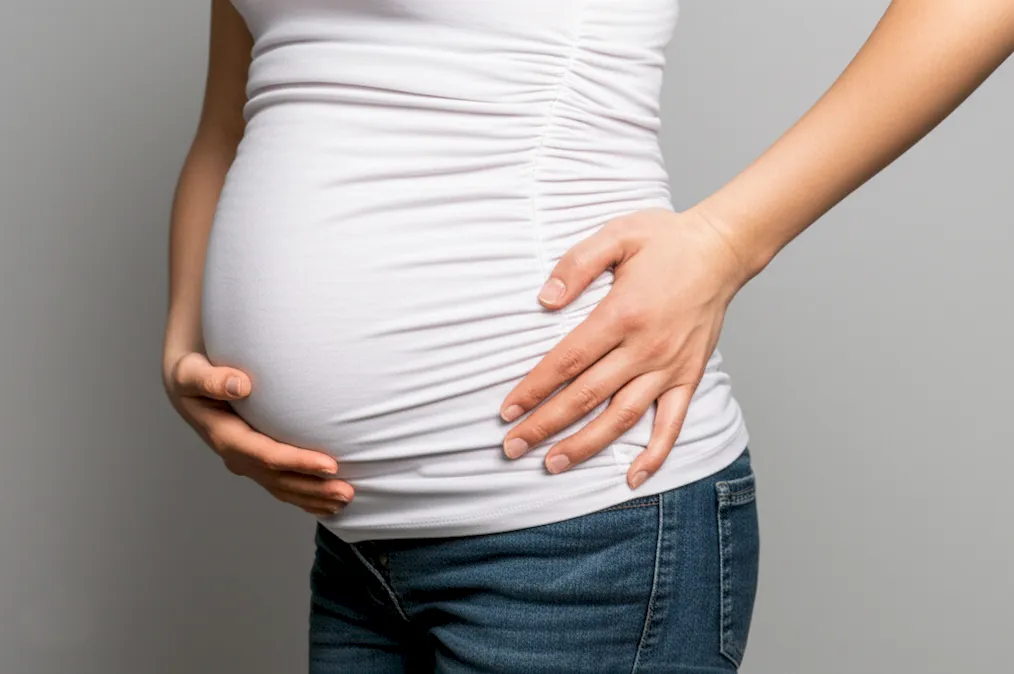
Kidney Pain vs. Normal Pregnancy Discomfort
Understanding the distinction between kidney pregnancy pain and normal pregnancy discomfort is crucial for expectant mothers. Pregnant women often experience various physical changes, leading to discomfort that can be mistaken for kidney pain. Normal pregnancy discomfort tends to be generalized and can include stretching sensations as the uterus expands, while kidney pain is typically more localized and may signify underlying health issues. It’s essential to listen to your body and recognize when something might be amiss.
| Characteristic | Kidney Pain | Normal Pregnancy Discomfort |
|---|---|---|
| Location | Side or lower back | Generalized abdominal area |
| Pain Type | Sharp or stabbing | Dull ache or stretching |
| Associated Symptoms | Fever, chills, or urinary issues | Nausea, emotional changes |
| Duration | Persistent or recurrent | Intermittent |
When evaluating kidney pregnancy pain, pay attention to specific symptoms that may indicate a more serious issue. If there are concerns about kidney function, healthcare providers may require imaging assessments or urine tests to evaluate the condition of the kidneys. These diagnostic methods are vital for determining the appropriate course of action and ensuring the safety of both the mother and the fetus.
Comparative Overview of Symptoms
- Kidney pain typically feels sharp or intense.
- Normal pregnancy discomfort usually presents as a dull ache.
- Kidney-related symptoms may involve fever and chills.
- Normal discomfort can include nausea but not fever.
- Worsening kidney pain is often persistent and requires medical attention.
- Normal discomfort symptoms generally fade with rest or change of position.
- Soreness in the lower back can indicate either; context is essential.
Overall, distinguishing between kidney pregnancy pain and typical discomfort associated with pregnancy is paramount. If there’s any uncertainty about your symptoms or if they persist, consulting with a healthcare professional is the best course of action. Proper monitoring and timely intervention can ensure that both the mother and baby remain in good health throughout the pregnancy journey.