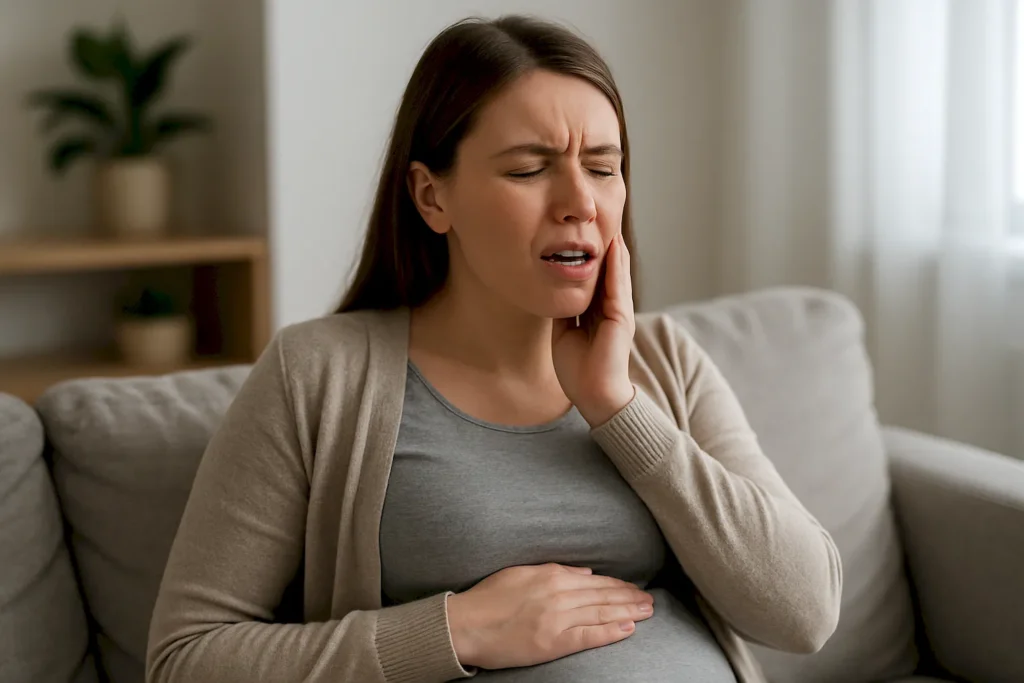
Jaw pain during pregnancy is a common issue faced by many expectant mothers, often stemming from hormonal changes, stress, or dental issues. Understanding the causes and context of this discomfort is essential for effective management. Symptoms may include tenderness, difficulty with chewing, or headaches. To relieve jaw pain during pregnancy, various remedies such as warm compresses, gentle massages, and relaxation techniques can be beneficial.
Preventive measures like maintaining good posture and managing stress levels can help reduce the risk of developing jaw pain. In summary, recognizing the symptoms and potential causes is crucial, and proactive steps can be taken to alleviate discomfort. Expecting mothers should consult healthcare providers for personalized advice to manage jaw pain during pregnancy effectively.
Understanding Jaw Pain During Pregnancy: Common Causes And Context
During pregnancy, women experience numerous physical changes, some of which may lead to discomfort and pain, including jaw pain during pregnancy. This condition can arise from various sources, often related to the physical and hormonal modifications that occur. Hormonal fluctuations can cause relaxation in the ligaments, resulting in tension and discomfort. Additionally, lifestyle changes, such as altered eating habits and increased stress levels, can significantly contribute to this issue. In some cases, if the jaw pain is caused by dental issues such as infection or decay, a root canal during pregnancy might be necessary to address the underlying problem and relieve pain. Addressing the underlying causes is critical for managing symptoms effectively.
Common Causes of Jaw Pain
- Hormonal changes affecting muscle and joint flexibility
- Teeth grinding or clenching due to stress or anxiety
- Changes in nutritional habits or diets
- Postural issues related to weight gain
- TMJ disorders exacerbated by physical strain
- Pregnancy-related headaches that radiate to the jaw
Understanding these causes is essential for pregnant women experiencing jaw pain during pregnancy. Each factor interacts with the inevitable physical and psychological changes that accompany pregnancy. As these dynamics intersect, they can lead to persistent discomfort, making it imperative for expectant mothers to seek proper evaluation and relief strategies.
Exploring Symptoms: Identifying Jaw Pain During Pregnancy
During pregnancy, many women experience a variety of physical changes, including hormonal shifts and changes in posture, which can lead to symptoms such as jaw pain. It’s crucial to be aware of these symptoms to seek proper relief and manage discomfort effectively. Understanding the manifestations of jaw pain during pregnancy can help in differentiating normal discomfort from issues that may require medical attention.
Some women may notice that their jaw pain is accompanied by tension headaches or facial discomfort, which can further complicate their overall experience. It’s essential to identify specific symptoms to determine if the pain stems from muscular strain, hormonal changes, or other underlying issues. Additionally, during pregnancy, increased stress and anxiety can contribute significantly to jaw tension, further complicating the situation.
| Symptom | Possible Causes | Recommended Action |
|---|---|---|
| Tightness in Jaw | Muscular strain due to stress | Gentle stretching exercises |
| Facial Pain | Hormonal changes | Consult with a healthcare provider |
| Headaches | Stress or teeth clenching | Relaxation techniques |
| Clicking Sounds | Jaw joint issues | Seek professional evaluation |
Recognizing the specific symptoms associated with jaw pain can enhance one’s ability to manage discomfort during pregnancy. Here are some common symptoms to keep an eye on:
Symptoms of Jaw Pain
- Tightness or soreness in the jaw
- Difficulty opening the mouth
- Pain radiating to the neck or shoulders
- Frequent headaches or migraines
- Facial swelling or tenderness
- Clicking or popping sounds when moving the jaw
- Teeth grinding or clenching
Understanding these symptoms is essential to addressing jaw pain during pregnancy. Aside from the physical sensations, it is important to consider the emotional impacts that can stem from this condition. Emotional stress related to pregnancy can exacerbate physical discomfort, making it imperative to adopt a holistic approach to manage both physical and psychological symptoms.
Physical Symptoms
The physical symptoms of jaw pain can vary significantly from one woman to another. Many experience discomfort in the jaw muscles or joints, which may present as tightness or dull aches. These symptoms can be particularly pronounced during times of stress or fatigue, common occurrences during pregnancy. The tightness can also lead to other related pains, such as headaches and neck pain.
Emotional Impact
Beyond the physical discomfort, the emotional toll of coping with jaw pain during pregnancy can be substantial. Feelings of anxiety regarding one’s health and the health of the baby can amplify stress and tightness in the jaw. Finding effective coping strategies to manage both emotional and physical symptoms is crucial for overall well-being during this transformative period.

Effective Remedies And Treatments For Jaw Pain Relief
Experiencing jaw pain during pregnancy can be an uncomfortable and distressing symptom for many expectant mothers. This pain may stem from various factors, including hormonal changes, increased stress, or muscle tension associated with pregnancy. Understanding effective remedies and treatments can provide much-needed relief, allowing mothers to focus on their well-being and the upcoming arrival of their baby.
Fortunately, several effective approaches can be employed to alleviate jaw pain. Combining both home remedies and professional treatments can yield the best results. Here are some actionable steps you can take:
Steps to Relieve Jaw Pain
- Practice Relaxation Techniques: Deep breathing or meditation can help reduce stress and tension that may be contributing to jaw pain.
- Apply Heat or Cold: Use a warm compress or cold pack to ease discomfort and reduce inflammation in the jaw area.
- Maintain Good Posture: Focus on sitting and standing upright, which can prevent unnecessary strain on your jaw and neck.
- Limit Chewing: Reduce gum chewing or tough foods that may exacerbate jaw strain.
- Perform Gentle Jaw Exercises: Simple stretching and mobility exercises can promote jaw relaxation and flexibility.
- Stay Hydrated: Drinking adequate water helps maintain overall muscle function and can reduce tension.
- Seek Professional Advice: Consulting with a healthcare professional can provide valuable insights tailored to your specific situation.
By implementing these strategies, many individuals find significant relief from jaw pain during pregnancy. However, if symptoms persist, it is vital to seek guidance from a healthcare provider to explore other possible conditions or necessary treatments.
Home Remedies
When seeking immediate relief at home, simple remedies can make a significant difference. For instance, using warm compresses on the jaw can enhance blood circulation and relax the muscles, effectively alleviating pain. Additionally, practicing mindful eating—taking smaller bites and chewing slowly—can alleviate excessive strain on the jaw and provide an easier dining experience during pregnancy.
Professional Treatments
If home remedies do not fully address your jaw pain, professional treatments may be a viable solution. Consulting with a dentist specializing in temporomandibular disorders (TMD) can provide an accurate diagnosis and treatment plan. They may recommend custom mouth guards to alleviate teeth grinding and jaw clenching, which is often heightened during pregnancy. Furthermore, therapeutic interventions such as physical therapy or acupuncture may be beneficial for reducing chronic jaw pain.

Preventive Measures: Reducing Jaw Pain Risk During Pregnancy
Preventing jaw pain during pregnancy can significantly enhance comfort and overall well-being. One effective strategy is to maintain proper posture. Good posture helps distribute weight evenly, reducing strain on the jaw and neck. Additionally, consider using supportive pillows when sleeping to maintain alignment, as proper spinal alignment can lessen tension in the jaw area. Regular gentle exercises can also strengthen jaw muscles, thus alleviating chances of discomfort.
| Preventive Measure | Benefit | Implementation |
|---|---|---|
| Proper Posture | Minimizes tension | Be mindful of body alignment |
| Supportive Pillows | Enhances sleep quality | Use during rest |
| Regular Exercise | Strengthens jaw muscles | Incorporate gentle movements |
| Stress Management | Reduces jaw clenching | Practice mindfulness techniques |
In addition to posture and physical practices, emotional health plays a critical role in preventing jaw pain during pregnancy. Stress management techniques such as deep breathing, yoga, and meditation can significantly alleviate muscle tension. Moreover, staying well-hydrated and maintaining a balanced diet can contribute to muscle and joint health. When enacting these preventive measures, keeping in mind your body’s cues is essential; never hesitate to consult a healthcare professional if you experience persistent pain.
Tips for Prevention
- Practice good posture throughout the day.
- Use supportive pillows for better sleep alignment.
- Engage in gentle jaw exercises regularly.
- Incorporate stress-relief techniques into your daily routine.
- Stay hydrated to support muscle function.
- Maintain a balanced diet rich in nutrients.
- Seek professional advice if pain persists.
Summary and Actionable Steps For Managing Jaw Pain
Managing jaw pain during pregnancy is crucial for overall comfort and well-being. This condition can arise due to various factors, including hormonal changes, increased stress, and physical discomfort. Understanding these underlying causes can help in implementing effective relief strategies. By recognizing the symptoms associated with jaw pain, pregnant individuals can take preventive measures and explore available treatments to alleviate their discomfort.
Actionable Takeaways
- Consult with a healthcare provider to confirm the causes of jaw pain.
- Practice relaxation techniques like deep breathing and prenatal yoga.
- Apply warm compresses to the jaw to alleviate tension.
- Maintain good posture to minimize strain on the jaw muscles.
- Consider dietary adjustments that promote overall muscle relaxation.
- Stay hydrated to prevent muscle cramps and spasms.
Taking proactive steps can significantly reduce the discomfort associated with jaw pain during pregnancy. Incorporating these strategies into daily routines may also improve overall well-being. Remember, monitoring changes and communicating with healthcare professionals is vital for ensuring a healthy pregnancy experience.