

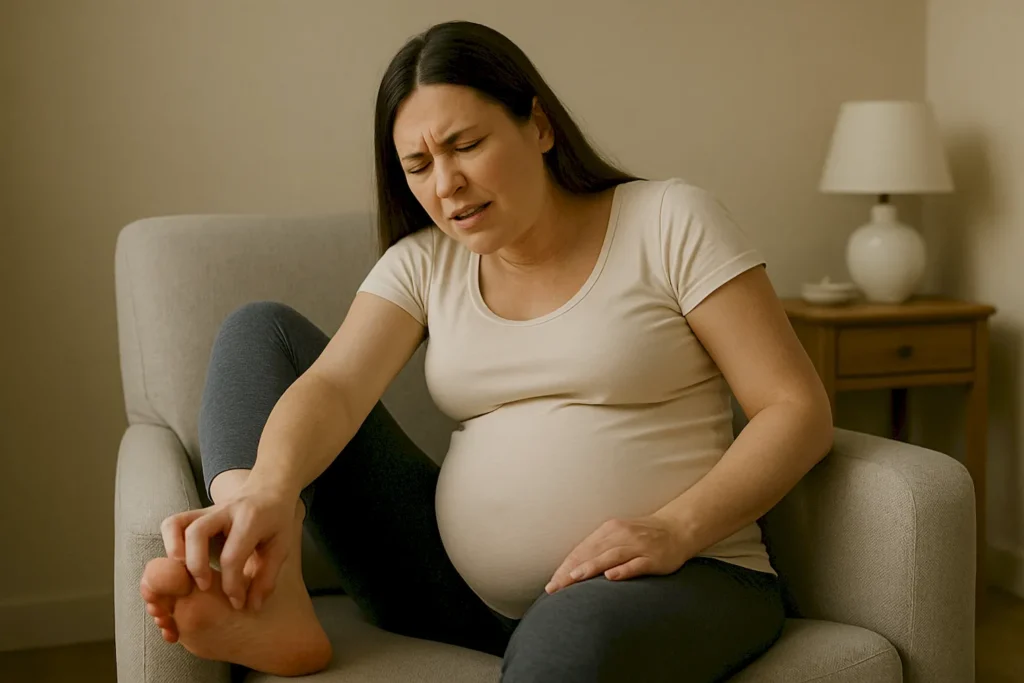
Itchy feet during pregnancy are a common discomfort that many expectant mothers face. Hormonal fluctuations, increased blood flow, and the natural stretching of the skin can all contribute to this irritating sensation. Itching often intensifies at night, particularly affecting the feet and sometimes the hands, making rest more difficult. Recognizing how pregnancy impacts your skin and circulation can help explain why these symptoms occur. Simple remedies such as regular moisturizing and choosing breathable footwear can offer significant relief. In more severe cases, knowing when to consult a healthcare professional is essential to ensure the well-being of both mother and baby. For those experiencing itchy feet pregnancy symptoms, understanding the underlying causes and solutions can bring much-needed comfort.
Common Causes of Itchy Feet During Pregnancy
Experiencing itchy feet during pregnancy is a common concern for many expecting mothers. This irritation can typically arise from various causes related to the physiological changes that occur as the body adapts to support the growing fetus. Understanding these common causes of itchy feet pregnancy is vital for finding appropriate relief and ensuring a comfortable pregnancy journey.
Common Causes
- Hormonal changes affecting skin sensitivity
- Increased blood flow leading to swelling and itchiness
- Dry skin due to hormonal fluctuations
- Allergic reactions to products such as lotions or detergents
- Infections that can manifest as skin irritations
- Conditions such as cholestasis of pregnancy, which can cause severe itching
- Fungal infections, especially in warm and moist environments
Each of these factors can contribute significantly to discomfort, making it essential for pregnant women to monitor their symptoms closely. While itchy feet might seem trivial, they can also indicate underlying issues that should be addressed. It is advisable for mothers-to-be to consult healthcare professionals if the itchiness is persistent or severe.
In conclusion, identifying the common causes of itchy feet during pregnancy can empower expectant mothers to take proactive measures to alleviate their discomfort.
From lifestyle adjustments to homemade remedies, understanding the root causes can help in managing this unfortunate yet often temporary issue effectively. Always prioritize safety and comfort during this special time, as seeking timely advice is crucial in maintaining overall health.
Why Do Itchy Feet and Hands Occur in Pregnancy?
Itchy feet during pregnancy can be an uncomfortable yet common symptom that many expectant mothers experience. As the body undergoes significant adaptations—particularly hormonal changes—various skin conditions may arise. These adaptations are part of the natural process of growing a baby, but they can lead to different types of discomfort. For instance, pregnant women with pre-existing conditions like pregnancy acne or perioral dermatitis during pregnancy may notice that hormonal fluctuations worsen these issues, increasing overall skin sensitivity and making itching more pronounced. Understanding the underlying causes can help in managing the symptoms effectively, allowing you to focus on your pregnancy.
Among the most prevalent reasons for itchy feet and hands during pregnancy are hormonal fluctuations and changes in blood circulation. Increased levels of hormones such as estrogen can heighten skin sensitivity and alter the skin’s normal barrier function. This can create a feeling of itchiness that might seem localized to the hands and feet but can also affect other areas of the body. In addition, as the body produces more blood to support the developing fetus, swelling may occur, contributing to discomfort.
Reasons Itchy Feet and Hands Occur
- Hormonal Changes: Significant fluctuations in hormones can cause skin changes and increased itchiness.
- Increased Blood Volume: The body generates more blood during pregnancy, leading to swelling that can trigger itchiness.
- Skin Stretching: As the belly grows, skin stretching can result in irritation and an itchy sensation.
- Allergic Reactions: Pregnant women may experience heightened sensitivity to certain substances, resulting in allergic responses.
- Underlying Skin Conditions: Pre-existing conditions like eczema or psoriasis may worsen during pregnancy, leading to itchiness.
- Heat and Moisture: The changes in body temperature during pregnancy can lead to sweating, which may exacerbate itchiness.
- Dietary Changes: New cravings or dietary choices can sometimes lead to skin sensitivities, causing itchiness.
As we explore further, it’s essential to consider how hormones specifically contribute to changes in skin condition during pregnancy. These alterations can be both physiological and psychological, influencing your overall comfort levels. Moreover, many women notice that as their pregnancy progresses, their skin may not only change in sensitivity but also in appearance.
Hormones and Their Role
The hormonal changes during pregnancy play a pivotal role in skin reactions, including itchiness. Increased estrogen levels can enhance the skin’s reactivity to various stimuli, leading to an itchy feel. Furthermore, the stress on the skin from growing larger can result in irritation. It’s essential to monitor these changes and recognize that while bothersome, they are often temporary.
Skin Changes During Pregnancy
The journey of pregnancy can bring about numerous skin changes beyond just itchiness. Many women experience a change in skin texture and moisture levels, which can either alleviate or exacerbate itchiness depending on the individual’s skin type. Being aware of these changes and taking proactive measures to maintain skin hydration can significantly mitigate discomfort associated with itchy feet during pregnancy.
Itchy Feet During Pregnancy: Nighttime Discomfort Explained
Experiencing itchy feet during pregnancy can lead to significant nighttime discomfort, disrupting your sleep and overall well-being. This irritating condition often arises due to hormonal changes, fluid retention, or even increased blood flow. Understanding the underlying causes is crucial to manage this discomfort effectively and ensure a more restful night.
Symptoms and Solutions
- Dry, flaky skin on the feet
- Intense itching, particularly at night
- Swelling or puffiness in the feet
- Skin rashes or irritation
- Hot sensations or burning feeling in the feet
- Tenderness or soreness
To alleviate itchy feet pregnancy concerns, expectant mothers can try various home remedies and lifestyle adjustments. Applying soothing moisturizers or soothing creams can help mitigate dryness and irritation. Furthermore, soaking your feet in cool water with Epsom salts might reduce inflammation and provide immediate relief. Make sure to keep your feet clean and well-hydrated to further minimize discomfort.
It’s essential to monitor your symptoms closely. In some rare cases, itchy feet can indicate underlying health issues, such as cholestasis of pregnancy. If the discomfort escalates or is accompanied by other worrying symptoms, consult your healthcare provider to ensure both your health and the health of your baby remain a priority. Remember, being informed and proactive can greatly enhance your comfort during this special time.
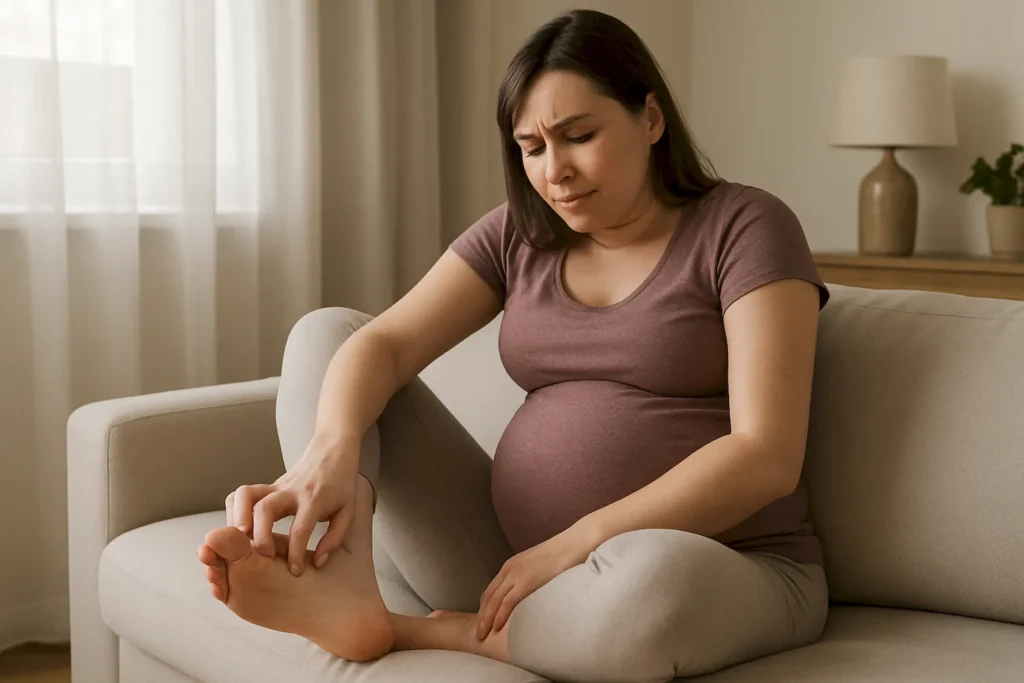
How Pregnancy Causes Itchy Feet and Hands
Itchy feet during pregnancy can result from a variety of factors, which often stem from the hormonal changes that occur in a woman’s body. As the pregnancy progresses, levels of estrogen and progesterone fluctuate significantly, which can lead to increased blood flow and potential skin sensitivities. This physiological change might cause the skin to dry out, resulting in itchiness not just in the feet but also in the hands and other areas.
| Cause | Description | Impact on Skin |
|---|---|---|
| Hormonal Changes | Fluctuations in estrogen and progesterone that affect skin. | Increased sensitivity and dryness. |
| Increased Blood Volume | Additional blood flow can cause swelling and sensitivity. | Exacerbated itchiness, especially in extremities. |
| Stretching Skin | As the baby grows, the skin stretches significantly. | May lead to dry, itchy skin as it accommodates. |
Another important factor contributing to itchy feet during pregnancy is the potential for conditions such as cholestasis, which is a liver-related issue that can manifest during pregnancy. When bile acids build up in the liver, they can leak into the bloodstream and cause severe itching, often concentrated in the hands and feet. It’s crucial for expecting mothers to monitor any drastic changes in their skin and discuss these with their healthcare provider, as some conditions could indicate more serious complications.
Factors Contributing to Itchiness
- Hormonal changes: Increased estrogen levels can affect skin condition.
- Stretching skin: Skin becomes tighter and drier around the abdominal area.
- Increased blood volume: Swelling can make feet itch due to additional pressure.
- Skin sensitivity: Elevated sensitivity to common irritants or allergens.
- Footwear issues: Ill-fitting shoes can exacerbate discomfort and itchiness.
- Liver Function: Impaired liver function can release bile acids into the bloodstream.
It is important for pregnant women to take proactive steps to relieve itchy feet and hands by keeping the skin moisturized and avoiding hot baths that can further irritate the skin. Additionally, selecting breathable footwear and maintaining proper hydration can help mitigate some of the discomfort. Listening to one’s body and responding to these changes with care is essential for overall well-being during pregnancy.
Effective Remedies for Itchy Feet and Hands During Pregnancy
Finding yourself struggling with itchy feet during pregnancy can be quite uncomfortable. Understanding how to address this issue can make a significant difference in your day-to-day well-being. There are various effective remedies that can help alleviate the annoying sensation and give you much-needed relief. By incorporating these remedies into your daily routine, you can manage the symptoms more effectively and enjoy your pregnancy journey.
One of the primary approaches to tackling itchy feet during pregnancy is using natural home remedies. These remedies often include ingredients that are readily available and safe for expectant mothers. Not only can they be soothing, but they also help hydrate and calm the skin, which can significantly reduce itching. If you’re looking for ways to combat this issue, here are some effective options:
Home Remedies
- Cool Compress: Apply a cool, damp cloth to your feet to soothe itchiness.
- Aloe Vera Gel: Utilize fresh aloe vera gel for its anti-inflammatory properties.
- Oatmeal Baths: Soak your feet in an oatmeal bath to relieve irritation.
- Moisturizing Creams: Use fragrance-free lotions to keep your skin hydrated.
- Essential Oils: Diluted lavender or chamomile essential oils can help calm the skin.
- Hydration: Drink plenty of fluids to keep your skin hydrated from the inside.
Alongside these remedies, maintaining proper skin care is vital for managing itchy feet during pregnancy. Ensure that you gently cleanse your feet and apply moisturizer regularly to keep the skin barrier intact. It is also advisable to wear comfortable, breathable footwear that minimizes friction and allows proper ventilation. This can play a key role in preventing further irritation and discomfort.
In conclusion, understanding and utilizing these effective remedies can greatly alleviate the discomfort associated with itchy feet during pregnancy. Remember to listen to your body, as each pregnancy journey is unique. If you find that these remedies are not providing sufficient relief, or if your symptoms worsen, don’t hesitate to consult with your healthcare provider for professional advice.
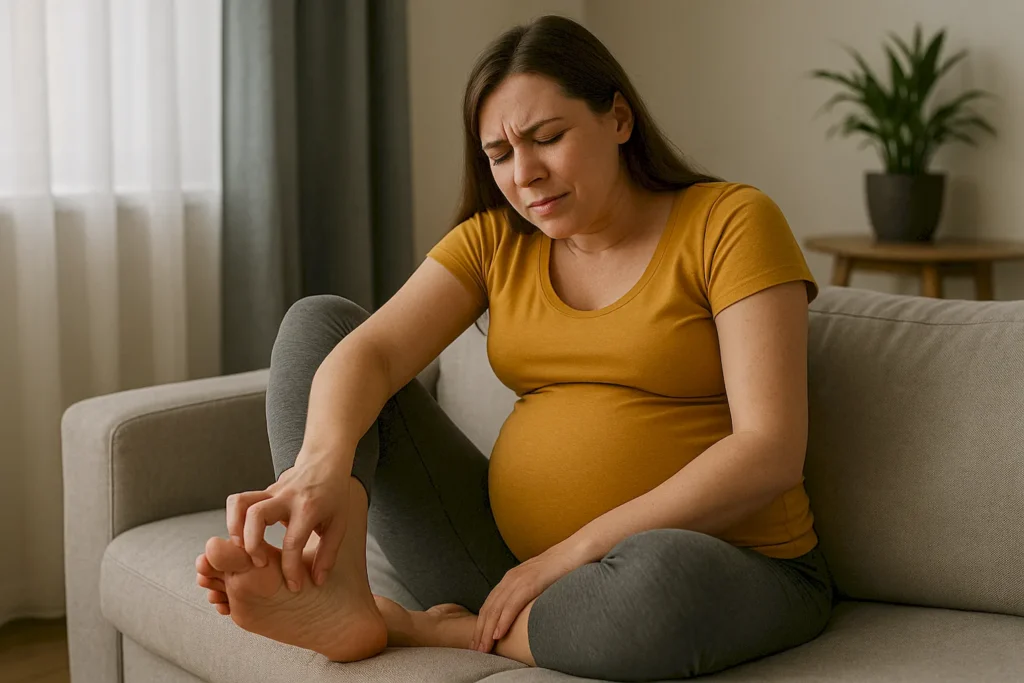
When to See a Doctor for Itchy Feet in Pregnancy
Itchy feet during pregnancy can be a common complaint, but in some cases, it may signal an underlying issue that requires medical attention. While many women experience mild itching due to hormonal changes and skin stretching, it’s important to differentiate between normal discomfort and signs that may indicate a need to consult a healthcare provider. Understanding when to see a doctor is crucial for ensuring both the mother and baby’s health.
In cases where itching is caused by allergic reactions, your healthcare provider might recommend safe antihistamines such as Zyrtec during pregnancy to help relieve symptoms. However, always consult your doctor before taking any medication to ensure it is safe for you and your baby.
Signs to Seek Medical Attention
- If the itching is severe and persistent.
- When accompanied by a rash or unexplained skin changes.
- If you experience jaundice (yellowing of the skin or eyes).
- When itching disrupts your sleep or daily activities.
- If there are signs of swelling in the feet or ankles.
- When there is an increase in anxiety related to the symptoms.
- If you notice any other unusual symptoms such as fatigue or abdominal pain.
If you find yourself wondering about whether your itchy feet during pregnancy are part of the natural changes your body is experiencing or if they require further examination, it’s essential to keep track of accompanying symptoms. Itchiness alone might be harmless, but combined with other indicators, it can prompt the need for a more serious evaluation. Prioritizing your health and well-being during this time is essential for you and your baby.
Always consult your doctor if you have concerns. Early interventions can help alleviate discomfort and rule out potential conditions. It’s better to be safe and ensure that any significant health issues are addressed promptly, rather than waiting until symptoms worsen.


