
Headaches during pregnancy are a common yet often misunderstood symptom that many expectant mothers experience. From hormonal fluctuations to changes in blood volume and posture, various factors can trigger head pain throughout the different trimesters. While occasional headaches may be harmless, persistent or severe discomfort could signal an underlying issue that requires attention. Understanding the causes, identifying warning signs, and learning safe relief methods are essential steps to ensure both maternal well-being and a healthy pregnancy journey.
What Causes Headaches During Pregnancy?
Pregnancy headaches can be a common experience for many women, particularly during the first and third trimesters. These headaches can be attributed to various factors, including hormonal changes, physical strain, and situational stressors. As the body undergoes significant changes to support the developing fetus, the shift in hormone levels can lead to increased sensitivity in the body, often resulting in discomfort such as headaches.
Additionally, dehydration is another frequent cause of headaches during pregnancy. As the body requires more fluids, an increase in blood volume and the demand for additional hydration can lead to headaches if not adequately addressed. It’s also important to consider lifestyle factors, such as sleep disturbances common during pregnancy, which can exacerbate headache symptoms.
Common Causes of Headaches During Pregnancy
- Hormonal Changes: Fluctuations in estrogen and progesterone levels.
- Dehydration: Increased need for hydration due to higher blood volume.
- Tiredness: Fatigue from physical and emotional demands of pregnancy.
- Nutritional Deficiencies: Lack of vital nutrients, such as iron or magnesium.
- Stress: Anxiety about pregnancy and upcoming changes.
- Sleep Disturbances: Frequent waking or discomfort during sleep.
- Caffeine Withdrawal: Reducing caffeine intake can trigger headaches.
Understanding these causes of pregnancy headaches is essential for managing the symptoms effectively. Many women may experience more than one type of headache during pregnancy, often linked to environmental factors or lifestyle changes. Paying attention to triggers can help expectant mothers find relief and ensure they maintain their overall health throughout this transformative period.
Are Headaches Normal During Pregnancy?
Experiencing headaches during pregnancy is a common occurrence and, in many cases, can be considered a normal part of the body’s response to changing hormones and increased blood volume. However, it’s important to differentiate between occasional discomfort and signs of more serious conditions. Many women report that headaches may spike during the first trimester but might taper off as pregnancy progresses. This fluctuation is largely due to hormonal changes, stress, and physical adjustments that occur as the body accommodates the growing fetus.
Signs That Headaches Are Normal
- Intermittent Pain: Occasional headaches that do not persist for long periods.
- Non-debilitating: Headaches that are mild to moderate and do not interfere significantly with daily activities.
- Response to Rest: Relief after resting, hydration, or using relaxation techniques.
- Timing: Headaches occurring primarily in the first trimester or late explanations of the second trimester.
- Familiar Patterns: Similar to headaches experienced outside of pregnancy.
- Environmental Triggers: Caused by identifiable factors like noise, bright lights, or hunger.
While headaches during pregnancy can be bothersome, understanding what is normal can help alleviate concerns. If headaches are accompanied by other symptoms such as visual disturbances, severe nausea, or swelling, it is advisable to consult a healthcare professional. Remember, not all headaches during pregnancy are harmful, but paying attention to your body’s signals is crucial for a healthy pregnancy experience.

First Trimester Headaches: What You Should Know
Experiencing headaches during pregnancy, especially in the first trimester, can be quite common for many women. These headaches may stem from various factors, including hormonal changes, stress, or even changes in lifestyle and dietary habits. Understanding the reasons behind first trimester headaches and how to manage them can significantly enhance your comfort during this important stage of your pregnancy.
Identifying the symptoms associated with first trimester headaches can help you differentiate between regular headache discomfort and those that may require further medical attention. Common symptoms include pulsating pain, pressure around the forehead, and in some instances, nausea. While these headaches can be annoying, it’s crucial to recognize when they may be a sign of something more serious.
| Type of Headache | Common Triggers | Recommended Relief |
|---|---|---|
| Tension Headaches | Stress, fatigue | Rest, hydration |
| Hormonal Headaches | Hormonal fluctuations | Relaxation techniques |
| Sinus Headaches | Sinus congestion | Steam inhalation, warm compress |
| Migraines | Dietary triggers, lack of sleep | Quiet environment, cold packs |
As you navigate through your first trimester, it’s beneficial to be aware of how headache patterns can change based on the trimester. Understanding these variations may assist you in managing your symptoms effectively.
Differences in Headaches by Trimester
- First trimester: Hormonal changes often trigger frequent headaches.
- Second trimester: Many women find relief as the body adjusts to hormonal fluctuations.
- Third trimester: Increased size and weight may lead to tension headaches.
- Varied intensity: Headache severity may fluctuate between trimesters.
- Change in stress levels: Emotional and physical stress may impact headache frequency.
Understanding First Trimester Symptoms
During the first trimester, headaches can manifest differently compared to other stages of pregnancy. As your body adjusts to the new hormonal environment, you may notice significant changes in your overall well-being. Some women might experience an increase in headache frequency, while others may find that headaches become less of an issue as they progress through their pregnancies. Being vigilant about your health and documenting these symptoms can provide useful information for discussions with your healthcare provider.
How to Relieve Headaches During Pregnancy Naturally
Finding effective ways to relieve headaches during pregnancy can be a challenge, especially with the limitations on medications that are safe during this special time. Fortunately, many natural remedies for headaches can help alleviate discomfort without harming you or your baby. Understanding these remedies is essential for managing your symptoms and ensuring you remain comfortable throughout your pregnancy. From herbal treatments to simple lifestyle adjustments, the options are plentiful and can be tailored to your needs.
Natural Relief Methods for Headaches
- Stay Hydrated: Dehydration can lead to headaches, so drink plenty of water throughout the day.
- Rest and Relax: Ensuring you get enough sleep and find time to relax can help reduce headache frequency.
- Apply Cold or Warm Compresses: Place a cold or warm compress on your forehead or the back of your neck to unwind tension.
- Practice Deep Breathing: Engaging in deep breathing exercises can help ease stress, which is a common headache trigger.
- Incorporate Gentle Exercise: Light activities such as walking or prenatal yoga can help alleviate tension headaches.
- Consider Aromatherapy: Using essential oils like lavender or peppermint in a diffuser may provide soothing relief.
- Maintain Good Posture: Sitting and standing correctly can prevent tension headaches caused by muscle strain.
With these methods in mind, exploring specific natural remedies for headaches can be very beneficial. For instance, herbal remedies have been used for centuries to aid in pain relief and can be particularly effective during pregnancy. Always consult with your healthcare provider before adding any herbs to your regimen to ensure their safety for you and your baby.
Herbal Remedies
Certain herbs have been traditionally recognized for their headache-relieving properties. Ginger tea, for example, is not only soothing but can also reduce nausea that some women experience during pregnancy. Additionally, magnesium supplements derived from natural sources may help to prevent tension headaches. However, it’s crucial to consult with your healthcare provider before using any herbal solutions to ensure they are suitable for your specific situation.
Lifestyle Adjustments
Incorporating simple lifestyle adjustments can significantly reduce the incidence of headaches during pregnancy. Regular exercise, even in the form of light stretching, can improve circulation and relieve tension. Additionally, managing stress through relaxation techniques such as meditation or prenatal yoga can greatly influence headache frequency. Lastly, keeping a consistent daily routine concerning meals and sleep can also promote overall wellness and headache reduction.
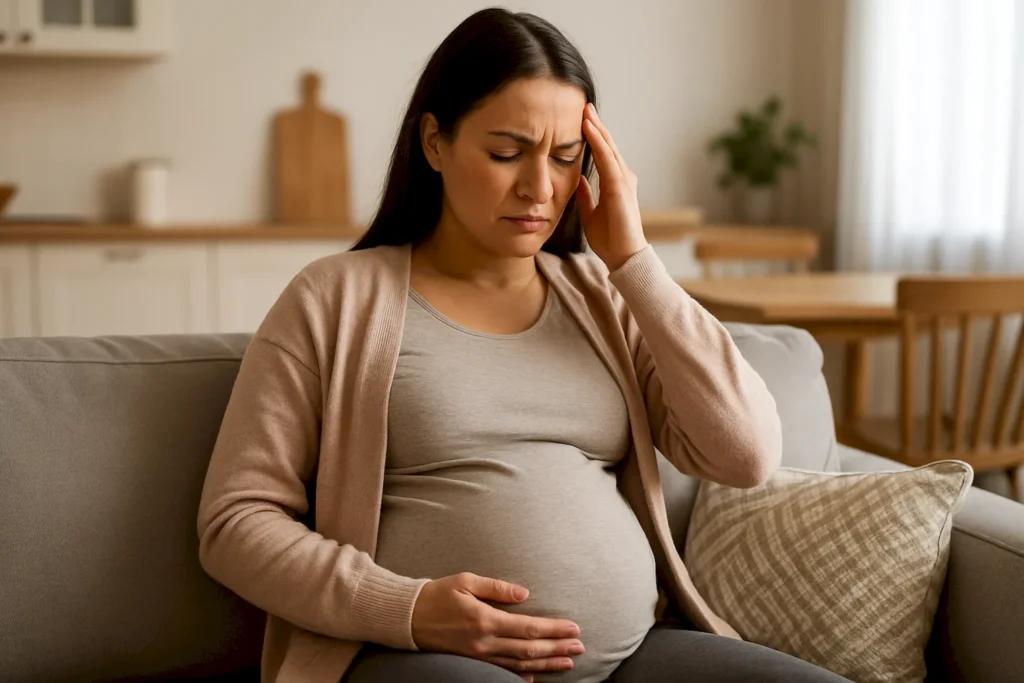
When Should You Worry About Headaches While Pregnant?
Headaches during pregnancy can range from mild to severe, and while many can be attributed to hormonal changes, fatigue, or tension, there are certain serious symptoms that you should not ignore. It’s essential for expectant mothers to differentiate between normal headaches and those that may signal more significant health concerns. Understanding when to worry can greatly affect both maternal and fetal well-being.
Warning Signs to Consider
- Severe headache that feels different from your typical headaches.
- Headaches accompanied by visual disturbances, such as blurriness or flashes of light.
- Persistent headaches that do not respond to over-the-counter pain relief.
- Swelling in the hands, face, or feet, in conjunction with headaches.
- Headaches occurring after the 20th week of pregnancy, especially with other symptoms.
- Severe abdominal pain or other unusual symptoms alongside headaches.
It is crucial for pregnant individuals to monitor their symptoms closely and consult with their healthcare provider if they experience any of the above warning signs. In many cases, headaches during pregnancy may not be serious, but they can sometimes be a precursor to conditions like preeclampsia, which requires immediate medical attention. By being aware of your body and its signals, you can ensure a safer pregnancy for both you and your baby.
In some cases, kidney pregnancy pain may also present with symptoms that mimic regular pregnancy-related discomforts like backaches or abdominal cramping. It’s important to distinguish between ordinary muscle tension and pain originating from the kidneys, as untreated infections or complications can pose risks to both mother and baby.
Migraine vs. Regular Headaches in Pregnancy
Understanding the differences between migraine headaches and regular headaches during pregnancy is crucial for expectant mothers. While both conditions can cause significant discomfort, their triggers, symptoms, and management strategies often differ. Regular headaches tend to be shorter in duration and less severe, whereas migraines can be debilitating, making it essential to identify and treat them appropriately.
Pregnant women may experience migraines differently than before their pregnancy, as hormonal shifts and other physiological changes can alter the frequency and intensity of these headaches. It’s important to recognize that while some women might experience relief from migraines during pregnancy, others may find their symptoms worsen. Understanding these nuances can help in devising effective coping strategies.
Comparison of Headache Types During Pregnancy
| Feature | Migraine Headaches | Regular Headaches |
|---|---|---|
| Duration | 4 to 72 hours | Less than 24 hours |
| Intensity | Moderate to severe | Mild to moderate |
| Associated Symptoms | Nausea, sensitivity to light/sound | Generally none |
| Triggers | Hormonal changes, stress, certain foods | Tension, dehydration, lack of sleep |
Recognizing the specific characteristics of both headaches is important for effective self-management. In some cases, lifestyle modifications such as hydration, adequate sleep, and nutritional adjustments can significantly help in reducing either type of headache. However, pregnant women must always consult healthcare providers before trying any new remedies to ensure their safety and well-being.
Comparative Features of Migraines and Regular Headaches
- Migraine headaches often present with nausea and vomiting, while regular headaches do not.
- Migraines are usually one-sided, whereas regular headaches can affect both sides of the head.
- Triggers for migraines can include hormonal fluctuations, while regular headaches often stem from tension or stress.
- Migraine sufferers may experience visual disturbances, known as aura, which is not typical for regular headaches.
- Over-the-counter pain relievers are often more effective for regular headaches than for migraines.
- A history of migraines may increase the likelihood of experiencing them during pregnancy.
In summary, understanding the differences between migraine headaches and regular headaches during pregnancy can empower expectant mothers to seek appropriate treatments, manage their symptoms more effectively, and maintain their overall well-being. As always, it is vital to communicate with healthcare professionals to ensure safe and effective management of headaches during pregnancy.

Can Pregnancy Hormones Trigger Headaches?
Yes, pregnancy hormones can indeed trigger headaches, particularly in the early stages of pregnancy. The surge in hormones such as estrogen and progesterone leads to various physiological changes in a woman’s body, which can result in hormonal headaches. Understanding these hormonal fluctuations is key to managing and alleviating headache symptoms during this transformative period.
Hormonal Changes Impacting Headaches
- Increased blood volume
- Heightened sensitivity to stimuli
- Changes in sleep patterns
- Elevated stress and anxiety levels
- Switch in dietary habits
- Fluctuations in blood sugar levels
- Changes in the body’s fluid balance
These hormonal changes can cause discomfort in various ways, leading to headaches during pregnancy. While some women may experience an increase in migraine frequency, others might face tension headaches due to stress and lifestyle changes. Therefore, it’s essential to recognize the specific triggers to help manage these headaches effectively.
Consulting with a healthcare professional can provide personalized strategies for managing hormonal headaches during pregnancy.
Aside from hormonal fluctuations, other factors such as dehydration, inadequate sleep, and poor diet choices can all contribute to headache occurrences. By being mindful of these triggers and implementing preventative measures, pregnant individuals can reduce the likelihood and severity of headaches, making their pregnancy journey more comfortable.
Tips to Prevent Headaches in Pregnancy
Pregnancy can bring about various physical and emotional changes, leading to discomforts like headaches. To effectively prevent headaches, it is crucial to incorporate healthy lifestyle habits into your daily routine. By staying aware of potential triggers and making conscious choices, you can help minimize the frequency and severity of headaches during this special time.
Effective Tips for Prevention
- Stay Hydrated: Ensure you drink plenty of water throughout the day to avoid dehydration, a common headache trigger.
- Practice Good Posture: Maintaining proper posture, especially during prolonged sitting or standing, can reduce tension and strain.
- Eat Regularly: Skipping meals may lead to blood sugar drops, which often result in headaches. Aim for nutrient-rich snacks every few hours.
- Get Sufficient Rest: Prioritize sleep and take short naps if necessary, as fatigue can significantly contribute to headaches.
- Avoid Caffeine and Sugar: While some caffeine can be acceptable, excessive intake can lead to withdrawal headaches. Monitor your consumption accordingly.
- Manage Stress: Utilize mindfulness techniques such as yoga or meditation to reduce stress levels, which can exacerbate headaches.
Incorporating these steps can create a balanced approach to your lifestyle during pregnancy, significantly aiding in the prevention of headaches. Always pay attention to your body’s signals and consult with your healthcare provider when necessary, especially if headaches persist or worsen.

When to Call a Doctor for Pregnancy Headaches
Understanding when to call a doctor regarding headaches during pregnancy is crucial for both your well-being and that of your developing baby. While many women experience headaches as part of the normal changes occurring in their bodies, there are specific indicators that signal the need for medical evaluation. Persistent or severe headaches may warrant particular attention, especially if they are accompanied by other concerning symptoms.
Indicators for Seeking Medical Help
- Headaches that worsen over time
- Severe pain that feels different from a typical headache
- Accompanied by visual disturbances or blurred vision
- Fever, stiff neck, or rash alongside headache symptoms
- Persistent nausea or vomiting without relief
- Swelling in the hands or face
- Signs of a potential stroke, such as sudden weakness
If you experience any of these indicators, it is essential to seek medical advice promptly. Your healthcare provider can help diagnose whether your headaches are related to pregnancy or if they signify a more serious condition, such as preeclampsia, which requires immediate treatment. Remember, it’s always better to err on the side of caution and consult a medical professional when you have concerns during pregnancy.