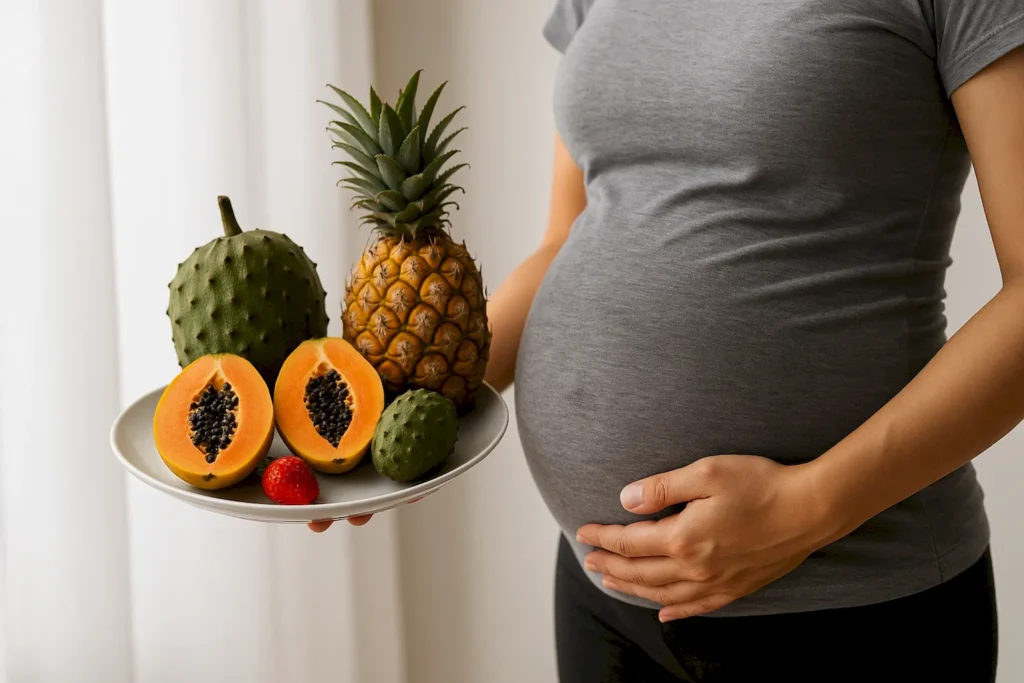
Fruits to avoid during pregnancy are an important consideration for maintaining a safe and balanced diet throughout all stages of gestation. Some fruits can pose potential health risks to expectant mothers, especially during the early weeks. Understanding the fruits to avoid in pregnancy—such as papaya, pineapple, grapes, mango, and grapefruit—is essential for reducing complications and promoting well-being. Unripe or exotic fruits may also present concerns, making it crucial to choose wisely. By identifying which fruits to limit or eliminate, pregnant women can support a healthy nutritional path while minimizing unnecessary risks.
Why Should You Avoid Certain Fruits During Pregnancy?
Pregnancy brings about a myriad of changes in the body, and it is crucial to monitor dietary choices closely. While fruits are generally a healthy addition to any diet, certain fruits to avoid during pregnancy should be considered due to potential health risks. These risks can stem from various factors such as the presence of harmful compounds, allergies, or unpasteurized varieties that can pose a threat to both the mother and the developing fetus.
Reasons to Avoid Certain Fruits
- Some fruits may contain high levels of natural sugars, which can affect blood sugar levels.
- Unripe or improperly handled fruits may harbor bacteria and parasites.
- Certain fruits may trigger allergic reactions in some pregnant women.
- Fruits like papaya and pineapple can stimulate uterine contractions.
- Exotic fruits may not be well studied, raising concerns about their safety.
- Preservatives and chemicals used in imported fruits can be harmful.
It’s essential to be aware of these potential risks associated with certain fruits to avoid in pregnancy. For example, while tropical fruits may seem appealing, they may not be the best choice during this delicate period. As the body undergoes transformation, sensitivity to certain ingredients can heighten, making it crucial to prioritize safety in all dietary selections.
To ensure both the mother’s and baby’s health, consulting with healthcare professionals before making any major dietary changes is advisable. They can guide you on how to maintain a balanced diet and advise on any specific fruits to avoid during pregnancy. Making informed decisions will help create a safer environment for both you and your baby as you navigate through the journey of pregnancy.
List of Fruits to Avoid During Pregnancy
During pregnancy, maintaining a balanced and safe diet is crucial for both the mother and the developing baby. While fruits are generally a vital part of a healthy diet, there are certain fruits to avoid during pregnancy due to their potential risks. Understanding which fruits fall into this category can help pregnant women make informed dietary choices that safeguard their health and the health of their unborn child.
Some fruits contain substances that may not be safe for consumption during pregnancy. These include compounds that could lead to digestive issues or hormonal imbalances. Additionally, certain fruits may harbor bacteria or pesticides that pose risks. It is essential for expectant mothers to recognize these foods as part of their ongoing wellness. The following table outlines key harmful fruits and their respective risks during pregnancy.
| Fruit | Risk | Advice |
|---|---|---|
| Papaya | Unripe papaya contains latex, which can cause uterine contractions. | Avoid unripe papaya completely. |
| Pineapple | Contains bromelain, which may soften the cervix. | Limit consumption or avoid during early pregnancy. |
| Mango | Excessive consumption may lead to high sugar levels. | Consume in moderation. |
| Grapes | High pesticide residue; may impact hormonal balance. | Wash thoroughly or consider organic options. |
Understanding the implications of consuming certain fruits is vital for pregnant women. Incorporating safer alternatives can help mitigate risks. Below is a list of some of the top fruits to avoid in pregnancy.
Top Fruits to Avoid
- Papaya (especially unripe)
- Pineapple
- Mango (excessive amounts)
- Grapes (due to pesticide risks)
- Lychee (may cause low blood sugar)
- Starfruit (possible kidney issues)
It is important for pregnant women to be aware of these fruits to avoid during pregnancy to ensure a more balanced diet. By opting for safer fruit choices, they can protect their health and support their baby’s development effectively. Careful dietary planning and consultation with healthcare providers are advisable to navigate dietary restrictions during this delicate time.
Examples of Harmful Fruits
In addition to the fruits listed above, there are other varieties that can pose health issues during pregnancy. For instance, certain exotic fruits may not be safe if they are not properly washed or prepared. Even common fruits such as apples and peppers should be thoroughly washed to remove any lingering pesticides. Staying informed about the fruits to avoid in pregnancy will empower expectant mothers to make better dietary choices.
Fruits to Avoid During the First Trimester of Pregnancy
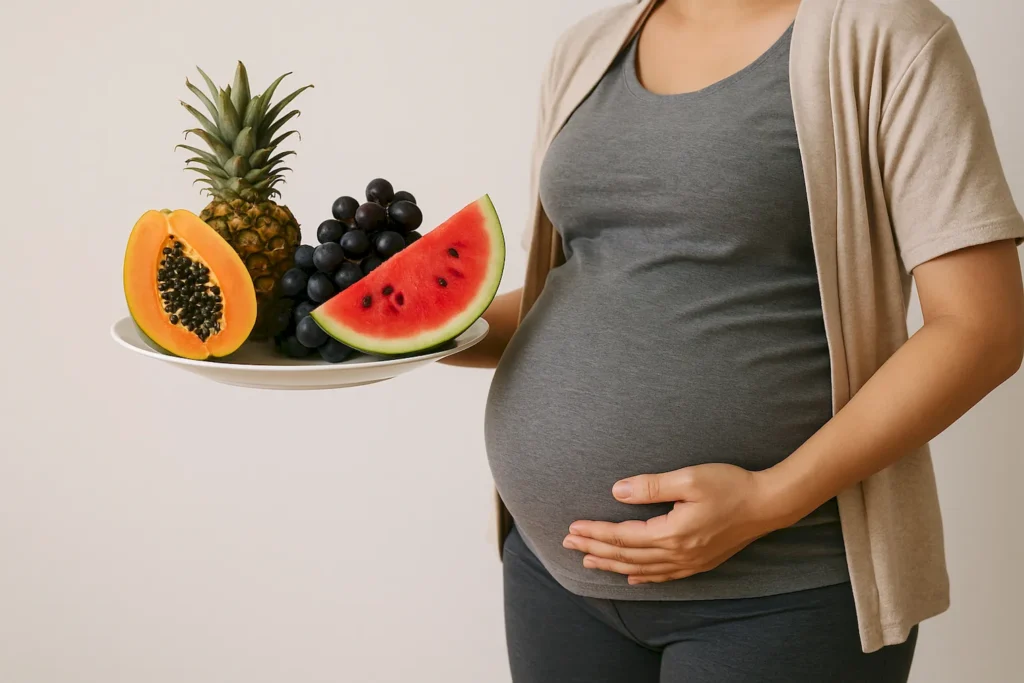
During the crucial first trimester of pregnancy, it is essential to be mindful of fruits to avoid during pregnancy. While many fruits offer health benefits and vital nutrients, some can pose risks that may affect both the mother and developing fetus. The first trimester is particularly sensitive, making it important to navigate your diet carefully. The following paragraphs will highlight specific fruits that should be avoided to help ensure a balanced and safe diet.
Fruits to Avoid in the First Trimester
- Unripe Papaya
- Pineapple
- Grapes
- Dates
- Lychee
- Starfruit
- Bitter Melon
Each of these fruits has its own reasons for being listed as fruits to avoid in pregnancy. For instance, unripe papaya contains latex, which can trigger contractions, while pineapple is famously linked to softening of the cervix. Grapes, although nutritious, can have high levels of resveratrol, which might impact hormone levels during early pregnancy. By avoiding these fruits, you can minimize any potential risks and better support your pregnancy journey.
In addition to the fruits listed, it’s important to be cautious with exotic fruits that may not be familiar. Not all fruits available in stores are safe during pregnancy due to potential exposure to pesticides or other harmful substances. Always prioritize organic options when possible and consult your healthcare provider for personalized dietary guidance.
Taking the time to understand and make informed choices about your diet is a vital step in ensuring a healthy pregnancy.
Is Papaya Safe During Pregnancy or Should It Be Avoided?
The consumption of fruits during pregnancy is crucial for the health of both the mother and the developing fetus. However, certain fruits to avoid during pregnancy can pose risks that expecting mothers should be aware of. One of these fruits is papaya, which, although nutritious, can have potential adverse effects during pregnancy. Understanding the implications of eating papaya is essential to ensuring a safe and balanced diet during this important time.
Reasons Papaya Should Be Avoided
- Papaya contains latex, which can trigger uterine contractions.
- Unripe papaya poses higher risks due to increased levels of certain compounds harmful in pregnancy.
- Raw papaya may interfere with the absorption of essential nutrients.
- It can cause digestive issues, leading to discomfort for the mother.
- Potential allergic reactions in sensitive individuals.
- High amounts of certain enzymes that can affect hormonal balance.
While ripe papaya is safer than unripe varieties, the risks still warrant caution, and it is often recommended to exclude papaya from your diet during pregnancy. In general, awareness of fruits to avoid in pregnancy is critical as some fruits, like pineapple and unripe mango, also entail similar risks. Overall, it is advisable for pregnant women to opt for safer fruit alternatives that provide nutritional benefits without the associated risks.
Why You Should Be Careful with Pineapple During Pregnancy
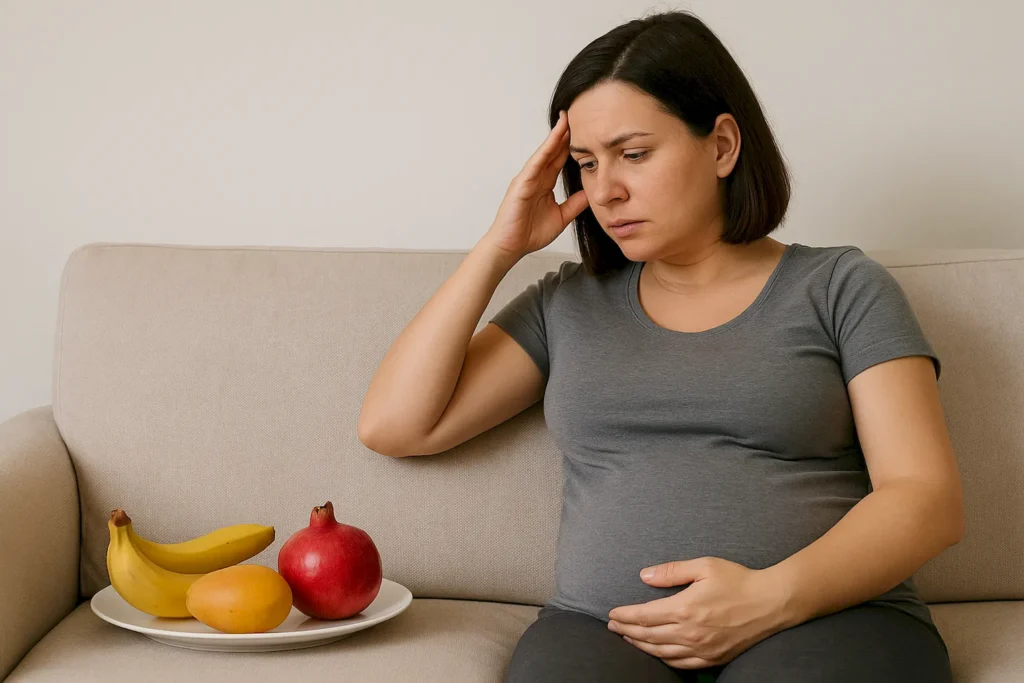
Pineapple is often celebrated for its refreshing taste and numerous health benefits. However, during pregnancy, it’s categorized among the fruits to avoid during pregnancy due to its potential effects. One key concern is that pineapple contains bromelain, an enzyme that may cause the cervix to soften and could potentially lead to contractions. While consuming pineapple in moderation is usually safe, it is crucial to be informed about the risks associated with excessive consumption.
Precautions with Pineapple
- Limit intake to a few slices to avoid excessive bromelain consumption.
- Avoid canned pineapple, which can contain added sugars and preservatives.
- Consult your healthcare provider before adding pineapple to your diet.
- Monitor your body for any unusual reactions after consuming pineapple.
- Prioritize fresh pineapple over processed options for maximum health benefits.
- Consider substituting pineapple with safer fruits in your pregnancy diet.
Aside from the concerns over bromelain, pineapple may also lead to digestive issues, such as heartburn or acid reflux, which can be more prevalent during pregnancy. These conditions can cause discomfort and may further complicate your dietary choices. Therefore, it is essential to listen to your body and make informed decisions when it comes to including pineapple in your pregnancy diet.
In summary, while pineapple can be a delicious addition to many meals, being cautious is vital. Understanding which fruits to avoid in pregnancy can help you maintain a balanced and safe diet. It’s always best to consult with a healthcare professional before making significant changes to your diet during pregnancy, ensuring both your health and that of your developing baby are prioritized.
Is Grapes Consumption Risky While Pregnant?
When it comes to maintaining a healthy diet during pregnancy, being informed about fruits to avoid during pregnancy is essential. Although grapes are often considered a nutritious choice due to their antioxidants and vitamins, there are considerations that expectant mothers should take into account. Grapes may pose potential risks when consumed in excess, mainly due to their high sugar content and the presence of pesticide residues. This can raise concerns regarding their overall safety for both the mother and the developing fetus.
| Risk Factor | Details | Potential Impact |
|---|---|---|
| High Sugar Levels | Grapes contain natural sugars which may lead to excessive weight gain. | Increased risk of gestational diabetes. |
| Pesticide Residues | Conventionally grown grapes may contain harmful pesticides. | Potential exposure to harmful chemicals. |
| Possible Allergic Reactions | Some individuals may have allergies to grapes. | Possible complications such as hives or breathing issues. |
| Moderation is Key | Consuming a limited amount may mitigate risks. | Balanced intake promotes overall wellbeing. |
Understanding the potential risks associated with grapes consumption during pregnancy is crucial. Regularly indulging in grapes might not present an immediate threat, but it’s important to remain cautious. The high sugar levels in grapes can affect blood glucose levels and lead to complications such as gestational diabetes if consumed in large quantities. Therefore, moderation plays a pivotal role in deciding whether these fruits should be included in your diet.
Potential Risks of Grapes
In addition to the sugar content, the potential pesticide residues found on grapes represent another significant risk for pregnant individuals. When considering fruits to avoid during pregnancy, grapes often come up due to these pesticide concerns. Studies have indicated that certain pesticides can affect fetal development, so opting for organic grapes when available is advisable. Furthermore, some individuals may experience allergic reactions to grapes, which can pose additional health risks during pregnancy. Awareness of these factors can empower expectant mothers to make better dietary choices.
Grapes Comparison: Safe vs Risky
- Organic grapes – generally safer due to fewer pesticide residues.
- Seedless grapes – lower chance of choking hazards.
- Red and black grapes – higher antioxidant levels.
- Excessive consumption – may lead to blood sugar spikes.
- High sugar levels – should be monitored to prevent gestational diabetes.
- Allergic individuals – should avoid grapes entirely.
- Moderation key – include grapes occasionally if well-tolerated.
In summary, while grapes can be part of a healthy diet, awareness of their potential risks allows for effective management while pregnant. Always consult with your healthcare provider for personalized dietary advice, especially when determining fruits to avoid during pregnancy. Making informed decisions can help ensure a balanced and safe diet throughout this important time.
Should You Avoid Mango During Pregnancy?
Mangoes are often celebrated for their sweet flavor and numerous health benefits; however, during pregnancy, caution is warranted. Pregnant women need to be especially mindful of their diet to ensure both their health and the well-being of their developing baby. As such, it’s important to evaluate whether mango should be included in your diet or avoided. When considering fruits to avoid in pregnancy, mangoes often come up due to their high sugar content and other potential risks. While ripe mangoes are generally safe in moderation, there are reasons that may lead one to limit their consumption.
Reasons to Limit Mango Consumption
- High Sugar Content: Mangoes contain a significant amount of natural sugars, which can lead to gestational diabetes if consumed in excess.
- Allergic Reactions: Some individuals may experience allergic reactions to mangoes, which can be heightened during pregnancy.
- Risk of Salmonella: If not washed properly, mango skins could harbor bacteria that pose risks during pregnancy.
- Increased Body Heat: Traditional beliefs suggest that mangoes can increase body heat, which may not be advisable for pregnant women.
- Potential for Acidity: Mangoes can be acidic, which may lead to heartburn or acid reflux in some pregnant women.
- Moderation is Key: While mangoes can be enjoyed, it’s crucial to keep portions small to avoid potential health issues.
Maintaining a balanced diet is essential, and although mango can offer some vitamins and minerals, moderation is key. If you’re craving mango, consider consulting with your healthcare provider for personalized advice. It’s also wise to explore other fruits that may provide similar benefits while being safer options during pregnancy. Always prioritize a variety of foods to ensure a well-rounded and nutritious diet.
Can Grapefruit Be Harmful During Pregnancy?
During pregnancy, it is crucial to be mindful of what you consume, especially when it comes to fruits to avoid during pregnancy. Grapefruit, in particular, has garnered attention for its potential harmful effects on pregnant women. The chemical compounds found in grapefruit can interfere with certain medications that may be prescribed during pregnancy, potentially leading to adverse effects on both the mother and the developing fetus.
Grapefruit Dangers
- Medication Interference: Grapefruit can interact with enzymes that metabolize specific drugs, increasing their potency and risk of side effects.
- Hormonal Effects: The consumption of grapefruit may affect hormone levels, which can be crucial during pregnancy.
- Possible Allergic Reactions: Some individuals may experience allergic responses to grapefruit, presenting additional health risks.
- High Acidity: Grapefruit is quite acidic, which could lead to digestive discomfort or acid reflux in pregnant women.
- Blood Sugar Levels: For those managing blood sugar, grapefruit can impact levels, which is worth considering during pregnancy.
- Nutritional Imbalance: Relying too heavily on grapefruit may mean missing out on more nutrient-rich fruit options.
It’s essential for expectant mothers to consult with healthcare providers regarding their diet, particularly concerning fruits to avoid in pregnancy. Monitoring grapefruit intake is wise since it may lead to unintended complications. By practicing caution and seeking balanced alternatives, women can nurture both their health and the health of their baby more effectively.
Are Unripe or Exotic Fruits Dangerous During Pregnancy?
Pregnancy brings with it a plethora of dietary considerations, particularly when it comes to fruits. While fruits are generally beneficial for both the mother and the developing baby, certain fruits to avoid in pregnancy must be taken seriously. Unripe and exotic fruits can pose potential risks due to their chemical compositions, which may not be safe for expectant mothers. Understanding which fruits to be cautious about can help promote a balanced and safe diet during this critical time.
When considering fruits during pregnancy, unripe variations are particularly concerning. They often contain higher levels of certain compounds that could cause discomfort or health issues. For example, unripe bananas and papayas carry enzymes that can lead to contractions or digestive distress. Additionally, some expectant mothers wonder about the safety of consuming fruits like watermelon during pregnancy, which is generally considered safe and hydrating but should still be consumed in moderation. Therefore, it’s essential to be aware and avoid these fruits unless they are fully ripe and safe for consumption. The following section provides insight into some of these potentially harmful fruits.
List of Potentially Harmful Fruits
- Unripe Papaya
- Unripe Banana
- Figs
- Durian
- Passion Fruit
- Starfruit
- Gooseberries
Exotic fruits may also come with specific advisories during pregnancy. Some of these fruits can have laxative effects or may cause allergic reactions, making them high-risk choices. It’s crucial to approach the consumption of exotic fruits with caution. As with any dietary decision in pregnancy, consulting with a healthcare provider about specific fruits that fit into your diet is always advisable.
Remember, prioritizing safety can lead to healthier outcomes for both mother and child.

Side Effects of Eating the Wrong Fruits During Pregnancy
During pregnancy, the choices you make about your diet become crucial for both the health of the mother and the developing fetus. While many fruits are safe and beneficial, there are fruits to avoid during pregnancy that could pose serious health risks. Consuming the wrong fruits can lead to adverse effects such as digestive issues, allergic reactions, or even affect fetal development. Hence, it is essential to be informed about what is safe to eat and what should be avoided.
Fruits and Their Associated Risks During Pregnancy
| Fruit | Risks | Safe Consumption Tips |
|---|---|---|
| Papaya | Contains latex, which may trigger premature contractions | Avoid unripe or semi-ripe papaya |
| Pineapple | May cause uterine contractions | Limit intake; choose well-ripened ones |
| Grapes | Contains resveratrol, which could affect fetal development | Consume in moderation; wash thoroughly |
| Mango | High in sugar, which can lead to gestational diabetes | Choose ripe mangoes; avoid excessive consumption |
Fruits are generally packed with vitamins, minerals, and fiber, yet not all fruits are pregnant-friendly. Some fruits, when consumed, could lead to undesirable outcomes. For example, fruits like unripe papaya can induce contractions due to their latex content, while pineapple may trigger similar effects due to the enzyme bromelain. Understanding the implications of eating these fruits to avoid during pregnancy can provide significant health benefits for both the mother and the baby.
Side Effects Summary
- Digestive issues, including bloating and diarrhea
- Possible allergic reactions
- Increased risk of premature labor
- Poor fetal development outcomes
- Gestational diabetes risks from high-sugar fruits
To maintain a healthy pregnancy, it is essential to be vigilant about fruit consumption. Consulting with healthcare professionals about fruits to avoid during pregnancy is always recommended. This practice ensures that your diet supports a balanced and safe experience throughout your pregnancy, allowing for the healthy development of your baby. Making informed choices can lead to better health outcomes for both mother and child.
What Fruits Are Safe Alternatives During Pregnancy?
When considering the fruits to avoid during pregnancy, it is crucial to also explore safe alternatives that can provide essential nutrients without posing risks. Many women experience cravings for sweet, juicy fruits, but understanding which options are safe can significantly impact maternal and fetal health. It’s particularly important to ensure that the fruits consumed are fresh, washed thoroughly, and free from any pesticides. Opting for organic fruits or those that are peeled can help in reducing exposure to harmful substances.
Recommended Safe Fruits
- Bananas – A great source of potassium and fiber.
- Apples – Packed with vitamins and antioxidants.
- Pears – High in fiber and excellent for digestion.
- Oranges – Rich in vitamin C and hydration.
- Berries – Low in calories and full of antioxidants.
- Mangoes – If fully ripe, they can be safe and nutritious.
- Pomegranates – Contains rich nutrients beneficial for pregnancy.
Inclusion of these fruits can enhance your diet during pregnancy while helping to satisfy cravings. Remember to consult with your healthcare provider regarding the inclusion of any new fruits, especially if you have pre-existing conditions. Making informed choices about fruits to avoid during pregnancy will assist in achieving a balanced and safe diet, ensuring both you and your baby receive adequate nutrition without unnecessary risks.