
Cinnamon pregnancy is a topic of growing interest among expectant mothers seeking natural ways to support their health. Understanding the potential effects of cinnamon during pregnancy is essential, as this popular spice can offer both benefits and risks. While cinnamon may help ease symptoms like morning sickness and assist in regulating blood sugar levels, it’s important to approach its use with caution. Factors such as the type of cinnamon, appropriate dosage, and timing of consumption all play a critical role in ensuring safety. This guide explores how cinnamon can be used safely during pregnancy, when it might be best to avoid it, and practical tips for incorporating it into a balanced prenatal diet.
What Is Cinnamon Pregnancy?
Cinnamon pregnancy refers to the use of cinnamon as a spice and potential supplement during pregnancy. While many expectant mothers may seek natural remedies to alleviate various symptoms or enhance their diet, it is crucial to be informed about the effects of cinnamon during pregnancy. Cinnamon is known for its aromatic properties and health benefits, but the safety and dosage must be considered carefully for pregnant women.
Throughout pregnancy, hormonal changes can affect how the body reacts to different ingredients, including spices like cinnamon. Research indicates that moderate consumption of cinnamon is generally safe, but it is vital not to overindulge. Some forms of cinnamon, particularly Cassia cinnamon, contain high levels of coumarin, which can pose risks if consumed in large quantities. Therefore, expecting mothers should approach cinnamon with caution in order to avoid any potential adverse effects.
Key Points about Cinnamon During Pregnancy
- Cinnamon can help manage blood sugar levels.
- Moderation is key; excessive intake could lead to complications.
- Choose Ceylon cinnamon over Cassia to minimize coumarin consumption.
- Always consult your healthcare provider before adding cinnamon to your diet.
- Incorporate cinnamon into your meals rather than taking supplements.
- Watch for any allergic reactions or discomfort when consuming cinnamon.
- Consider alternatives to cinnamon when experiencing nausea or other pregnancy-related symptoms.
Given the various benefits cinnamon can offer, it remains a popular choice among many expecting mothers. From flavoring food to possibly easing pregnancy-related discomforts, cinnamon has its allure. However, it is essential to prioritize safety and balance its intake with guidance from a medical professional. Understanding the implications of cinnamon pregnancy will help ensure a healthier journey for expectant mothers.
Is Cinnamon Safe During Pregnancy?
When considering the use of cinnamon during pregnancy, it is essential to evaluate both its potential benefits and risks. While cinnamon is a popular spice known for its flavor and health properties, pregnancy brings about unique health considerations. Pregnant individuals often experience changes in their bodies, which can affect how substances are metabolized, thus necessitating a cautious approach to include cinnamon in their diets.
Factors to Consider for Safety
- Consult with a healthcare provider before adding cinnamon supplements.
- Monitor for any allergic reactions or sensitivities.
- Limit quantity to culinary uses, e.g., in cooking and baking.
- Opt for Ceylon cinnamon over Cassia cinnamon, as it contains lower levels of coumarin.
- Avoid concentrated extracts and oils.
- Consider any preexisting health conditions, such as gestational diabetes.
While small amounts of cinnamon may be harmless and even beneficial, it is crucial to ensure that it is consumed in moderation. Furthermore, the form in which it is taken matters—culinary spice usage is generally regarded as safe during pregnancy, while high-dose supplements or extracts might carry risks. Cognizance of personal health and monitoring reactions can help facilitate a safe incorporation of cinnamon into a pregnancy diet.
Always check with a medical professional for personalized advice regarding cinnamon consumption during pregnancy.
In summary, while cinnamon can be enjoyed in various ways during pregnancy, taking the necessary precautions is essential. By considering factors such as the type of cinnamon and the amounts consumed, pregnant individuals can safely enjoy this versatile spice without compromising their health or the health of their developing baby.

Potential Benefits of Cinnamon During Pregnancy
Cinnamon during pregnancy has garnered interest for its potential health benefits. This aromatic spice, known for its unique flavor and fragrance, may offer several positive effects for expectant mothers. While it’s essential to be cautious and consult healthcare providers before incorporating any new supplements or spices into your diet, understanding the benefits of cinnamon can help pregnant women make informed choices.
One of the primary advantages of cinnamon is its rich nutritional profile. It contains vital vitamins and minerals that can contribute positively to overall health. Additionally, cinnamon is high in antioxidants, which are crucial for boosting the immune system and fighting off infections during pregnancy. Expecting mothers may find that adding this spice to their diet can help fortify their bodies against common ailments, thus enhancing their well-being and that of their developing babies.
| Benefit | Description | Source |
|---|---|---|
| Rich in Antioxidants | Cinnamon is loaded with powerful antioxidants that protect cells from damage. | Healthline |
| Supports Digestive Health | This spice can help alleviate common digestive issues such as bloating and gas. | WebMD |
| Regulates Blood Sugar | Cinnamon may help maintain stable blood sugar levels, reducing the risk of gestational diabetes. | Nutrition Journal |
| Anti-inflammatory Properties | The anti-inflammatory effects of cinnamon can help manage discomfort and swelling during pregnancy. | Journal of Nutrition |
In addition to its nutritional benefits, cinnamon possesses significant medicinal properties. Studies have suggested that cinnamon can help regulate blood sugar levels, which is particularly beneficial for pregnant women who may be at risk of gestational diabetes. This blood sugar regulation, coupled with its anti-inflammatory effects, can aid in alleviating physical discomfort and reduce the risk of excess weight gain throughout pregnancy.
Nutritional Benefits
Incorporating cinnamon during pregnancy can also enhance dietary variety, providing essential nutrients that may be lacking in a standard diet. Moreover, this spice can improve gut health, which is vital for nutrient absorption and overall health. Pregnant women often experience digestive issues, and the consumption of cinnamon may ease such discomfort, allowing for a more enjoyable pregnancy experience.
Medicinal Properties
Finally, it is crucial to recognize the potential benefits of cinnamon regarding its antibacterial properties. Cinnamon has been found to combat various bacterial strains, potentially enhancing immune function and protecting both mother and baby from infections. However, it is always recommended to discuss any dietary changes with a healthcare provider to ensure safety and efficacy during pregnancy.
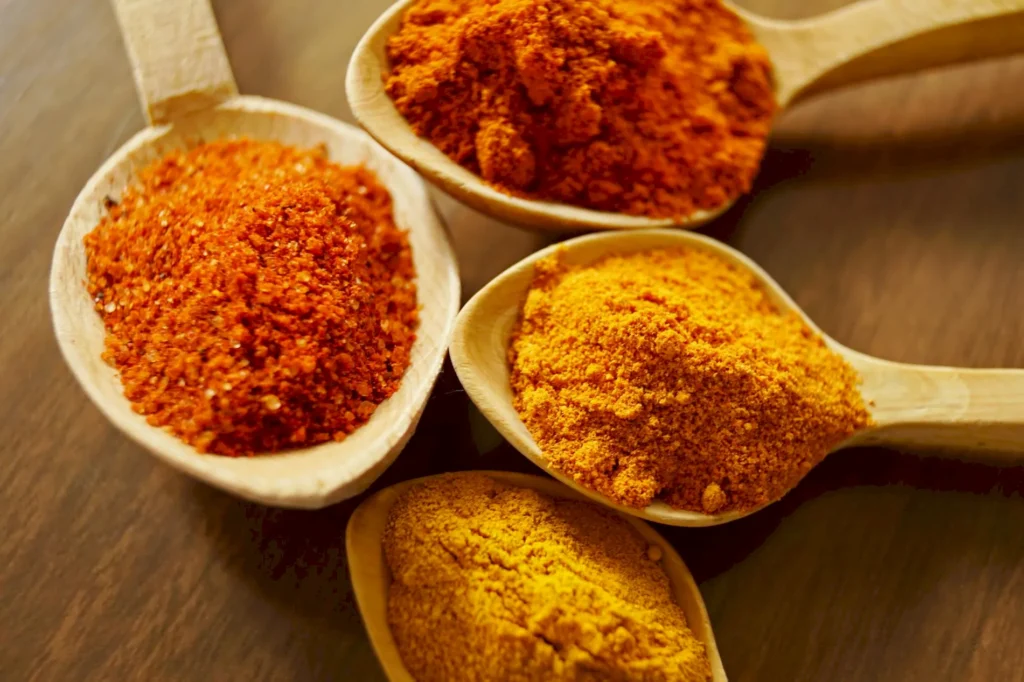
Risks and Precautions: Is Cinnamon Bad for Pregnancy?
While many expectant mothers may seek natural remedies or flavor enhancers like cinnamon during pregnancy, it’s essential to understand the potential risks associated with cinnamon consumption. This spice, commonly used in various cuisines, can carry health implications that warrant careful consideration. Pregnant women should be particularly aware of how their dietary choices can affect both their health and the developing fetus.
A major concern with cinnamon is its coumarin content, which can lead to a variety of complications. Too much coumarin can be harmful, especially for pregnant women, as it may affect liver function and increase the risk of bleeding. Additionally, excessive consumption of cinnamon can potentially lead to allergic reactions or gastrointestinal discomfort. Therefore, moderation is key when considering cinnamon pregnancy benefits versus risks.
Health Risks
It’s crucial for pregnant women to be cautious about cinnamon during pregnancy. High doses of this spice can result in unwanted side effects that contradict health goals typically sought during pregnancy.
| Health Concern | Possible Effects | Recommended Action |
|---|---|---|
| Allergic Reactions | Skin rashes, itching | Limit intake; consult a doctor if symptoms occur |
| Bleeding Risk | Increased risk during labor | Avoid high doses; consult healthcare provider |
| Liver Damage | Possible hepatotoxicity | Limit consumption to safe amounts |
| Digestive Issues | Nausea, stomach upset | Monitor body’s response; reduce intake if needed |
Risks Associated with Cinnamon Consumption
- Potential liver toxicity due to high coumarin levels
- Increased risk of bleeding, particularly in later pregnancy
- Possible allergic reactions affecting skin
- Digestive disturbances, such as upset stomach
- Interactions with medications, particularly blood thinners
- Impact on blood sugar levels, requiring careful monitoring
Given these potential risks of cinnamon, pregnant women should take precautionary measures to ensure they safely incorporate this spice into their diets. Consulting a healthcare professional before introducing cinnamon in any form is always a sound practice. Listening to one’s body is also vital; if any adverse effects are noticed after consuming cinnamon, it’s advisable to discontinue use immediately.
Is Cinnamon Tea Safe During Pregnancy?
When it comes to cinnamon during pregnancy, many expectant mothers may wonder about the safety of consuming it in various forms, including cinnamon tea. While cinnamon is a popular spice known for its aromatic flavor and potential health benefits, it is crucial to understand how it may affect pregnancy. Health experts generally regard cinnamon as safe in moderate amounts, but it is always wise to consult with a healthcare provider. Additionally, the type of cinnamon and the quantity consumed can play significant roles in its safety and efficacy during pregnancy.
Steps to Safely Enjoy Cinnamon Tea
- Consult with your healthcare provider before adding cinnamon tea to your diet.
- Choose Ceylon cinnamon over Cassia cinnamon, as it contains lower levels of coumarin, which can be harmful in high doses.
- Limit your intake to 1-2 cups of cinnamon tea per day for safety.
- Use natural sweeteners, like honey, instead of sugar for added health benefits.
- Monitor your body’s reaction to cinnamon tea and discontinue use if you experience any adverse effects.
- Stay hydrated and continue to maintain a balanced diet while enjoying coconut water during pregnancy.
- Educate yourself on the health benefits and risks associated with cinnamon tea safety during pregnancy.
Each pregnancy is unique, and what may work for one woman might not be safe for another. Therefore, it is essential to listen to your body and consult healthcare professionals regarding any dietary changes. For many expectant mothers, occasional consumption of cinnamon tea can offer comfort and enjoyment without significant risks. However, always remain vigilant about moderation and ingredient sources to ensure that you are prioritizing your health and that of your baby.
In summary, while cinnamon tea can be a delightful addition to your pregnancy diet, it is important to proceed with caution. Focusing on quality, consulting your healthcare provider, and adhering to recommended consumption limits can help ensure a safe experience for you and your baby. Remember that cinnamon during pregnancy should be enjoyed responsibly to maximize potential benefits while minimizing risks.

How Much Cinnamon Is Safe During Pregnancy?
When considering cinnamon during pregnancy, it is essential to understand how much is safe to consume. Cinnamon possesses various health benefits but should be taken in moderation. The general recommendation is to use cinnamon as a spice in cooking rather than taking it as a concentrated supplement, as excessive amounts may lead to complications. Pregnant women should consult with their healthcare provider before incorporating significant amounts of cinnamon into their diet.
Recommended Dosages
- Use cinnamon in cooking to enhance flavor.
- Aim for about 1 teaspoon (2-4 grams) of ground cinnamon daily.
- Limit consumption of cinnamon supplements or extracts.
- Monitor any adverse reactions and consult a doctor if needed.
- Integrate cinnamon into meals alongside other healthy foods.
When determining safe dosage recommendations, it’s essential to consider the type of cinnamon being used. The two most common types are Ceylon (true cinnamon) and Cassia. Ceylon cinnamon contains lower levels of coumarin, a compound that can be toxic in large amounts, making it a safer option for pregnant women. Opting for Ceylon cinnamon, while keeping portion sizes moderate, can help pregnant individuals enjoy its benefits without unnecessary risks.
Comparison of Cinnamon Types
Cinnamon’s safety during pregnancy can vary significantly based on the type consumed. Ceylon cinnamon is known for its mild flavor and lower coumarin content, which is preferable for pregnant women. In contrast, Cassia cinnamon tends to have a higher concentration of coumarin, potentially leading to harmful effects if consumed excessively. Therefore, it’s advisable for expectant mothers to choose Ceylon cinnamon whenever possible, ensuring they maintain a safe and healthy diet during this critical time.
Tips for Using Cinnamon Safely While Pregnant
When considering the inclusion of cinnamon during pregnancy, it is essential to approach its use with caution. While cinnamon can offer several benefits, understanding how to incorporate it safely plays a vital role in protecting both the mother and the developing fetus. Pregnant women should always consult with their healthcare provider before adding any new spice or supplement to their diet and follow best practices for consumption to avoid any potential complications.
Safe Usage Tips
- Consult a healthcare professional for personalized advice on using cinnamon safely.
- Limit consumption to small amounts, typically found in food, rather than high doses.
- Opt for Ceylon cinnamon, which is less likely to contain high levels of coumarin, a compound that can be harmful in large quantities.
- Avoid cinnamon supplements and extracts, as they may contain concentrated levels of the spice.
- Incorporate cinnamon into a balanced diet, focusing on whole foods rather than sugary products.
- Be alert to any allergic reactions or adverse effects when introducing cinnamon to your diet.
- Keep track of your overall spice intake to ensure moderation in your diet.
Incorporating these tips not only promotes better consumption practices but also allows pregnant women to enjoy the potential flavors and benefits of cinnamon without the associated risks. Maintaining a balanced approach will help ensure that cinnamon pregnancy practices remain beneficial rather than detrimental, contributing to a healthier and happier pregnancy experience.
When to Avoid Cinnamon During Pregnancy
Cinnamon during pregnancy can be a topic of debate, as it comes with both potential benefits and risks. It is important to be informed about when to avoid cinnamon to ensure the safety of both the mother and the developing fetus. Excessive consumption of cinnamon may lead to complications due to its natural properties that can induce uterine contractions, especially in large quantities. Pregnant women should also consider their overall health and any existing medical conditions that may be affected by cinnamon intake.
Situations to Avoid Cinnamon
- If you are experiencing gestational diabetes.
- When you have a history of cinnamon allergies.
- If you are taking prescription medications that may interact with cinnamon.
- When your healthcare provider advises against it due to personal medical history.
- If you have been advised to avoid spicy foods during your pregnancy.
- When experiencing significant heartburn or digestive issues.
It’s crucial to listen to your body and consult with healthcare professionals when it comes to your dietary choices. As you navigate your pregnancy, awareness of potential risks associated with cinnamon can help you make informed decisions. Maintaining a balanced diet and being cautious around certain spices can contribute to a healthier pregnancy experience.