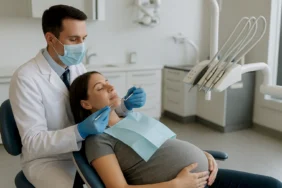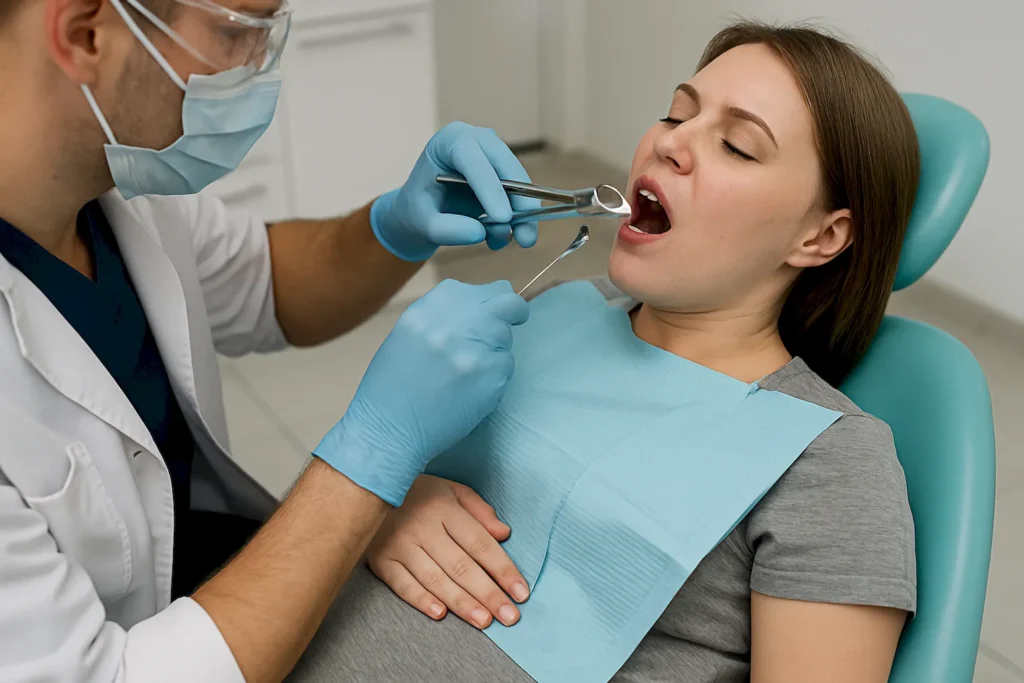
Can you get a tooth pulled during pregnancy? Many pregnant women find themselves facing dental issues that require attention, and the thought of undergoing a tooth extraction can be concerning. While dental care is crucial during pregnancy, it’s important to understand the safety measures, potential risks, and best practices for handling dental procedures while expecting.
Understanding Tooth Extraction During Pregnancy
When considering dental work during pregnancy, many expectant mothers often wonder, can you get a tooth pulled during pregnancy? The short answer is yes, but it’s crucial to evaluate the timing and the necessity of the procedure. Dental health is important for overall well-being, especially during pregnancy. In addition to extractions, procedures like a Root canal during pregnancy can also be safely performed when necessary, provided proper precautions are taken. If a tooth extraction is required, the second trimester is generally the safest time for such procedures. However, a thorough consultation with your dentist is essential to ensure both the mother’s and the baby’s safety throughout the process.
Reasons For Delaying Tooth Extraction During Pregnancy
- Risk of premature labor or complications.
- Increased sensitivity to pain and anesthesia.
- Potential for higher anxiety levels impacting the procedure.
- Limitations on medications that can be prescribed post-extraction.
- Hormonal changes causing changes in gum health.
- Swelling and discomfort may complicate recovery.
It is also important to assess the urgency of the extraction. Many dental issues can be managed with medication or regular monitoring during pregnancy. According to experts, non-urgent extractions are often best postponed until after childbirth to minimize any risk to the baby. Always weigh the benefits against the risks by discussing your specific situation with a qualified dentist, who will guide you through your options while considering both your oral health and your pregnancy.
Can You Get A Tooth Pulled During Pregnancy?
When faced with dental issues during pregnancy, many expectant mothers wonder, can you get a tooth pulled during pregnancy? The good news is that dental care, including tooth extraction, can be managed safely with the right precautions. It is vital to consult with your healthcare provider and dentist to understand the best approach tailored to your specific health needs and stage of pregnancy.
Despite the overall safety, it is prudent to be aware of certain risks involved in tooth extraction during this period. Pregnant women may experience hormonal changes that can affect their dental health, making extractions necessary to alleviate pain or infection. However, not every trimester is ideal for such procedures, so proper timing is essential to minimize risks and complications.
Considerations Before Tooth Extraction
- Consult your dentist for a thorough examination.
- Discuss your medical history and any pregnancy-related conditions.
- Evaluate the necessity of the extraction versus alternative treatments.
- Consider the trimester; the second trimester is generally preferred.
- Inquire about anesthesia options that are safe during pregnancy.
- Understand post-extraction care to ensure a smooth recovery.
- Ensure that your dentist is experienced in treating pregnant patients.
Risks Involved
When discussing the question can you get a tooth pulled during pregnancy? it is crucial to understand the potential risks associated with the procedure. The most prevalent risks include infection, excessive bleeding, and adverse reactions to anesthesia. Additionally, stress and anxiety related to dental procedures can also impact both the mother and the unborn child. Engaging in open communication with your healthcare providers helps to mitigate these concerns effectively.
Recommended Practices
If tooth extraction is deemed necessary, following recommended practices can significantly enhance safety and comfort. Scheduling the procedure during the second trimester, maintaining good oral hygiene, and adhering to post-operative care instructions all contribute to a favorable outcome. Additionally, being transparent about your pregnancy status and any symptoms you’ve been experiencing will enable your dental team to provide the best care possible.
Dental Procedure Safety Tips For Expecting Mothers
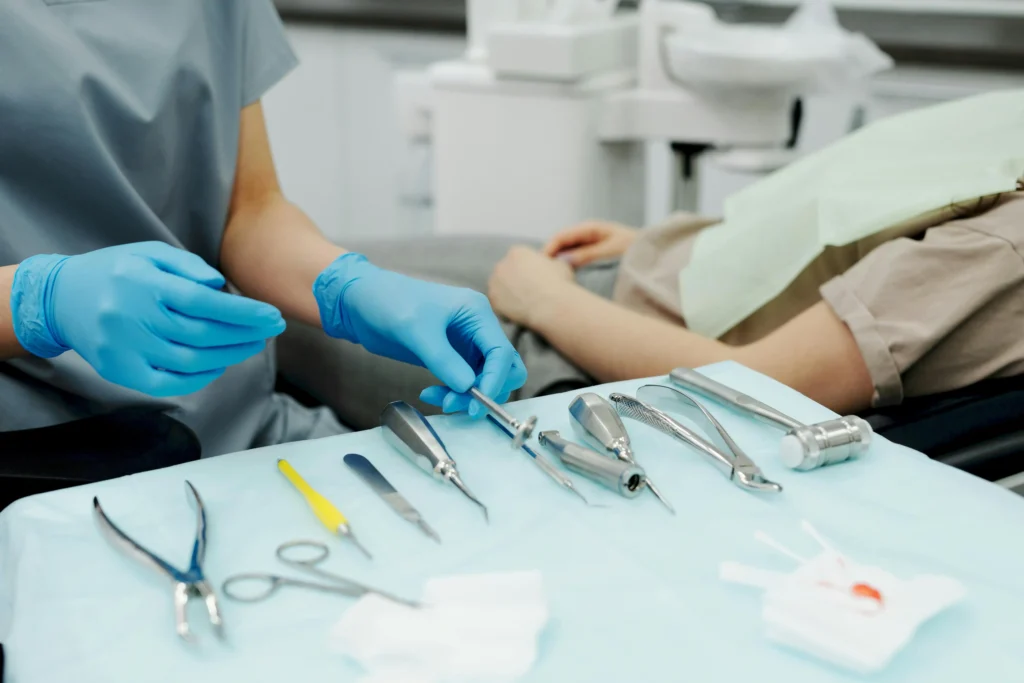
When it comes to dental health during pregnancy, safety is a top priority. Expecting mothers often wonder, can you get a tooth pulled during pregnancy? While dental procedures are generally safe, certain precautions should be taken to protect both the mother and the developing baby. Women should always consult with their healthcare provider and dentist to assess any specific risks associated with their individual circumstances.
Steps To Ensure Dental Safety
- Consult your obstetrician about the necessity of the dental procedure.
- Choose a dentist experienced in treating pregnant patients.
- Schedule dental appointments for the second trimester, when most women experience lower nausea levels.
- Be sure to inform your dentist about your pregnancy and any medications you are taking.
- Discuss potential sedation options if the procedure may be uncomfortable.
- Follow proper oral hygiene practices before and after the procedure.
- Attend all follow-up appointments to monitor healing and address any complications.
It’s also crucial for expecting mothers to maintain regular dental check-ups as these can help prevent any serious dental issues that might arise during pregnancy. Being proactive about oral health can minimize the likelihood of needing invasive procedures like tooth extraction. Additionally, many dental professionals use safer anesthetics and techniques that are suitable for pregnant patients.
Always prioritize communication with your healthcare team. Being well-informed is the key to making safe choices about your dental health during pregnancy.
In conclusion, understanding the safety protocols involved in dental procedures during pregnancy helps to alleviate concerns over questions like can you get a tooth pulled during pregnancy? By following the outlined steps and being aware of the proper timing and methods, expecting mothers can ensure that their dental health is well managed without compromising their safety or that of their baby.
The Best Time For Tooth Extraction During Pregnancy
Can You Get a Tooth Pulled During Pregnancy? When considering this question, timing is crucial. The best time for a tooth extraction typically aligns with specific trimesters during pregnancy. Many dental professionals recommend avoiding dental procedures during the first trimester whenever possible. This period is critical for fetal development, and exposure to dental anesthesia or stress can pose risks. Therefore, if a dental extraction is necessary, scheduling it during the second trimester is usually advised, as the risk factors are lower and the procedural complications are minimized.
In the third trimester, while it is still possible to have a tooth extracted, there can be increased discomfort for the mother. Physical changes and positioning challenges may make it less comfortable for the expectant mother to remain still during the procedure. Thus, the second trimester remains the optimal time for such dental interventions. Expecting mothers should work closely with their healthcare providers to determine the most suitable timing for dental procedures, including tooth extractions.
| Trimester | Recommended Actions | Considerations |
|---|---|---|
| First Trimester | Avoid non-urgent extractions | Critical fetal development stage |
| Second Trimester | Ideal for necessary extractions | Lower risks for mother and baby |
| Third Trimester | Proceed with caution if necessary | Physical discomfort and challenges |
Comparison Of Trimester Risks
- First Trimester: High regard for fetal safety; dental procedures are best avoided.
- Second Trimester: Most favorable time for tooth extraction.
- Third Trimester: Increased discomfort and possible complications during dental procedures.
- Prolonged Dental Issues: Avoiding dental care can lead to complications that escalate.
- Potential Use of Anesthesia: Discuss the safest options with your dentist.
- Bleeding Risks: Higher risk in late pregnancy requiring careful monitoring.
Consultation with your dentist is imperative to weigh the risks and benefits of tooth extraction during pregnancy. Additionally, it’s essential to discuss existing health conditions and medications that may impact the procedure. By taking these factors into account, expectant mothers can navigate their dental health more effectively while ensuring the safety of their child.
Consulting Your Dentist: What To Discuss?
When considering whether can you get a tooth pulled during pregnancy is a viable option, consulting your dentist is crucial. They can provide personalized advice based on your dental health and the specific circumstances of your pregnancy. It’s essential to communicate any concerns or symptoms you may be experiencing, as these can influence the treatment plan.
Key Discussion Points
- Current health status and any pregnancy complications.
- Type of tooth extraction required and its urgency.
- Potential risks associated with the procedure during pregnancy.
- Preferred anesthesia options and their safety.
- Healing time and aftercare considerations.
- Frequency of dental visits throughout your pregnancy.
Each of these points should be addressed during your consultation, allowing your dentist to understand your unique situation fully. Additionally, make sure to ask about any necessary precautions or adjustments to standard procedures due to pregnancy. “Open communication can help ensure your dental work is both safe and effective during this critical time.”
Aftercare For Tooth Extraction During Pregnancy
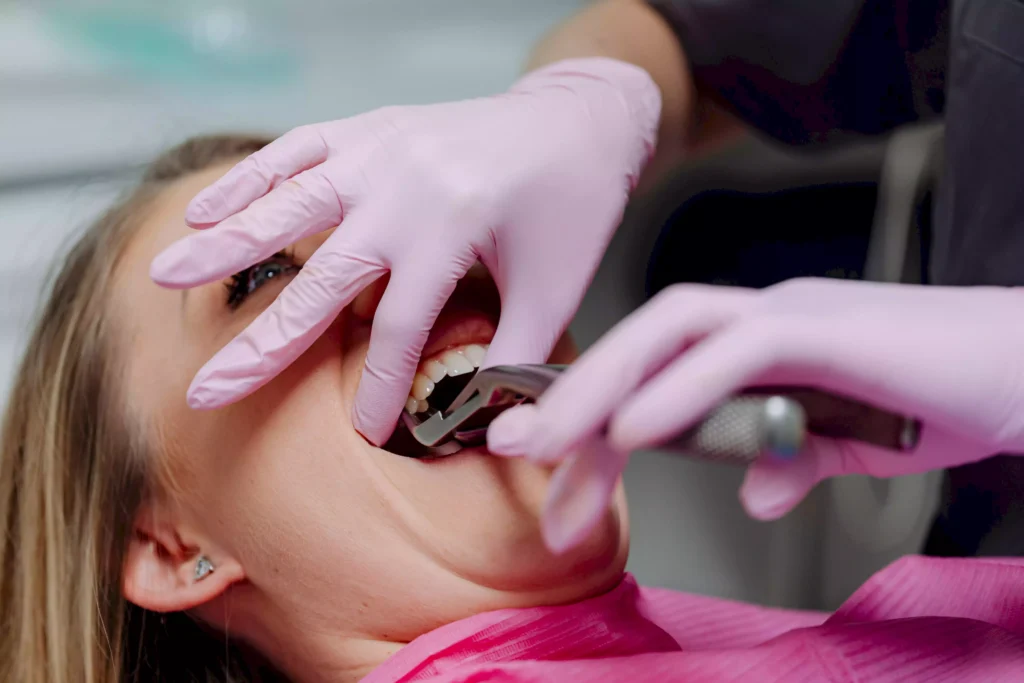
Undergoing a tooth extraction during pregnancy can be a daunting experience, but proper aftercare is crucial to ensure a smooth recovery. After the procedure, it’s common to experience some discomfort, so adhering to your dentist’s guidelines is essential. Remember, your health and your baby’s health are both paramount during this time.
Essential Aftercare Tips
- Follow your dentist’s pain management recommendations to alleviate discomfort.
- Utilize ice packs on the outside of your cheek to reduce swelling.
- Stick to a soft diet for the first few days, avoiding hot, spicy, or crunchy foods.
- Maintain good oral hygiene, but be gentle around the extraction site.
- Stay hydrated, as it helps with the healing process.
- Watch for signs of infection such as increased swelling, severe pain, or fever, and contact your dentist if they occur.
- Rest adequately to allow your body to recover.
While managing aftercare tasks, it’s also crucial to monitor how your body responds to the extraction. Pay attention to any unusual symptoms that could indicate complications. Staying in touch with your dentist during your recovery can help address any concerns promptly, ensuring not only your well-being but also that of your developing baby.