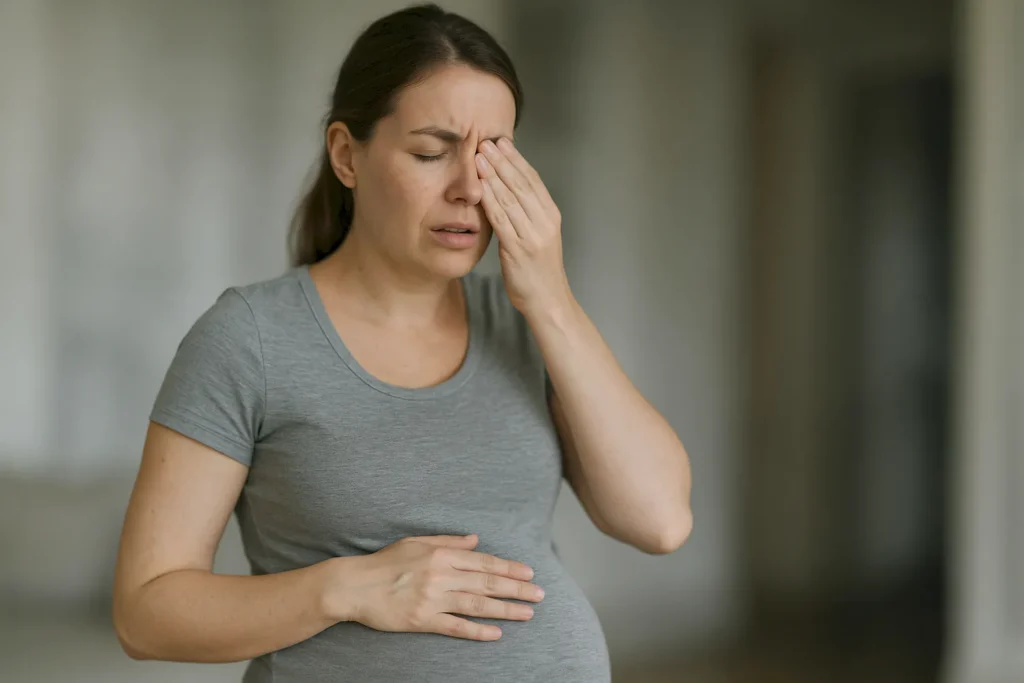
Blurred eyes during pregnancy can be an unsettling experience for many expectant mothers. Often triggered by hormonal fluctuations, fluid retention, or shifts in blood pressure, this visual disturbance is generally harmless. However, in some cases, it may signal an underlying condition that requires medical evaluation. Understanding the common causes—ranging from dry eyes and changes in the cornea to more serious concerns like gestational hypertension or preeclampsia—can help women respond appropriately and reduce unnecessary worry.
While the symptom is usually temporary and poses no threat to the baby, it’s essential to know when to seek medical advice. With proper awareness, expectant mothers can manage blurred vision through simple lifestyle adjustments and routine checkups. Most cases resolve after delivery, but in the meantime, strategies for relief can ease daily discomfort. As pregnancy progresses, some may continue to experience blurred eyesight pregnancy symptoms, which typically subside postpartum.
Why Do You Get Blurred Eyes During Pregnancy?
Blurred eyes during pregnancy can be a concerning symptom for many expectant mothers. As your body undergoes significant changes to support the growing fetus, various physiological factors can lead to issues with vision. It’s essential to understand that these changes are mostly temporary; however, they warrant consideration to ensure overall health during this critical period. The eyes can be particularly sensitive to the alterations and fluctuations that come with pregnancy, leading to what many refer to as blurred eyesight pregnancy.
As mentioned, experiencing blurred eyes during pregnancy may be quite common due to a variety of factors. While most women encounter only minor issues, understanding the causes can help reduce anxiety. Here are some common reasons for blurred vision:
- Fluid retention causing swelling in the cornea
- Changes in hormone levels affecting the eye’s surface
- Increased blood volume impacting circulation in the eyes
- Changes in vision prescription needs
- Migraines or headaches during pregnancy can also contribute to blurred vision, especially when combined with hormonal fluctuations or fatigue.
- Gestational diabetes affecting vision
- Stress and fatigue leading to eye strain
These points highlight that while blurred vision can occur, many of the underlying causes are manageable and often resolve post-pregnancy.
To dive deeper into the physiological and hormonal connections, it’s important to note that physiological and hormonal changes can lead to multiple eye-related symptoms during pregnancy. These changes can cause alterations in tear production and thickness of the cornea, which can result in temporary vision changes. Consult with your healthcare provider if persistent blurred vision arises, as they can help to provide guidance and reassurance throughout the process.
Physiological Changes
During pregnancy, the body undergoes numerous physiological changes that can cause blurred eyesight pregnancy. Increased blood volume can lead to changes in the curvature of the eye, resulting in blurred vision. Additionally, as the body retains more fluid, the cornea may swell, impacting not only vision but also overall eye comfort.
Hormonal Fluctuations
Hormonal fluctuations play a critical role in many pregnancy symptoms, including blurred eyes during pregnancy. The surge in hormones like progesterone and estrogen can affect the eyes’ moisture production and even their general health. Consequently, hormonal changes can lead to dryness, irritation, and vision distortions, which can all contribute to the experience of blurred vision.
Is Blurred Vision Normal During Pregnancy?
Experiencing blurred eyes during pregnancy is a concern for many expecting mothers. As the body undergoes significant hormonal and physical changes, various symptoms can arise, and blurred vision is one of them. While it may be surprising or alarming, it is essential to understand whether this condition is a normal part of pregnancy or if it requires further attention. In many cases, blurred vision can be attributed to these changes, but recognizing the signs that indicate a normal occurrence versus a potential issue is crucial for managing your overall health.
Throughout pregnancy, the body produces increased levels of hormones, including progesterone and estrogen, which can lead to changes in the visual system. These hormonal shifts can cause temporary alterations in vision. However, not all cases of blurred eyesight during pregnancy are due to hormonal fluctuations. It is vital to monitor any accompanying symptoms or changes as they could indicate an underlying concern that may need medical evaluation.
Indicators of Normal Blurred Vision
- Vision changes during specific times of the day
- Blurred vision after long periods of reading or screen time
- Temporary discomfort or dryness in the eyes
- Non-persistent episodes of blurriness
- Changes that improve with rest or hydration
- Normal fluctuations in vision throughout the day
It’s important to remember that while some degree of blurred vision can be normal, continuing to monitor your symptoms is essential. If the blurriness persists or worsens, it may warrant a discussion with your healthcare provider. Keeping an open line of communication about any vision changes will help ensure both your and your baby’s health throughout your pregnancy journey. Understanding what is typical and what is not can greatly alleviate concerns during this transformative period.
Understanding Normal Changes
These changes in your vision are not usually harmful, but they can be annoying. Common complaints include slight blurriness and visual disturbances such as halos around lights. These symptoms may often resolve post-pregnancy as hormone levels stabilize. Nevertheless, being proactive and informed about your eyes during pregnancy is the best approach. If you ever have doubts about your symptoms, don’t hesitate to seek advice from your healthcare provider to rule out any serious issues and to provide you peace of mind.
When Should You Be Concerned About Blurred Eyesight in Pregnancy?
Blurred eyes during pregnancy can often be attributed to hormonal changes, fluid retention, and other physiological adjustments that occur as your body prepares for childbirth. While some cases of blurred vision may be harmless, it is crucial to recognize when blurred eyes could signal a more serious underlying condition. Monitoring your visual health during this time is essential to ensure both your well-being and that of your baby.
Key Warning Signs to Watch For
- Sudden changes in vision quality or clarity
- Persistent blurriness that doesn’t resolve
- Loss of vision in one or both eyes
- Accompanied symptoms like headaches or dizziness
- Vision changes after a head injury
- Severe swelling around the eyes or face
- Light sensitivity or halos around lights
If you experience any of these symptoms, it is wise to consult with your healthcare provider. In some cases, blurred eyes during pregnancy can be associated with conditions such as gestational diabetes, preeclampsia, or even high blood pressure after pregnancy, all of which require immediate medical attention. Timely intervention can prevent complications, ensuring a healthier outcome for both mother and baby.
Remember, while instances of blurred vision can be common during pregnancy, prioritizing your eye health is paramount. Regular check-ups and open communication with your healthcare provider can help alleviate any concerns you may have regarding your eyesight and ensure you receive the necessary care.
What Are the Common Causes of Blurred Vision in Pregnancy?
Experiencing blurred vision or blurred eyesight during pregnancy can be concerning for many expectant mothers. Understanding the causes behind this phenomenon is crucial, as it can often be a normal part of the body’s changes during pregnancy. However, certain medical conditions and external factors may contribute to the occurrence of blurred vision, necessitating a closer examination.
As your body undergoes a plethora of hormonal and physical changes, several underlying factors may lead to blurred vision. It is essential to recognize whether these are temporary adjustments that resolve post-pregnancy or indications of a more serious medical condition. Addressing blurred vision in pregnancy is essential for ensuring both maternal and fetal health.
Common Causes of Blurred Vision
- Hormonal changes impacting vision clarity
- Increased fluid retention and swelling around the eyes
- Pre-existing eye conditions exacerbated by pregnancy
- Gestational diabetes affecting blood sugar levels
- Preeclampsia leading to potential vision complications
- High blood pressure causing temporary vision disturbances
- Fatigue and stress leading to eye strain
Common Causes of Blurred Vision in Pregnancy
| Cause | Possible Symptoms | Treatment Options |
|---|---|---|
| Hormonal Changes | Temporary blurred vision | Rest and hydration |
| Fluid Retention | Swelling around eyes | Cold compresses |
| Gestational Diabetes | Increased thirst, blurred vision | Diet management |
| Preeclampsia | Severe headaches, sudden vision changes | Medical evaluation |
It’s important to note that blurred eyesight during pregnancy could also stem from lifestyle factors. Stress and fatigue can significantly impact your eye health, leading to symptoms like blurred vision. By managing stress levels and ensuring adequate rest, pregnant women can help mitigate these symptoms and support their overall well-being.
External Factors
In addition to medical conditions, external factors such as environmental changes can contribute to the experience of blurred vision. For example, prolonged exposure to screens or inadequate lighting can cause eye strain, resulting in temporary vision disturbances. Being aware of these external factors is vital for addressing any discomfort and taking appropriate action to alleviate symptoms.
Always consult with a healthcare provider if you experience significant or persistent blurred vision during pregnancy. Your health and that of your baby are paramount.
How to Treat or Manage Blurred Eyes During Pregnancy
Managing blurred eyes during pregnancy can often be a challenge for expecting mothers. This condition might stem from hormonal changes, fluid retention, or even increased blood volume, all of which are common during this transformative phase. It’s crucial to remember that while blurred vision can be a normal symptom, it’s essential to monitor the condition, especially if it persists.
Steps to Manage Blurred Vision
- Stay Hydrated: Drinking sufficient water can help reduce fluid retention.
- Follow a Balanced Diet: Ensure you consume a diet rich in essential vitamins, particularly Vitamin A.
- Adjust Lighting: Use soft lighting when reading or working to minimize eye strain.
- Take Frequent Breaks: Engage in the 20-20-20 rule; look at something 20 feet away for 20 seconds every 20 minutes.
- Use Artificial Tears: Lubricating eye drops can provide comfort if dryness contributes to blurred eyesight.
- Avoid Eye Strain: Limit screen time, and ensure you are using an appropriate prescription if necessary.
- Consult a Healthcare Provider: If symptoms persist or worsen, seeking professional advice is essential.
In managing blurred eyesight during pregnancy, it’s important to be proactive and attentive to your symptoms. If the blurred vision is accompanied by headaches, swelling, or other unusual symptoms, it is crucial to seek medical advice promptly.
Consulting a Healthcare Provider
Consulting a healthcare provider is advisable whenever there are concerns regarding blurred eyes during pregnancy. A professional can help determine if the blurry vision is just a natural side effect of pregnancy or if it indicates a more serious condition, such as preeclampsia. They might conduct thorough assessments and recommend strategies tailored specifically for your situation.
Always prioritize your health and your baby’s wellbeing; don’t hesitate to reach out to a healthcare professional for guidance.
Can Pregnancy-Related Blurred Vision Affect the Baby?
Blurred eyesight during pregnancy is a common concern for many expectant mothers. While experiencing blurred vision can be unsettling, it is essential to understand the implications it may have not only on the mother but also on the developing baby. In most cases, blurred vision is a temporary condition caused by hormonal changes, fluid retention, and other physiological adjustments. However, it is important to be aware of potential risks that may arise as a result of this condition.
Potential Risks for the Baby
- Reduced oxygen supply due to circulation issues.
- Increased stress and anxiety levels in the mother affecting fetal health.
- Potential complications related to pre-existing conditions such as gestational hypertension.
- Delayed diagnosis of serious issues like preeclampsia that can harm both mother and baby.
- Lack of proper prenatal care associated with poor vision clarity and focus.
- In extreme cases, blurred vision could signal underlying health issues requiring immediate attention.
Understanding these potential risks is fundamental for managing health during pregnancy. If blurred vision persists or is accompanied by other symptoms, it’s crucial to consult a healthcare provider. They can evaluate whether the blurred vision is simply a benign condition related to pregnancy or if it may indicate a more serious issue requiring intervention.
As mentioned, most cases of blurred vision during pregnancy are harmless. However, maintaining regular check-ups and discussing any visual changes with your healthcare professional can help ensure both the mother’s and baby’s well-being. Always remember that early detection and management of pregnancy-related problems are key to a healthy pregnancy.
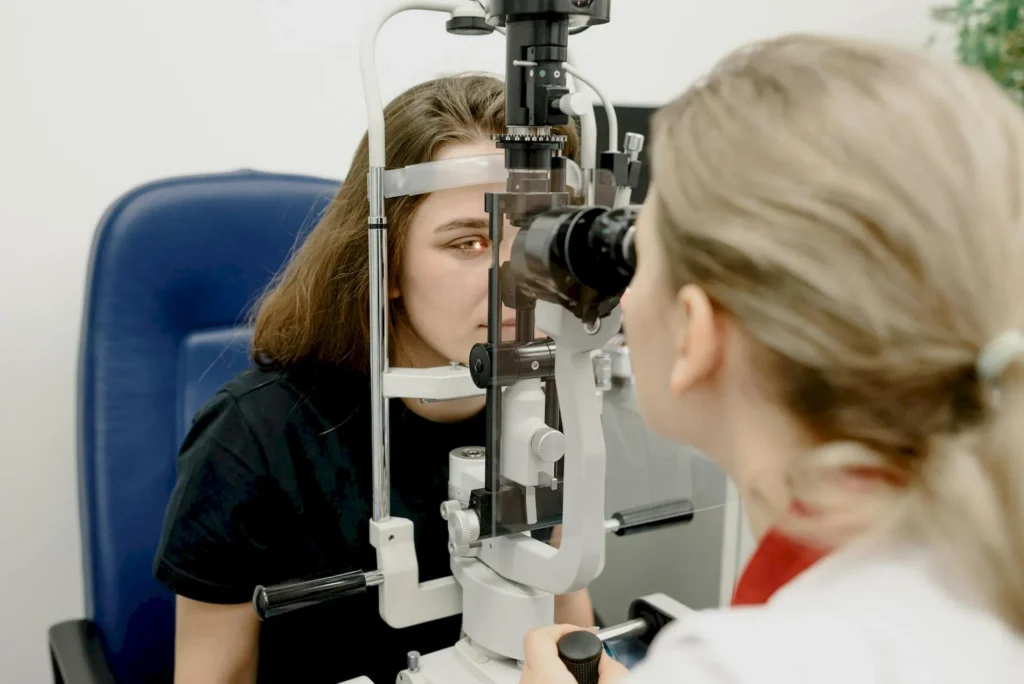
How Long Does Blurred Vision Last During Pregnancy?
Blurred eyes during pregnancy are a common concern among expectant mothers. Often, this condition can arise due to hormonal changes, fluid retention, and other physiological adjustments in the body. In most cases, blurred vision may last for a short period; however, the duration can vary significantly from one individual to another. Typically, these visual disturbances may arise in the second or third trimester and often resolve shortly after childbirth. For many women, the symptoms may diminish as their bodies readjust postpartum, although some may experience continuing effects, especially if they had previous vision issues.
| Timeframe | Typical Duration | Notes |
|---|---|---|
| First Trimester | Few days to weeks | Often related to hormonal shifts |
| Second Trimester | 1 to 3 months | Fluid changes can cause temporary blur |
| Third Trimester | Often resolves before delivery | May persist due to physical changes |
| Postpartum | Days to weeks | Recovery of vision can take time |
While many women find that blurred eyes during pregnancy is relatively short-lived, it is essential to monitor the duration and frequency of these episodes. In some cases, persistent or severe symptoms may indicate underlying health issues. Therefore, it is vital for pregnant women to consult their healthcare provider if they experience prolonged or unusual changes in their eyesight.
Duration of Blurred Vision
- Typically begins in the second trimester
- Commonly lasts for a few days, but can extend up to several weeks
- May resolve before delivery, but can persist in some cases
- Hormonal fluctuations are often the main cause
- Changes may vary significantly among individuals
- Consultation with a doctor is advisable if symptoms worsen
- Most women will see improvements within weeks postpartum
Important: If blurred vision persists beyond the usual duration or is accompanied by other concerning symptoms, seeking medical advice is crucial for the health of both mother and baby.
Tips to Reduce Blurred Eyes During Pregnancy
Experiencing blurred eyes during pregnancy can be unsettling, but there are effective strategies to manage this condition. Many women report changes in their vision due to hormonal fluctuations and fluid retention, which can lead to blurred eyesight during pregnancy. Understanding how to mitigate these changes can greatly improve comfort and clarity.
Effective Tips for Managing Blurred Vision
- Stay Hydrated: Drink plenty of water to help reduce fluid retention and minimize swelling around the eyes.
- Take Regular Breaks: If you spend time in front of screens, ensure you take breaks every 20 minutes to reduce eye strain.
- Adjust Your Lighting: Use proper lighting while reading or working to avoid causing unnecessary eye strain.
- Wear Corrective Lenses: If you typically wear glasses or contacts, ensure your prescription is updated, as hormonal changes can affect your vision.
- Prioritize Rest: Ensuring you get adequate sleep can significantly impact eye health and reduce fatigue-related blurriness.
- Consult Your Doctor: If blurred vision persists or worsens, it’s crucial to discuss your symptoms with a healthcare provider.
Maintaining a healthy lifestyle is essential for reducing the discomfort of blurred eyesight pregnancy. Incorporate a balanced diet filled with vitamins, particularly those beneficial for eye health, such as Vitamin A and Omega-3 fatty acids. Regular prenatal check-ups will also help monitor any changes in your vision, ensuring any necessary interventions are promptly addressed.
Listening to your body is key during pregnancy. If you notice significant changes in your vision, do not hesitate to seek professional advice.
In addition to these tips, practicing eye exercises can help improve focus and reduce blurriness. Simple techniques, like shifting your gaze between near and far objects, can be beneficial. Ultimately, understanding that some degree of vision change can be typical during pregnancy allows you to focus on effective management strategies and maintain a positive outlook during this special time.