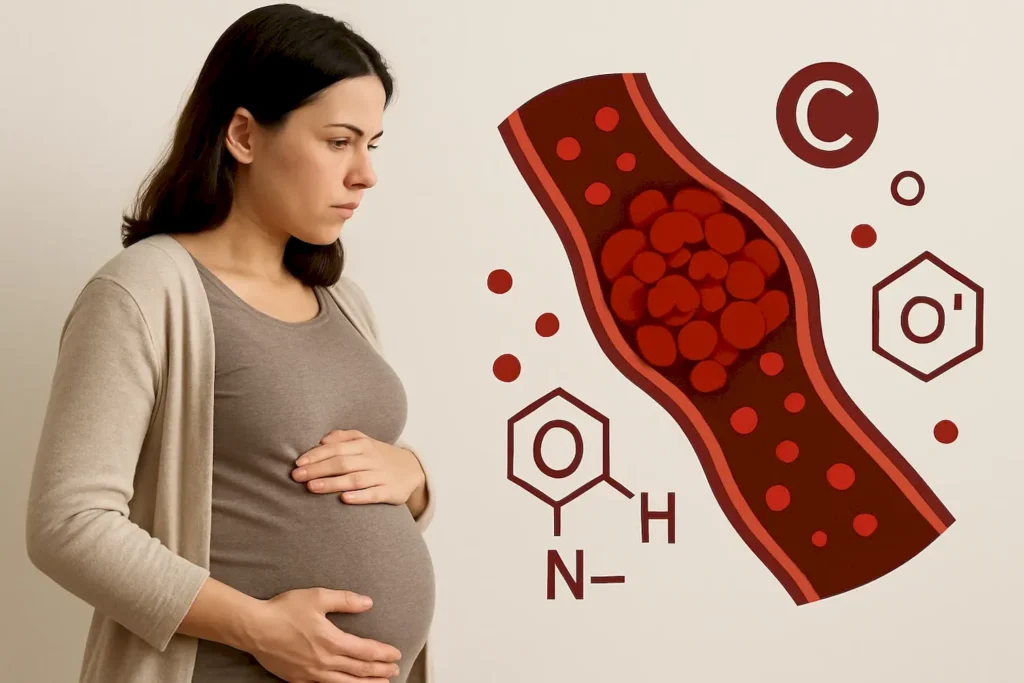
Blood clots during pregnancy can pose serious health risks for both the mother and baby. Understanding their causes, symptoms, and potential complications is essential for early detection and effective management. Common warning signs include swelling, redness, and pain—particularly in the legs. While small or temporary clots may occur, it’s important for expecting mothers to stay alert and consult their healthcare provider if they notice anything unusual.
Clots forming in the uterus can be especially concerning and require prompt medical attention. Preventive measures such as maintaining healthy circulation and following medical guidance play a key role in reducing risk. Being informed not only helps manage concerns during pregnancy but also prepares women for potential issues related to blood clots after pregnancy.
What Are Blood Clots During Pregnancy and Why Do They Occur?
Blood clots during pregnancy are a serious health concern that can affect both the mother and the developing fetus. These clots can form in various parts of the body but are most commonly found in the legs or pelvic area, leading to conditions such as deep vein thrombosis (DVT). The risk of developing blood clots increases during pregnancy due to hormonal changes, increased blood volume, and the growing uterus exerting pressure on blood vessels. Understanding the underlying causes and implications of blood clots during pregnancy is essential for expectant mothers to safeguard their health and that of their baby.
Key Factors Contributing to Blood Clots during Pregnancy
- Hormonal Changes: Increased levels of hormones like progesterone can lead to changes in blood coagulation.
- Physical Inactivity: Longer periods of immobility, especially during pregnancy, can impede blood flow.
- Weight Gain: The additional weight can put pressure on blood vessels, increasing the risk of clots.
- Previous History: A history of blood clots can raise the likelihood of recurrence during pregnancy.
- Genetic Factors: Certain inherited conditions may predispose women to blood clotting disorders.
- Cesarean Delivery: Post-surgical complications can lead to higher risks of blood clots after pregnancy.
Aside from the increasing risk factors, pregnant women should be aware of the signs that may indicate the presence of a blood clot. Symptoms such as swelling, pain, or tenderness in the legs can signal the need for immediate medical attention. Additionally, shortness of breath during pregnancy (shortness of breath pregnancy) and chest pain may indicate a more severe complication known as a pulmonary embolism, which can occur when a blood clot travels to the lungs. Prompt diagnosis and treatment are crucial in mitigating potential complications arising from blood clots during pregnancy.
Understanding the risk and being proactive in seeking medical help can greatly reduce complications associated with blood clots during pregnancy.
It’s also important to note that blood clots after pregnancy can occur as the body recovers from childbirth. These clots may develop due to changes in blood flow and the body’s natural healing processes. Women should discuss their individual risk factors with healthcare providers to create a plan that considers their health history and lifestyle. Awareness and prevention strategies, including regular movement and hydration, play a vital role in reducing the likelihood of blood clots during and after pregnancy.
Common Signs and Symptoms of Blood Clots in Pregnancy
Recognizing the signs and symptoms of blood clots during pregnancy is crucial for the health of both the mother and the baby. Blood clots can form in various parts of the body, and timely identification of such symptoms can lead to better outcomes. It’s essential for pregnant individuals to be aware of these indicators to ensure any potential complications are addressed swiftly.
Some people may experience physical changes that signal the presence of blood clots. These can manifest as discomfort or pain in regions where clots are likely to develop. Moreover, pregnant women should pay attention to any unusual feelings or behaviors in their bodies. Various symptoms may indicate the need for closer examination and possibly medical intervention.
Signs and Symptoms to Watch For
- Swelling in one leg or arm
- Pain or tenderness that feels like cramping
- Warmth to the touch in the affected area
- Red or discolored skin
- Shortness of breath or chest pain
- Rapid heartbeat
- Persistent headache or blurred vision
Each of these symptoms could indicate a potential blood clot during pregnancy, making it vital to seek medical advice if they occur. The risk factors and underlying conditions associated with blood clots can vary widely, so understanding the emotional symptoms linked to this condition is also essential.
Emotional Symptoms
Experiencing blood clots during pregnancy can evoke a range of emotional responses, including anxiety and fear. The stress of worrying about health complications can further affect a pregnant person’s well-being. It’s important to acknowledge these feelings and discuss them with healthcare providers, as they can provide support and guidance.
Moreover, staying informed about the risks of blood clots during pregnancy not only helps in managing physical health but also in addressing emotional concerns. Being proactive about monitoring your health and seeking help when needed can significantly alleviate anxiety and enhance your overall experience during this critical time.
Blood Clots in Early Pregnancy: What to Expect
During the early stages of pregnancy, many women may experience a range of physical changes, including the possibility of blood clots during pregnancy. Understanding what to expect can help you reassure yourself and keep track of your health. Blood clots can occur due to hormonal changes, increased blood volume, and blood vessel adjustments as your body adapts to the growing fetus. Early identification and monitoring of symptoms are crucial for both you and your baby’s well-being.
Generally, the first trimester, particularly the weeks 1-12, is a critical period where blood clots may be more likely to appear. It is vital to be aware of potential signs like unusual swelling, pain, or discoloration in your legs and any abnormal bleeding. These symptoms should not be overlooked, as they may signify an underlying issue that needs medical attention. Start by understanding how to monitor these changes effectively.
| Symptoms | Meaning | Action Required |
|---|---|---|
| Swelling and pain in one leg | Possible deep vein thrombosis (DVT) | Seek immediate medical help |
| Unexplained bleeding | Possible miscarriage or other issues | Contact your healthcare provider |
| Severe headache or vision changes | Possible signs of preeclampsia | Get evaluated by a healthcare professional |
| Chest pain and difficulty breathing | Signs of a blood clot in the lungs | Seek urgent medical attention |
To properly manage your health in early pregnancy, it’s beneficial to follow certain steps to monitor early symptoms. This will help you differentiate between normal pregnancy changes and those that require medical attention.
Steps to Monitor Early Symptoms
- Keep a daily log of any swelling or pain in your extremities.
- Monitor bleeding—note any changes in color, volume, or frequency.
- Be aware of severe headaches or vision disturbances.
- Pay attention to your heart rate and breathing patterns.
- Consult with your healthcare provider regularly for check-ups.
- Stay hydrated and maintain a healthy diet to optimize circulation.
- Educate yourself about the signs of complications to know when to act.
Potential Risks and Complications
While blood clots during pregnancy are a common concern, it is critical to acknowledge the potential risks and complications associated with them. In some cases, clots may lead to serious outcomes such as deep vein thrombosis (DVT) or pulmonary embolism if not addressed promptly. Early diagnosis often involves various diagnostic tools, including ultrasounds and blood work. A blood pregnancy test can be part of this process, helping monitor coagulation factors and identify clotting risks early. Additionally, there may be implications for the baby, depending on the location and severity of the clot. Promptly reporting any concerning symptoms to your healthcare provider can greatly alter outcomes, emphasizing the importance of vigilance during this vulnerable time.
Are Small or Passing Blood Clots Normal During Pregnancy?
During pregnancy, many women may experience various physical changes, and some might wonder whether blood clots during pregnancy are a normal occurrence. It’s important to understand that, while some small blood clots may not be unusual, particularly in the early stages, they can also signify underlying issues that need to be addressed. It’s essential to monitor any instances closely, as the nature and frequency of blood clots can vary significantly among individuals.
Key Points on Blood Clot Normalcy
- Small clots may occur due to hormonal changes.
- Passing clots during early pregnancy can be common.
- Frequent or larger clots may indicate complications.
- Always discuss any clotting with your healthcare provider.
- Monitor symptoms such as pain or swelling.
- Keep track of clot occurrence for medical evaluations.
If you experience small or passing blood clots, it’s crucial not to dismiss them. While some instances may be harmless, others could pose risks, potentially leading to conditions like gestational thrombosis. Remember to keep communication open with your healthcare provider about any concerns regarding blood clots during pregnancy, especially if accompanied by additional symptoms like severe cramping or bleeding. Doing so can help ensure both your well-being and that of your baby.
Blood Clots After Pregnancy: What You Should Know
After childbirth, one of the critical health concerns new mothers face is the risk of blood clots after pregnancy. Hormonal changes, reduced mobility during the postpartum period, and the physiological changes that occur after delivery can all contribute to the formation of blood clots. It is crucial to be aware of the potential signs and symptoms, as untreated blood clots can lead to serious complications, including pulmonary embolism.
To minimize risks and protect both yourself and your baby, it’s essential to follow certain guidelines. Many women may experience leg swelling and pain, which can be indicative of blood clots, but understanding the right steps to take can significantly aid in prevention and recovery. Being informed and proactive is essential for ensuring a healthy recovery process.
Steps to Take After Delivery
- 1. Monitor your body for unusual swelling or pain in the legs.
- 2. Stay active; perform gentle mobility exercises as soon as it’s safe.
- 3. Maintain hydration to support healthy blood flow.
- 4. Follow your healthcare provider’s advice on blood thinners or medications.
- 5. Wear compression socks as recommended by your doctor.
- 6. Schedule follow-up appointments to monitor your recovery.
- 7. Seek medical advice immediately if you notice severe symptoms.
By implementing these steps, you can effectively lower your risk of developing blood clots after pregnancy. Remember, staying informed and attentive to your body is the first line of defense against potential complications. If you have any doubts or experience alarming symptoms, don’t hesitate to contact your healthcare professional for guidance.
Blood Clots in the Uterus During Pregnancy: Causes and Risks
Blood clots during pregnancy can be concerning, especially when they occur within the uterus. While some women may experience minor clotting, significant clots can be a cause for alarm and warrant medical attention. Understanding the causes and risks associated with blood clots in the uterus is crucial for the health and safety of both the mother and the baby. Various factors can contribute to the formation of these clots, including hormonal changes, blood vessel abnormalities, and certain medical conditions.
An essential aspect to consider is the potential implications of uterine blood clots on pregnancy outcomes. Clots can impede the normal flow of blood to the placenta, affecting nutrient delivery to the developing fetus. This can lead to complications such as low birth weight, preterm labor, or even miscarriage. Therefore, identifying the causes of blood clots during pregnancy is crucial for effective management and prevention strategies.
Causes and Associated Risks
- Hormonal Changes: Increased estrogen levels during pregnancy can elevate the risk of clot formation.
- Underlying Medical Conditions: Conditions such as thrombophilia can predispose women to blood clots.
- Pelvic Inflammatory Disease: This condition can result in scarring and increase the likelihood of clotting.
- Age: Women over 35 are at a higher risk of developing blood clots during pregnancy.
- Obesity: Excess weight can strain the circulatory system, increasing clot risks.
- Prolonged Bed Rest: Extended inactivity can lead to poor blood circulation and clot development.
- Dehydration: Insufficient fluid intake can thicken the blood, making clotting more likely.
Additionally, it is important to recognize the role that certain medical conditions can play in the increased risk of blood clots during pregnancy. Factors such as genetic predispositions and previous clotting episodes can also enhance vulnerability to clot formation.
This highlights the need for personalized prenatal care, which can address specific risks and improve outcomes for mothers and their babies.
Factors Contributing to Blood Clots in the Uterus
| Factor | Description | Risk Level |
|---|---|---|
| Hormonal Changes | Increased estrogen affects blood clotting. | Moderate |
| Medical Conditions | Conditions like thrombophilia increase risk. | High |
| Age | Women over 35 face greater risks. | High |
| Obesity | Excess weight impacts blood circulation. | Moderate |
By recognizing these connections between medical conditions, lifestyle choices, and blood clots during pregnancy, expectant mothers can take proactive steps to mitigate risks. Consulting healthcare providers for appropriate monitoring and interventions is vital for ensuring a healthy pregnancy. Regular screening and early identification of potential issues can significantly improve health outcomes for both the mother and her child.
How to Treat Blood Clots During Pregnancy Safely
Treating blood clots during pregnancy is a critical concern for expecting mothers and their healthcare providers. Blood clots can pose significant risks not only to the mother but also to the developing baby, making safe treatment options vital. It is essential to consult with a healthcare professional to determine the most appropriate course of action tailored to each individual’s needs. Following their guidance can help mitigate risks while ensuring both mother and baby remain healthy.
Recommended Treatment Steps
- Consult your healthcare provider immediately for personalized assessments.
- Stay hydrated to minimize the risk of clot formation.
- Engage in regular, light exercises to improve circulation, as recommended by your doctor.
- Wear compression stockings to enhance blood flow in the legs.
- Consider anticoagulant medications as advised by your healthcare provider.
- Monitor and report any unusual symptoms, such as swelling or pain, to your doctor.
- Follow a balanced diet to support overall vascular health.
Understanding the importance of safety is crucial when dealing with blood clots during pregnancy. Women at risk may require closer surveillance and intervention throughout their pregnancy. It is worth noting that certain lifestyle changes can significantly reduce the likelihood of developing blood clots. Maintaining an active yet cautious lifestyle tailored to accommodate pregnancy can promote better health outcomes.
Addressing blood clots during pregnancy requires a careful balance of medical interventions and personal health management. Your healthcare team is there to support you every step of the way.
In conclusion, acknowledging and understanding the treatment of blood clots during pregnancy is essential. With proactive measures and professional guidance, many women can navigate this complex issue while safeguarding their health and that of their unborn children. Prioritizing safety and open communication with healthcare providers can lead to positive pregnancy experiences even in the face of potential challenges.
Blood Clots in Legs During Pregnancy: Symptoms and Prevention
Blood clots in the legs, also known as deep vein thrombosis (DVT), are a serious concern during pregnancy due to the increased risk associated with hormonal changes and an expanding uterus. Recognizing the symptoms is essential for early detection and prevention. Symptoms often include swelling, pain, warmth, or redness in the affected leg. Women may experience discomfort or heaviness in their legs, particularly if they have been sitting or standing for extended periods. It is crucial to pay attention to these warning signs, as untreated blood clots can lead to severe complications, including pulmonary embolism.
Preventive Measures to Consider
- Stay Active: Regular movement can help improve blood circulation.
- Wear Compression Stockings: These can reduce the risk of blood clots by improving venous return.
- Stay Hydrated: Adequate fluid intake is essential for preventing blood thickening.
- Avoid Prolonged Sitting or Standing: Take frequent breaks to move around, especially during long trips.
- Consult Your Healthcare Provider: Discuss any potential risk factors or necessary interventions.
- Consider Regular Monitoring: Particularly if you have had blood clots after pregnancy in the past.
Actively engaging in preventive measures not only enhances health but also fosters peace of mind for expectant mothers. Remember, although the risk of blood clots after pregnancy can be significant, understanding these risks and taking appropriate actions can help mitigate them effectively. Always consult with your healthcare provider for personalized advice tailored to your specific circumstances.
When to Seek Medical Help for Blood Clots During Pregnancy
Recognizing when to seek medical help for blood clots during pregnancy is crucial for the health of both the mother and the baby. Pregnant individuals are predisposed to blood clots due to hormonal changes and increased blood volume, making awareness of the risks imperative. If any signs or symptoms of blood clots are present, acting swiftly can prevent serious complications.
Signs Indicating Urgent Medical Attention
- Sudden chest pain: May indicate a possible pulmonary embolism.
- Severe shortness of breath: Especially if it occurs suddenly.
- Unilateral swelling: Particularly in one leg along with pain.
- Persistent headache: Accompanied by vision changes or weakness.
- Calf pain: That feels different from normal muscle aches.
- Skin discoloration: Notably turning red or warm to the touch.
- Difficulty speaking: Could indicate a stroke related to a clot.
If these signs are observed, it is essential to consult with a healthcare professional immediately. Stressing the importance of immediate medical intervention cannot be understated, as delays can lead to severe health risks, including maternal and fetal complications.
Additionally, understanding the symptoms of blood clots during pregnancy is vital for proactive health management. Regular prenatal check-ups should focus on identifying any risk factors that may elevate a pregnant person’s chances of experiencing blood clots. Always communicate any concerns to your healthcare provider to ensure comprehensive care throughout your pregnancy.
Understanding Different Types of Blood Clots and Their Dangers During Pregnancy
During pregnancy, understanding the types of blood clots is essential for ensuring both maternal and fetal health. Blood clots can form in various ways and have different implications depending on their location and type. The two main categories of blood clots that pregnant women may encounter are venous and arterial clots. Both types present unique risks and can affect the pregnancy, childbirth, and postpartum period. Recognizing these differences can empower expectant mothers to seek timely medical assistance and reduce the likelihood of complications.
| Type of Clot | Location | Associated Risks |
|---|---|---|
| Venous Thromboembolism (VTE) | Deep veins in the legs or pelvis | Pulmonary embolism, swelling, pain |
| Arterial Thrombosis | Arteries including those supplying the uterus | Stroke, reduced blood flow to the fetus |
| Superficial Venous Thrombosis | Surface veins | Localized pain, tenderness |
| Placental Abruption | Placenta | Bleeding, premature birth |
Identifying the varying dangers associated with each blood clot type is crucial. Venous clots, for instance, are more prevalent during pregnancy due to hormonal changes that increase blood coagulability. These clots can lead to severe complications, including pulmonary embolism if they travel to the lungs. In contrast, arterial clots can hinder the oxygen supply to the fetus, posing serious risks for developmental issues and increasing the chance of miscarriage. Understanding these differences emphasizes the importance of awareness and vigilance during pregnancy.
Venous Vs. Arterial Clots
Venous clots form when blood pools within the veins, often resulting from increased pressure in the lower limbs due to the growing uterus. Common symptoms include swelling, warmth, and pain in the affected area. Arterial clots, on the other hand, block blood flow in the arteries and can occur due to atherosclerosis or other cardiovascular factors. They are typically associated with more acute symptoms and a higher risk of serious complications. The management of blood clots during pregnancy often requires a multidisciplinary approach, involving obstetricians, hematologists, and other specialists.
Comparative Analysis of Clot Types
- Venous clots commonly arise from prolonged immobility.
- Arterial clots can develop from underlying cardiovascular conditions.
- Venous clots typically cause localized symptoms, like swelling and tenderness.
- Arterial clots may lead to sudden, severe complications such as a stroke.
- Pregnancy increases the risk of venous clots significantly.
- Arterial clots can have more immediate and severe health implications.
- Both types require prompt medical attention for effective management.
Long-term Risks Associated with Each Type
The long-term risks associated with blood clots during pregnancy are significant and can influence a woman’s health well beyond childbirth. Women who experience blood clots after pregnancy may face chronic health issues such as post-thrombotic syndrome, which involves lasting pain and swelling in the affected limb. Additionally, arterial clot complications can result in a higher likelihood of cardiovascular diseases later in life. It is imperative for postpartum care to include assessments for the presence of clots and strategies for long-term health monitoring to ensure both mother and child’s well-being.