

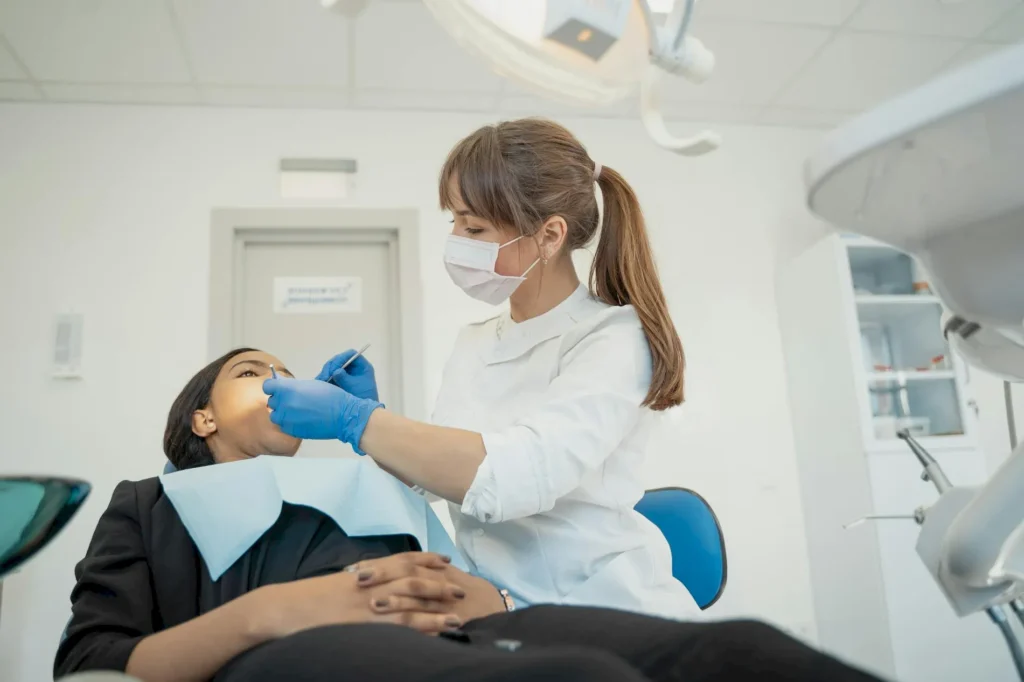
Bleeding gums during pregnancy is a common concern that can stem from hormonal changes, plaque buildup, or increased blood flow. While it can be an expected symptom, many wonder if it is indicative of pregnancy-related issues. To treat this condition, maintaining proper oral hygiene, including regular brushing and flossing, is essential. Early pregnancy can particularly heighten sensitivity in the gums, leading to increased bleeding. Preventative measures, such as dental check-ups and a balanced diet, can help manage and reduce these symptoms.
Despite various myths surrounding bleeding gums pregnancy, understanding the truth is crucial. It’s also important to know when to see a doctor if bleeding persists or worsens, ensuring both maternal and fetal health. This comprehensive overview offers guidance for expectant mothers on the causes, treatments, and preventive strategies related to this condition.
Causes of Bleeding Gums During Pregnancy
During pregnancy, many women experience various changes in their bodies, and oral health is often affected. Bleeding gums during pregnancy is a common issue, particularly due to the hormonal shifts that occur. Increased hormone levels can cause the gums to become more sensitive and inflamed, leading to a higher likelihood of bleeding. Women may notice this bleeding when brushing or flossing, which can be concerning but is generally considered a manageable condition.
Common Causes of Bleeding Gums
- Pregnancy hormones, such as progesterone, increase gum sensitivity.
- Changes in oral hygiene practices, possibly due to morning sickness.
- Increased blood volume can lead to swollen gums.
- Underlying dental issues, like gingivitis, may be exacerbated during pregnancy.
- Food cravings leading to a diet higher in sugar can contribute to gum problems.
- Stress and fatigue, common during pregnancy, may impact oral health, as can frequent headaches during pregnancy.
It’s essential for expecting mothers to maintain good oral hygiene to prevent complications associated with bleeding gums during pregnancy. Regular dental check-ups can help monitor oral health and address any potential issues early on. Moreover, understanding the causes helps in taking proactive measures to minimize discomfort and promote healthy gums, especially when dealing with additional common discomforts like headaches during pregnancy.
If you experience significant or persistent bleeding gums pregnancy symptoms, it is advised to consult with a healthcare professional. They can provide tailored advice and treatment options to ensure both your oral health and your baby’s well-being are optimized during this critical time. Remember, managing oral health is a vital part of a healthy pregnancy journey.
Is Bleeding Gums a Sign of Pregnancy?
Bleeding gums during pregnancy is a common concern for many women. It is essential to understand that during this time, hormonal changes can significantly impact oral health. Increased levels of hormones like progesterone can lead to inflammation and sensitivity in the gums, making them more prone to bleeding. This symptom is often associated with a condition known as pregnancy gingivitis, which affects many pregnant women.
While experiencing bleeding gums pregnancy can be alarming, it’s crucial to note that it is typically not a sign of a severe problem. However, it does highlight the importance of maintaining good oral hygiene during pregnancy. Doctors emphasize that routine dental care and effective at-home oral hygiene practices are vital in managing this issue. Ignoring the symptoms could lead to further complications, so being proactive is key.
Signs of Bleeding Gums
- Red or swollen gums
- Gums that bleed when brushing or flossing
- Puffy or soft gum tissue
- Bad breath that lingers
- Receding gums
- Loosening teeth
- Changes in the fit of dentures or partial plates
Recognizing these signs early can help manage the condition effectively. It’s important for pregnant women to *consult a healthcare professional* if they notice any of the above symptoms. Adopting a regular dental care routine and discussing any concerns with a dentist can greatly help in preventing and treating bleeding gums during pregnancy.
Typical Signs During Pregnancy
In addition to the signs listed above, many women may also experience increased sensitivity in their oral cavity. This sensitivity can cause discomfort when eating or drinking, especially with hot or cold foods. Maintaining hydration and utilizing gentle dental care products can alleviate some of this sensitivity. It’s also worth noting that hormonal fluctuations can lead to changes in taste and appetite, both of which can indirectly contribute to oral health issues.
How to Treat Bleeding Gums During Pregnancy
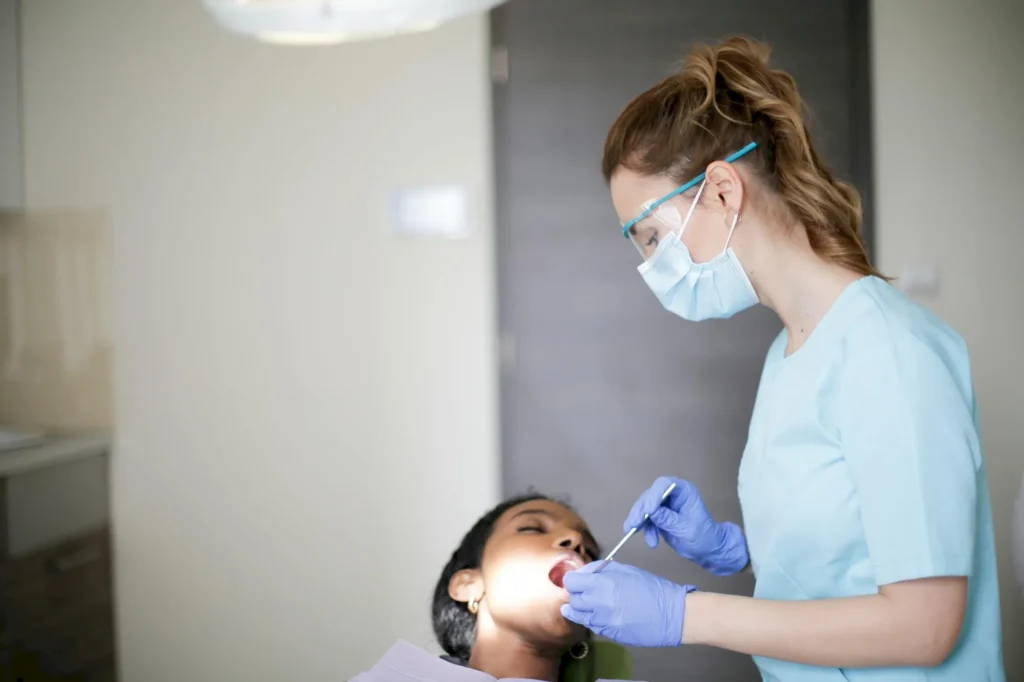
Experiencing bleeding gums during pregnancy can be unsettling for many expectant mothers. This condition can arise due to hormonal changes that increase blood flow to the gums and make them more sensitive. However, knowing how to properly care for your oral health during this time is essential to mitigate discomfort and prevent further complications. Regular dental hygiene practices can help you manage this condition effectively.
| Treatment Method | Description | Frequency |
|---|---|---|
| Brushing | Use a soft-bristled toothbrush to gently clean teeth. | Twice a day |
| Flossing | Clean between teeth to remove plaque buildup. | Daily |
| Mouthwash | Use an alcohol-free mouthwash to reduce bacteria. | As needed |
| Diet | Consume a balanced diet rich in vitamins and minerals. | Continuous |
Maintaining good oral hygiene is essential in managing bleeding gums pregnancy. This includes not only consistent brushing and flossing but also regular visits to your dentist. At your dental appointments, inform your dentist about your pregnancy so they can provide appropriate care. It is important to use a soft-bristled toothbrush and to floss gently to avoid aggravating sensitive gums.
Steps to Treat Bleeding Gums
- Use a soft-bristled toothbrush to avoid irritating your gums.
- Floss daily, taking extra care to be gentle.
- Use an antiseptic mouthwash to help reduce plaque and bacteria.
- Stay hydrated and eat a balanced diet to promote overall gum health.
- Discuss any persistent issues with your dentist during your routine check-up.
Implementing these steps can help alleviate the discomfort associated with bleeding gums during pregnancy. It’s also important to keep in mind that while bleeding gums can be a common occurrence during pregnancy due to hormonal changes, they should not be ignored. Pay attention to any other symptoms and consult your healthcare provider if issues persist.
Why Do Gums Bleed in Early Pregnancy?
During early pregnancy, many women experience changes in their bodies that can lead to various symptoms, one of which is bleeding gums during pregnancy. This phenomenon often occurs due to hormonal fluctuations that affect the gums’ sensitivity and health. As the body undergoes significant physiological changes, oral health may be unintentionally compromised, leading to discomfort and potential health concerns.
Increased levels of hormones, such as progesterone, can enhance the blood flow to the gum tissues, making them more susceptible to inflammation and bleeding. Additionally, many pregnant women experience a change in their oral hygiene routines, which can exacerbate the issue of bleeding gums pregnancy. It’s crucial for expectant mothers to be aware of these changes and prioritize their dental care to maintain their gum health during this critical time.
Factors Leading to Bleeding Gums
- Hormonal changes affecting gum sensitivity
- Increased blood flow to the gums
- Poor oral hygiene practices
- Pre-existing gum disease or infections
- Dietary changes or cravings
- Stress and fatigue levels
- Regular dental visits being neglected
Understanding these contributing factors is key to addressing and managing bleeding gums during pregnancy. Women need to recognize the symptoms and their implications without panic, as many of these changes can be temporary and manageable. Maintaining good oral hygiene and consulting with healthcare professionals can lead to effective prevention and treatment strategies, ensuring a healthier pregnancy experience.
Physiological Changes
The physiological changes that occur during pregnancy not only affect the reproductive system but also significantly influence oral health. As the body accommodates the growing fetus, the mouth can reflect these changes through reactions in the gum tissues. This is why many women notice symptoms like bleeding gums as early as the first trimester. Furthermore, these systemic changes can sometimes contribute to other common discomforts, such as sore throat during pregnancy.
It’s essential for pregnant women to educate themselves on these physiological transformations and adopt a proactive approach to manage their oral health effectively. By paying closer attention to their gums and maintaining regular dental check-ups, expectant mothers can alleviate the risks associated with bleeding gums, ensuring both their health and that of their unborn child remains optimal.
Preventing Bleeding Gums While Pregnant
Preventing bleeding gums during pregnancy is essential for maintaining both maternal and fetal health. During this time, hormonal changes can increase blood flow to the gums, making them more susceptible to inflammation and bleeding. To mitigate these risks, proper oral hygiene and care should be prioritized. Regular brushing, flossing, and routine dental check-ups can significantly reduce the likelihood of experiencing bleeding gums pregnancy.
Precautionary Measures
- Maintain a consistent dental hygiene routine, including brushing twice daily and flossing regularly.
- Use a soft-bristled toothbrush to avoid irritation to the gums.
- Incorporate an antibacterial mouthwash to help control oral bacteria.
- Stay hydrated to promote saliva production, which aids in oral health.
- Consume a balanced diet rich in vitamins C and D, which are crucial for gum health.
- Limit sugary snacks and beverages that can contribute to gum disease.
- Schedule regular dental check-ups for professional cleaning and guidance.
Additionally, it’s important to be aware of how your body changes during this time, as some women may experience increased sensitivity in their gums. Understanding these changes can help you take the necessary steps to prevent complications. Always consult with your healthcare provider if you’re unsure about the best practices for maintaining gum health during pregnancy. They can provide tailored advice based on your specific health needs.
In summary, preventing bleeding gums during pregnancy is achievable with diligent care and preventive measures. By focusing on good oral hygiene habits and being proactive about your dental health, you can significantly reduce the chances of experiencing issues with bleeding gums pregnancy. Educating yourself on the implications of gum health during this stage can empower you to make informed decisions for your overall well-being.
Common Myths About Bleeding Gums and Pregnancy
When it comes to bleeding gums during pregnancy, there are various misconceptions that can lead to unnecessary anxiety among expecting mothers. Many believe that any form of oral bleeding is a natural and harmless part of pregnancy. However, understanding what is true and what is not can empower women to take better care of their oral health during this critical time.
Myths vs. Facts
- Myth: Bleeding gums are normal in pregnancy.
- Fact: While hormonal changes can cause swollen gums, consistent bleeding requires dental attention.
- Myth: Brushing your teeth causes more bleeding.
- Fact: Gentle brushing helps maintain gum health and reduces bleeding.
- Myth: Pregnancy makes your teeth decay more rapidly.
- Fact: Poor oral hygiene is the primary cause of tooth decay, regardless of pregnancy.
- Myth: Dental treatments are unsafe during pregnancy.
- Fact: Most dental treatments are safe and can prevent complications, even asking Tooth Pulled During Pregnancy? is a valid concern.
Another common myth surrounding bleeding gums during pregnancy is the idea that all dental care should be postponed until after childbirth. In reality, maintaining your dental health is crucial during pregnancy. Women should continue their routine dental check-ups and ensure they address any issues promptly to avoid complications, both for themselves and their baby.
Lastly, it’s important to note that some women might fear that bleeding gums during pregnancy indicates something more serious, such as a serious health condition. In general, while hormonal changes can lead to inflammation, consistent or severe bleeding could signal periodontal disease, which should not be ignored. Seeking advice from a dental professional can help clarify any concerns and provide guidance tailored to individual needs regarding all dental procedures, including if a tooth pulled during pregnancy is necessary.
When to See a Doctor for Bleeding Gums During Pregnancy
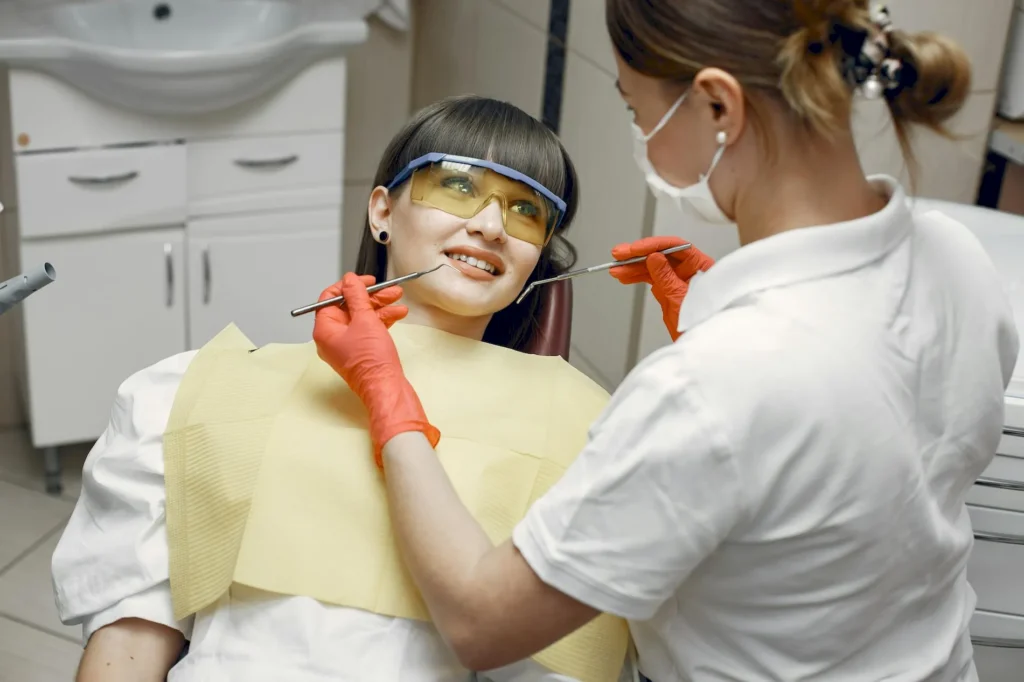
Experiencing bleeding gums during pregnancy can be distressing, and it’s essential for expectant mothers to be vigilant about their oral health. Hormonal changes during pregnancy can lead to increased sensitivity and inflammation of the gums, making them more prone to bleeding. However, while some degree of gum bleeding may be common, certain signs indicate that it’s time to consult a healthcare professional.
Signs to Consult a Doctor
- Bleeding that occurs frequently or lasts more than a few days
- Gums that appear swollen, red, or inflamed
- Pain or discomfort in the gums
- Presence of pus around the gums or teeth
- Changes in the fit of dentures or alignment of teeth
- Unexplained bad breath despite regular oral hygiene
- Other symptoms such as fever or swollen lymph nodes
It’s essential to recognize that while bleeding gums during pregnancy might seem like an ordinary occurrence, these signs can be indicative of underlying issues such as pregnancy gingivitis or even more severe periodontal diseases. Ignoring these symptoms not only jeopardizes your oral health but can also impact your overall wellbeing and that of your baby. Early intervention can lead to more effective treatments and prevent further complications.
Consulting a dentist is vital if you experience any of the symptoms outlined above. They can provide personalized advice and treatment options tailored specifically for pregnant women. Remember, maintaining good oral health is crucial during pregnancy, so don’t hesitate to reach out for help if you’re experiencing troubling symptoms related to bleeding gums pregnancy.


