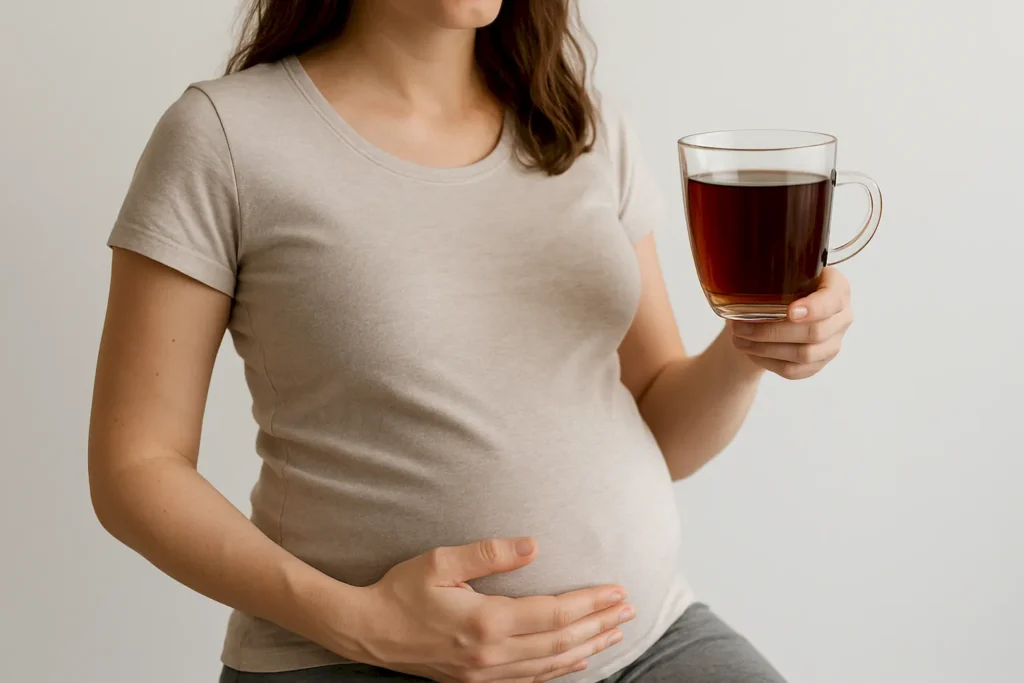
Black tea during pregnancy is a topic of growing interest, especially as more expectant mothers look for safe and comforting beverage options. Understanding what black tea is and how it fits into a healthy pregnancy diet is essential. While moderation plays a key role, questions often arise regarding its potential benefits—like antioxidant content and hydration—and possible risks, particularly related to caffeine intake. Guidelines on safe consumption levels help clarify these concerns. For those wondering, is black tea safe during pregnancy, the following information offers valuable insights and practical tips for making informed choices.
What Is Black Tea and Its Popularity During Pregnancy?
Black tea is one of the most widely consumed beverages in the world, known for its rich flavor and stimulating properties. It is derived from the leaves of the Camellia sinensis plant, which undergoes a process of withering, rolling, fermenting, and drying. The resulting strong brew is not only enjoyed for its taste but also for its potential health benefits. Black tea during pregnancy raises important questions. Many women may wonder about the implications of drinking it, especially in relation to caffeine intake and overall health.
Top Reasons for Popularity
- Rich in antioxidants that can support overall health.
- Provides a calming effect due to its aromatic properties.
- Can boost energy and help alleviate feelings of fatigue.
- Offers a comforting routine for many expecting mothers.
- May assist with digestion, which can be a concern during pregnancy.
- Available in various flavors, catering to different palates.
For many expecting mothers, black tea serves as a familiar and comforting ritual. Although caffeine consumption should be monitored during pregnancy, moderate intake can still be pleasurable for those who enjoy its taste. It’s essential to balance the desire for black tea with the body’s changed nutritional needs and sensitivities. Engaging with healthcare providers about incorporating black tea into the diet can ensure a safe and enjoyable experience.
As with any dietary choice during pregnancy, it’s important to stay informed and make decisions that align with your health and wellness.
Is Black Tea Safe During Pregnancy?
As more expectant mothers navigate their dietary choices, the question of whether black tea is safe during pregnancy often arises. Black tea is known for its rich flavor and potential health benefits, but it also contains caffeine, which can impact a pregnant woman and her developing baby. Understanding the implications of drinking black tea is essential for making informed decisions during this critical time, especially for those asking is black tea safe during pregnancy.
Moderation is key when it comes to consuming black tea during pregnancy. Pregnant women must consider their total caffeine intake, which includes not only black tea but also coffee, sodas, and chocolate. Consuming too much caffeine may lead to issues such as increased heart rate, anxiety, and poor sleeping patterns. Therefore, it’s crucial to assess how black tea during pregnancy fits into your overall caffeine consumption.
Caffeine Content and Pregnancy
Black tea typically contains about 40-70 mg of caffeine per 8-ounce cup, which is lower than the caffeine found in coffee. However, every woman’s body reacts differently to caffeine during pregnancy. Some studies have indicated that excessive caffeine intake may increase the risk of miscarriage or low birth weight. As a general rule, healthcare professionals recommend limiting caffeine consumption to less than 200 mg per day during pregnancy.
Safety Guidelines
- Limit your total caffeine intake to under 200 mg per day.
- Consult your healthcare provider before making any changes to your diet.
- Monitor how your body reacts to black tea and any potential side effects.
- Avoid consuming black tea close to bedtime to prevent sleep disturbances.
- Choose decaffeinated options if you’re concerned about caffeine levels.
- Stay hydrated with water and incorporate a balanced diet to support your pregnancy.
- Consider herbal teas as alternatives, but check for any potential herbal side effects.
In addition to caffeine considerations, the nutritional profile of black tea offers some benefits. Black tea is rich in antioxidants, which may support overall health during pregnancy. However, expecting mothers should weigh these benefits against the caffeine levels, ensuring that their choice aligns with their personal health guidelines and recommendations from their healthcare providers.
Ultimately, enjoying black tea in moderation can certainly be part of a healthy pregnancy, as long as you remain attentive to its caffeine content and how it fits into your overall nutritional needs.
For those who are concerned about caffeine intake or are looking for alternatives to black tea during pregnancy, it may be helpful to explore other options such as green tea or matcha. If you’re wondering is matcha safe during pregnancy, it’s important to consider that matcha also contains caffeine, but in different amounts and forms. Consulting your healthcare provider about matcha and other tea alternatives can help you make the best choice for your health and your baby.
How Much Black Tea Is Safe to Drink While Pregnant?
When discussing black tea during pregnancy, it is crucial to consider the caffeine content. Caffeine, a natural stimulant found in black tea, can cross the placenta and affect the developing fetus. Experts typically recommend that pregnant women limit their caffeine intake to about 200 mg per day. Since an average cup of black tea contains roughly 40-70 mg of caffeine, most pregnant women can safely enjoy a couple of cups a day in moderation, provided they are mindful of their total caffeine consumption from all sources.
Caffeine Content in Common Beverages
| Beverage | Caffeine Content (mg) | Serving Size |
|---|---|---|
| Black Tea | 40-70 | 8 oz |
| Coffee | 95-200 | 8 oz |
| Green Tea | 20-45 | 8 oz |
| Soda (Cola) | 30-60 | 12 oz |
It’s essential for pregnant women to monitor not just their intake of black tea, but all sources of caffeine. In addition to tea and coffee, caffeine can also be found in chocolate, soft drinks, energy drinks, and certain medications. Therefore, it’s beneficial to keep a detailed record of daily consumption to ensure it remains within the recommended limits. Pregnant women should also consider their sensitivity to caffeine, as some may experience more pronounced effects.
Recommended Daily Limits
- Limit caffeine intake to approximately 200 mg per day.
- Consider caffeine from all sources (tea, coffee, chocolate, soda).
- Opt for decaffeinated black tea if preferred.
- Monitor any adverse reactions to caffeine.
- Consult with a healthcare provider for personalized recommendations.
- Stay hydrated with non-caffeinated beverages as well.
- Be aware that tolerance may change during pregnancy.
In conclusion, while black tea during pregnancy can be enjoyed in moderation, awareness of overall caffeine intake is vital. Keeping to the advised limits allows for a balance between enjoying a comforting cup and ensuring the health of both mother and baby. It is advisable to consult healthcare professionals for individualized guidance, especially regarding caffeine consumption and any dietary considerations during pregnancy.
Potential Benefits of Black Tea During Pregnancy
Many expectant mothers are looking for safe and beneficial beverages to include in their diets. One option that often comes up is black tea. Known for its rich flavor and various health benefits, black tea during pregnancy may offer some positive effects when consumed in moderation. However, it is essential to balance these benefits with any potential risks associated with caffeine consumption.
Pregnant women might find the antioxidants present in black tea appealing, as these compounds can contribute to overall health. Antioxidants work to combat free radical damage in the body, which is particularly important during pregnancy when the body goes through significant changes. Some studies suggest that the antioxidants in black tea might also enhance immune function and reduce inflammation, vital aspects of maintaining well-being during this critical period.
| Component | Source | Benefits |
|---|---|---|
| Flavonoids | Black tea leaves | Help reduce oxidative stress |
| Caffeine | Black tea | Can improve alertness and energy levels (in moderation) |
| L-theanine | Black tea | Promotes relaxation without drowsiness |
| Polyphenols | Black tea | May support heart health |
Considering these elements, certain health benefits may arise from incorporating black tea into your pregnancy routine. It is essential to note that these potential advantages must be evaluated alongside individual dietary needs and preferences. Thus, understanding the benefits can help expectant mothers make informed choices about their beverage selections.
Health Benefits
- Rich in antioxidants that may protect against cell damage.
- May enhance cardiovascular health.
- Can aid in digestion, which is beneficial during pregnancy.
- Contains compounds that may improve mood and reduce stress.
- Offers a comforting ritual that can help in relaxation.
- Provides a small boost of caffeine for energy, keeping alert.
Antioxidants and Their Role
The antioxidants found in black tea, such as flavonoids and polyphenols, are beneficial for both the mother and the developing fetus. These compounds help protect cells from damage caused by oxidative stress, which can be heightened during pregnancy. Additionally, research has suggested that adequate antioxidant intake may contribute to better pregnancy outcomes, including reduced risks of complications. Therefore, including black tea in moderation may provide both nutritional value and a soothing experience.
Possible Risks of Drinking Black Tea During Pregnancy
While many pregnant individuals enjoy drinking black tea during pregnancy for its rich flavor and potential benefits, it’s crucial to consider the possible risks associated with its consumption. One of the primary concerns is caffeine intake. Black tea contains caffeine, which, in excessive amounts, can affect fetal development and may lead to complications such as premature birth or low birth weight. The recommended daily caffeine limit for pregnant women is around 200 mg, and some servings of black tea may contribute significantly to this total.
Another risk to be mindful of is the presence of tannins in black tea. Tannins can interfere with the absorption of essential nutrients, such as iron, which is vital during pregnancy to support both the mother and the developing baby. Excessive consumption of black tea, especially around mealtimes, may contribute to nutrient deficiencies like anemia in pregnancy, potentially impacting overall health and fetal growth. For more information on managing anemia during pregnancy, consult your healthcare provider..
Comparison of Caffeine Content in Popular Teas
| Type of Tea | Caffeine Content (mg per 8 oz) | Notes |
|---|---|---|
| Black Tea | 40-70 | Moderate caffeine levels |
| Green Tea | 20-45 | Lower caffeine than black tea |
| Herbal Tea | 0-15 | Usually caffeine-free |
Risks and Considerations
- Caffeine exposure leading to increased heart rate
- Potential for premature labor
- Possible nutrient absorption issues, especially iron
- Dehydration if consumed in large amounts
- Increased risk of digestive discomfort, such as acid reflux
- Possible increase in anxiety related to caffeine sensitivity
Additionally, pregnant women should be aware of the potential for allergic reactions or sensitivities to certain ingredients or additives often found in flavored black teas. It’s always advisable to read labels carefully and opt for products that are free from added sugars or artificial ingredients. In essence, moderation is key to enjoying black tea during pregnancy while minimizing its risks. Consulting with a healthcare provider can help clarify any concerns and ensure a balanced approach to beverages consumed during this important time.
Is Black Tea Okay During Pregnancy? Common Questions Answered
As expectant mothers explore their beverage choices, one common question arises: is black tea during pregnancy safe to consume? It’s important to understand that caffeine intake is a key consideration. While black tea contains caffeine, the amount is typically lower than what is found in coffee. Therefore, moderate consumption may be acceptable for many pregnant women. However, individual tolerance to caffeine can vary, so it’s essential to consider personal factors such as pre-existing conditions and sensitivity.
FAQ Highlights
- Black tea contains less caffeine than coffee.
- Moderation is key; limit intake to 1-2 cups per day.
- Consult your healthcare provider if unsure about your caffeine limit.
- Consider herbal alternatives for a caffeine-free option.
- Stay hydrated with water alongside your tea consumption.
- Watch for any adverse reactions to black tea.
Drinking black tea during pregnancy may also offer some benefits, such as providing antioxidants. However, it is crucial to balance these advantages with the potential risks associated with caffeine intake. Some studies suggest that excessive caffeine consumption during pregnancy can lead to complications, which emphasizes the necessity of moderation. Always listen to your body and keep an eye on how your pregnancy progresses in relation to your tea consumption.
In conclusion, black tea during pregnancy can be enjoyed as long as it is consumed wisely. Many women appreciate the soothing ritual it offers, but it’s advisable to be proactive in understanding how it fits into an overall healthy pregnancy diet. If you have questions or concerns, don’t hesitate to reach out to a healthcare professional for personalized advice tailored to your needs.
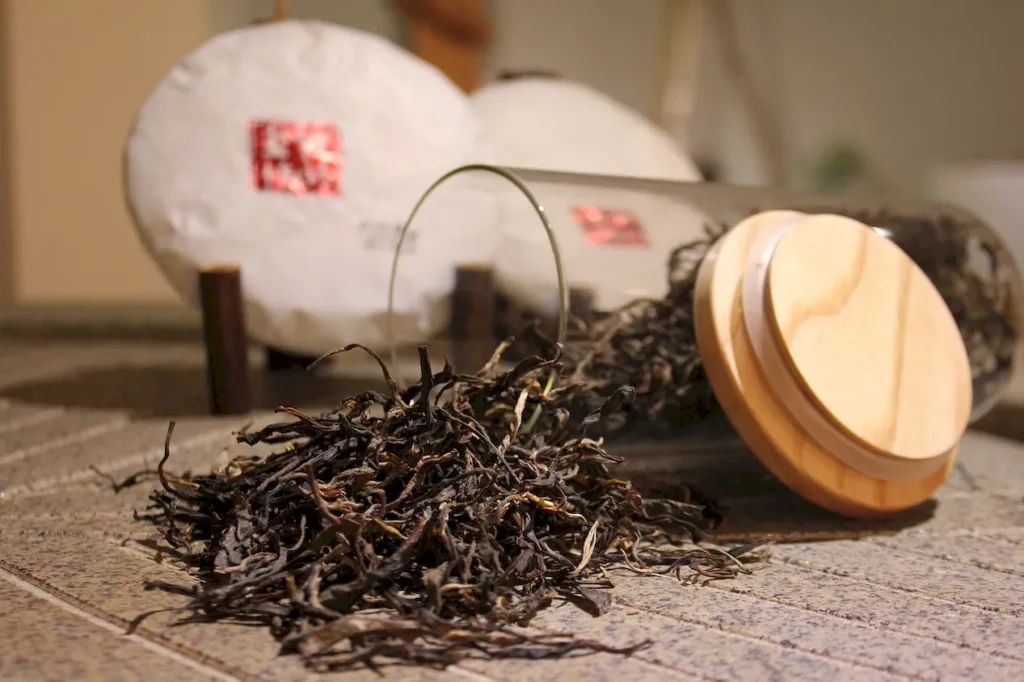
Tips for Drinking Black Tea Safely During Pregnancy
When it comes to black tea during pregnancy, many expectant mothers find themselves questioning its safety and effects. While moderate consumption might be acceptable, it’s essential to approach black tea with caution. Pregnant women are advised to limit caffeine intake, as it can impact fetal development. Therefore, knowing how to enjoy your cup of tea safely is crucial.
Safe Drinking Tips
- Limit caffeine intake to no more than 200 mg per day, which includes black tea.
- Opt for decaffeinated black tea if you’re concerned about caffeine levels.
- Watch your portion sizes; stick to 1-2 cups daily.
- Pay attention to your body; if you experience any discomfort, reduce your intake.
- Consult your healthcare provider about any specific health concerns.
- Avoid adding excessive sugar or sweeteners that may lead to unwanted weight gain.
- Incorporate herbal teas that are pregnancy-safe as an alternative, ensuring a diverse intake.
Staying informed is vital when integrating black tea into your pregnancy diet. It’s beneficial to monitor how your body reacts to caffeine and adjust your consumption accordingly. Remember that everyone’s body responds differently; what works for one individual may not work for another. Keeping a journal can be helpful in tracking any changes you notice.
As always, prioritizing the health of both you and your developing baby should guide your choices.
Ultimately, enjoying black tea during pregnancy can be a delightful ritual, provided it is approached thoughtfully. Emphasizing moderation and awareness will help ensure both your safety and the well-being of your baby. By adhering to these tips, you can savor your favorite black tea while focusing on a healthy pregnancy journey.