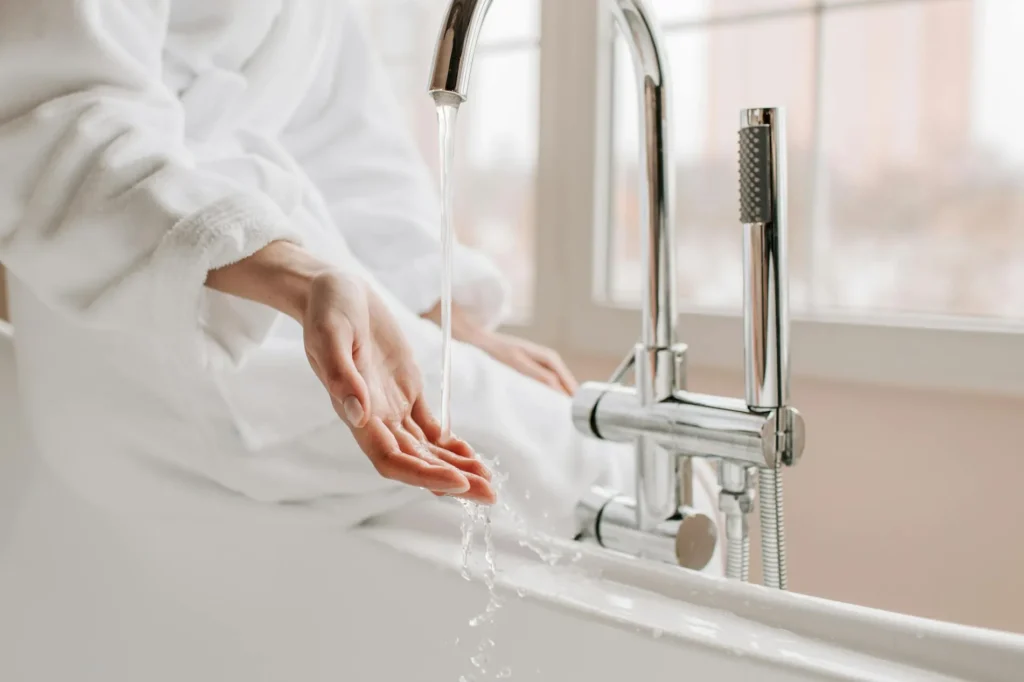
Baths during pregnancy can offer soothing benefits, but it’s essential to prioritize safety. Many expectant mothers often wonder, can you take baths during pregnancy, and the answer is generally yes, with some precautions. Hot baths should be avoided as they can raise body temperature and pose risks to the developing baby. Instead, lukewarm baths are recommended, providing relaxation and relief from pregnancy discomforts. Epsom salt baths can also be beneficial but should be used cautiously.
To enjoy baths safely during pregnancy, consider the water temperature, duration, and your health condition. It’s crucial to know when to avoid baths—such as if you experience certain medical issues or complications. This comprehensive guide outlines the safety of baths during pregnancy, their benefits, and guidelines to ensure a safe bathing experience.
Are Baths Safe During Pregnancy?
Many expectant mothers wonder, can you take baths during pregnancy? The good news is that baths can be a relaxing way to self-care during this special time. Generally, warm baths can be safe during pregnancy as long as certain precautions are taken. It’s essential to pay attention to the temperature of the water and the duration of your soak to avoid potential risks, such as overheating or dizziness.
Safety Considerations for Baths During Pregnancy
- Keep the water temperature below 100°F (37.8°C).
- Avoid prolonged soaks; limit baths to 15-20 minutes.
- Stay hydrated before and after your bath.
- Make sure the bath area is slip-resistant to prevent falls.
- Consult your healthcare provider if you have any underlying health conditions.
- Monitor how you feel during the bath and exit if you start to feel lightheaded.
- Keep bath products to a minimum to avoid skin irritation.
Understanding the potential risks associated with hot baths is crucial. Elevated body temperatures can affect your developing baby, especially during the first trimester, leading some mothers to opt for cooler baths instead. It’s also important to consider that while bath-related relaxation can improve mood, unnecessary stress or anxiety related to bathing should be avoided.
Listening to your body is key when enjoying baths during pregnancy. If at any point you feel uncomfortable or experience any warning signs, it is wise to exit the bath. Moreover, consider incorporating elements such as gentle music and a few calming essential oils to enhance your experience. With awareness and mindfulness, you can enjoy the benefits of baths while ensuring the safety of both you and your baby.
Can You Take Hot Baths During Pregnancy?
Many expectant mothers enjoy the soothing experience of a warm bath, but the question remains: are hot baths during pregnancy safe? The body goes through significant changes during pregnancy, and understanding the impact of temperature on your health and that of your baby is crucial. While baths during pregnancy can provide relaxation and comfort, extra caution should be exercised when it comes to water temperature.
If you find yourself considering hot baths during pregnancy, you should be aware that overheating can pose risks. Prolonged exposure to high temperatures may lead to complications such as dehydration, fainting, or even overheating of the fetus, which can affect development. It’s essential to listen to your body and ensure you’re taking the necessary precautions when indulging in warm or hot water. Maintaining safe practices will help you enjoy baths without concerns.
Steps to Determine the Safety of Hot Baths
- Consult your healthcare provider for personalized advice.
- Ensure the water temperature is below 100°F (37.8°C).
- Limit bath duration; aim for 10-15 minutes.
- Stay hydrated before and after your bath.
- Monitor your body’s response to heat; exit the bath if you feel lightheaded.
- Use a thermometer to check water temperature if necessary.
- Consider alternatives like a warm shower if you have concerns.
Taking these steps can significantly enhance your bathing experience while keeping your safety a priority. While baths during pregnancy can be beneficial for relaxation and relieving aches, it’s paramount to be mindful of water temperature. The combination of heat and your changing body can create conditions that might lead to discomfort or complications, so precaution is key.
Ultimately, enjoying baths during pregnancy is possible, provided you follow recommended guidelines regarding temperature and duration. Taking hot baths during pregnancy can still be a pleasurable ritual if you remain vigilant about the risks involved. Always prioritize your wellbeing and that of your baby while turning bath time into an enjoyable and safe escape from the day-to-day stresses of pregnancy.

Benefits of Baths During Pregnancy
Taking baths during pregnancy can be an extraordinary way to relax and rejuvenate. Many expectant mothers wonder, can you take baths during pregnancy? The answer is typically yes, provided that certain precautions are observed. Regular bathing can offer numerous benefits that contribute positively to the overall pregnancy experience. However, it is crucial to be mindful of water temperature and duration to ensure safety for both mother and baby.
Key Benefits
- Promotes relaxation and reduces stress.
- Provides relief from aches and pains in muscles and joints.
- Improves blood circulation.
- Enhances sleep quality.
- Can alleviate swelling and discomfort, including pregnancy bloating.
- Encourages better mood and emotional well-being.
- Offers a soothing environment for mindfulness and meditation.
Baths can also enhance your physical well-being during pregnancy. Warm water can help to alleviate some common physical discomforts experienced by pregnant women. This includes soothing sore muscles and reducing the pressure on joints, allowing for a sense of weightlessness. However, it is essential to avoid hot baths during pregnancy, as overheating could be harmful to both the mother and fetus. Therefore, aim for a comfortable water temperature that calms but does not overheat, helping to ease issues like pregnancy bloating.
Physical Benefits
The physical advantages of baths during pregnancy are manifold. By soaking in warm water, pregnant women can experience enhanced blood flow, which can help reduce swelling in the feet and ankles. Aside from this, the heat from the water can stimulate the body’s natural pain relief responses, making it an effective remedy for various aches and discomforts. It’s an excellent ritual that can contribute significantly to a healthier pregnancy.
Emotional Benefits
In addition to the physical benefits, baths also contribute positively to emotional health. Pregnancy can often come with stress and anxiety, and soaking in a warm bath can provide a moment of peace and tranquility. Taking time out for oneself can help clear the mind, making it easier to handle the emotional ups and downs that can occur during this transformative time. This overall relaxation can also subtly help in managing other common discomforts, such as heartburn during pregnancy. Thus, regular bath time becomes not just a physical necessity, but a crucial emotional escape as well, offering a holistic approach to well-being, even when dealing with issues like heartburn during pregnancy.
Risks of Hot Baths During Pregnancy
While baths during pregnancy can offer relaxation and stress relief, it is essential to consider the risks associated with hot baths during pregnancy. Elevated body temperature can pose several risks not just for the expectant mother but also for the developing fetus. Therefore, understanding these risks can help pregnant women make informed decisions about their bath practices.
| Risk | Description | Implications |
|---|---|---|
| Hyperthermia | Increased body temperature may lead to overheating. | Could cause neural tube defects in the fetus. |
| Dehydration | Soaking in hot water for extended periods can dehydrate the body. | May result in dizziness, fatigue, or contractions. |
| Blood Pressure Changes | Hot baths can lead to fluctuations in blood pressure. | May result in fainting or feelings of light-headedness. |
| Reduced Blood Flow | Hot temperatures may cause blood vessels to dilate. | Could reduce blood flow to vital organs. |
Among the various baths during pregnancy, hot baths are often seen as particularly risky. For instance, studies have indicated that prolonged exposure to high temperatures may lead to complications during the early stages of pregnancy. This is especially concerning for women who may not realize they are pregnant, as they could inadvertently expose their developing baby to harmful conditions.
Common Risks Associated with Hot Baths
- Increased body temperature leading to hyperthermia
- Dehydration due to prolonged soaking
- Fluctuations in blood pressure
- Risks of fainting or light-headedness
- Reduced blood flow to vital organs
- Increased risk of infections
- Potential for contractions
In conclusion, while baths can be a soothing escape during pregnancy, hot baths come with significant risks. Pregnant women should aim for lukewarm water instead, as it’s safer and will allow them to enjoy the calming effects of baths without compromising their well-being or that of their baby. Always consult with a healthcare provider for personalized advice regarding baths during pregnancy to ensure safety throughout this important time.

How to Take Safe Baths During Pregnancy
Taking baths during pregnancy can be a relaxing and soothing experience, but it’s essential to prioritize safety. Many expectant mothers wonder, can you take baths during pregnancy? The answer is generally yes, but there are specific precautions to be aware of. Understanding how to create a safe bathing environment is crucial for both your comfort and your baby’s well-being.
When preparing for a bath, temperature control is one of the most critical factors. The water should be warm, not hot, to avoid raising your body temperature excessively. High-temperature baths can lead to overheating, which may pose risks for your developing baby. Additionally, make sure the bathing area is safe to prevent any slips or falls, as balancing can become challenging during pregnancy.
Steps for a Safe Bathing Experience
- Ensure water temperature is lukewarm, ideally below 100°F (37.8°C).
- Limit your time in the bath to 10-15 minutes.
- Use non-slip mats to prevent slipping.
- Have someone nearby or let them know you’re bathing, just in case of emergencies.
- Avoid using scented oils or bath products that may irritate your skin.
- Stay hydrated by drinking water before and after your bath.
- If you experience any discomfort, dizzy spells, or unusual symptoms, immediately exit the bath.
Following these steps can help ensure a relaxing experience while minimizing risks. Beyond the physical aspects, creating a peaceful atmosphere in the bathroom can enhance your overall bathing experience. Soft lighting, calming music, and gentle scents can contribute to a tranquil environment, making your baths something to look forward to amid the changes of pregnancy.
Essential Safety Tips
In addition to the steps listed, it’s important to listen to your body. Pay attention to any signals indicating that you should cut your bath short. If you ever feel unwell during your bath or if you have any questions about taking baths during pregnancy, consult your healthcare provider for personalized advice. They can offer guidance tailored to your unique situation, ensuring that you can enjoy your baths safely and comfortably.
Epsom Salt Baths During Pregnancy: Are They Safe?
Many expectant mothers wonder, can you take baths during pregnancy? One popular option that has gained attention is the use of Epsom salt in baths. Epsom salt, composed of magnesium sulfate, is believed to offer various benefits ranging from muscle relaxation to reducing swelling. However, as with any treatment during pregnancy, it’s essential to evaluate both the advantages and potential risks associated with Epsom salt baths.
| Benefit | Potential Concern | Recommendations |
|---|---|---|
| Relieves muscle tension | Skin sensitivity may increase | Use in moderation |
| Reduces swelling | Overheating risks | Keep water warm, not hot |
| Promotes relaxation | Potential for dehydration | Stay hydrated |
| Improves sleep quality | Allergic reactions | Test for skin sensitivity |
Alongside potential benefits, it’s crucial to acknowledge that not all baths are recommended during pregnancy. Women experiencing specific conditions such as high blood pressure, preterm labor, or any signs of complications should consult their healthcare provider before deciding on the use of Epsom salt baths. Always listen to your body; if something doesn’t feel right, it’s best to refrain from any bath solutions.
Pros and Cons of Epsom Salt Baths
- Reduces muscle aches and pains
- Helps alleviate swelling in feet and hands
- Can improve mood and alleviate stress
- May enhance sleep quality
- Potential skin irritation if allergic
- Not suitable for everyone, especially high-risk pregnancies
It is essential to exercise caution and consult your medical professional about the safety of Epsom salt baths in your specific case. They can provide personalized recommendations based on your health profile. Ultimately, understanding baths during pregnancy—including the role of Epsom salt—will empower expecting mothers to make informed choices that ensure both their safety and that of their baby.

Tips for Enjoying Baths Safely During Pregnancy
Enjoying baths during pregnancy can provide a wonderful way to relax and alleviate discomfort. However, safety is paramount when it comes to the well-being of both mother and baby. It’s essential to be mindful of your body’s reactions and adjust your bathing habits accordingly. Always listen to your body, and consult your healthcare provider if you have any concerns regarding your bath routine.
Important Tips for a Safe Bath
- Ensure the water temperature is warm, not hot—aim for around 98-100°F (37-38°C).
- Limit bath time to 10-15 minutes to avoid overheating.
- Stay hydrated by drinking plenty of water before and after your bath.
- Avoid highly fragrant products that can irritate your skin or cause nausea.
- Use non-slip mats in your tub to prevent falls.
- Consider having someone nearby in case you need assistance.
- Monitor how your body feels during the bath; exit immediately if you feel dizzy or overheated.
Taking hot baths during pregnancy can elevate your body temperature, which may pose risks to your developing baby. Therefore, it is crucial to be cautious and prioritize comfort over indulging in excessively warm baths. Instead, opt for tepid water that soothes without causing overheating. A mindful approach to bathing will not only enhance your relaxation but also contribute to maintaining a healthy pregnancy.
Creating a peaceful environment can also amplify the benefits of baths during pregnancy. Try adding calming elements such as soft music, scented candles, or essential oils that are safe for use during pregnancy. Establishing a calming bathing ritual can significantly enhance your overall experience and help you unwind. Remember, every pregnancy is unique, so tailor your routine to best suit your needs and preferences while staying safe.
When to Avoid Baths During Pregnancy
While many women enjoy the soothing experience of baths during pregnancy, there are certain circumstances when it’s best to steer clear of them. Understanding these situations can help expectant mothers maintain their health and safety. One vital consideration is the water temperature; hot baths can pose risks, especially in the first trimester when the baby is most vulnerable. Additionally, if you have specific health conditions or complications during your pregnancy, it’s crucial to consult your healthcare provider to assess the risks associated with bathing.
Situations to Avoid Bathing
- When experiencing vaginal bleeding or any other signs of complications.
- If you have a history of preterm labor or signs of preterm labor.
- When suffering from infections, such as a urinary tract infection.
- If you have high blood pressure or are at risk for gestational hypertension.
- When feeling excessively fatigued or lightheaded, which can increase the risk of falls.
- If you have any open wounds or stitches that could be exposed to water.
- When the water temperature exceeds the recommended limits, generally above 100°F (38°C).
Strong awareness of these potential risks will guide you in making informed decisions about your bathing practices during pregnancy. Furthermore, remember that while baths can be a delightful form of relaxation, prioritizing your health and that of your baby must always come first. Therefore, always consult with your healthcare provider if you are uncertain about your bathing habits during this critical time.