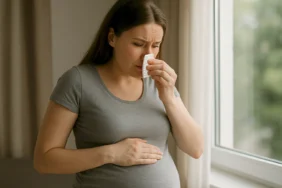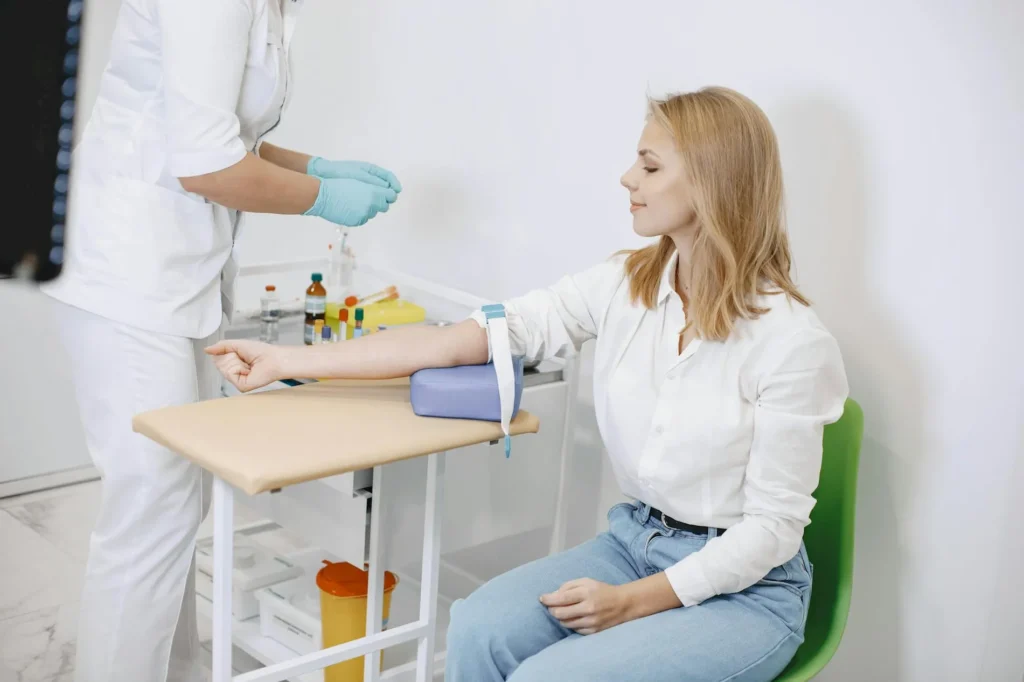
Anemia in pregnancy is a common condition that can occur due to increased blood volume and nutritional needs during this critical period. Understanding the causes, symptoms, and types of anemia affecting pregnant women is essential for proper care. Common symptoms include fatigue, weakness, and pale skin, which can significantly affect both the mother and baby’s health. Risk factors such as poor diet, multiple pregnancies, and pre-existing conditions can elevate the chances of developing anemia. Diagnosis typically involves blood tests, while treatment options include iron supplements and dietary changes. It’s crucial for pregnant women to monitor their health and consult a doctor if they experience symptoms of anemia in pregnancy, ensuring both their well-being and that of their child.
What Is Anemia and Why Does It Occur During Pregnancy?
Anemia in pregnancy is a condition where the blood lacks enough healthy red blood cells, which are crucial for transporting oxygen to both the mother and the developing fetus. During pregnancy, a woman’s body undergoes significant changes, including an increase in blood volume. This can dilute the concentration of red blood cells, leading to a condition known as dilutional anemia. Additionally, the growing fetus requires iron and nutrients for its development, which can deplete the mother’s reserves if they are not adequately replenished through diet and supplementation.
Several factors contribute to the onset of anemia in pregnancy. Iron deficiency is the most common cause, primarily due to increased iron demands during this critical period. Other nutritional deficiencies, such as folic acid and vitamin B12 deficiency, can also lead to anemia. In certain cases, pre-existing medical conditions and genetic disorders, such as thalassemia, may exacerbate the risk of developing anemia while pregnant. Recognizing the symptoms and understanding the underlying causes is essential for timely intervention to safeguard the health of both the mother and the baby.
- Increased blood volume during pregnancy
- Higher iron demands due to fetal development
- Inadequate dietary intake of iron-rich foods
- Frequency of morning sickness leading to nutrient loss
- Pre-existing health conditions affecting blood production
- Genetic factors contributing to an increased risk
- Lack of prenatal care and monitoring
It’s important for pregnant women to be proactive in managing their health. Regular check-ups and blood tests can help in early detection of anemia in pregnancy, allowing for timely treatments that may include iron supplements and dietary adjustments. Awareness of the symptoms and risks associated with anemia can play a crucial role in ensuring a healthy pregnancy and a safe delivery.
Common Symptoms of Anemia in Pregnancy
Recognizing the symptoms of anemia in pregnancy is vital for the health of both the mother and the developing baby. Many women may experience fatigue and weakness during pregnancy, which can often be mistaken for normal pregnancy-related changes. However, when these symptoms are exaggerated, it could indicate a deficiency in essential nutrients such as iron or folic acid. It is crucial for expectant mothers to be vigilant and consult healthcare providers if they experience any severe or persistent symptoms.
Here are common symptoms that pregnant women may experience:
- Extreme fatigue or weakness
- Pale skin or complexion
- Shortness of breath, particularly during physical activity
- Dizziness or lightheadedness
- Cold hands and feet
- Rapid or irregular heartbeat
- Brittle nails or hair loss
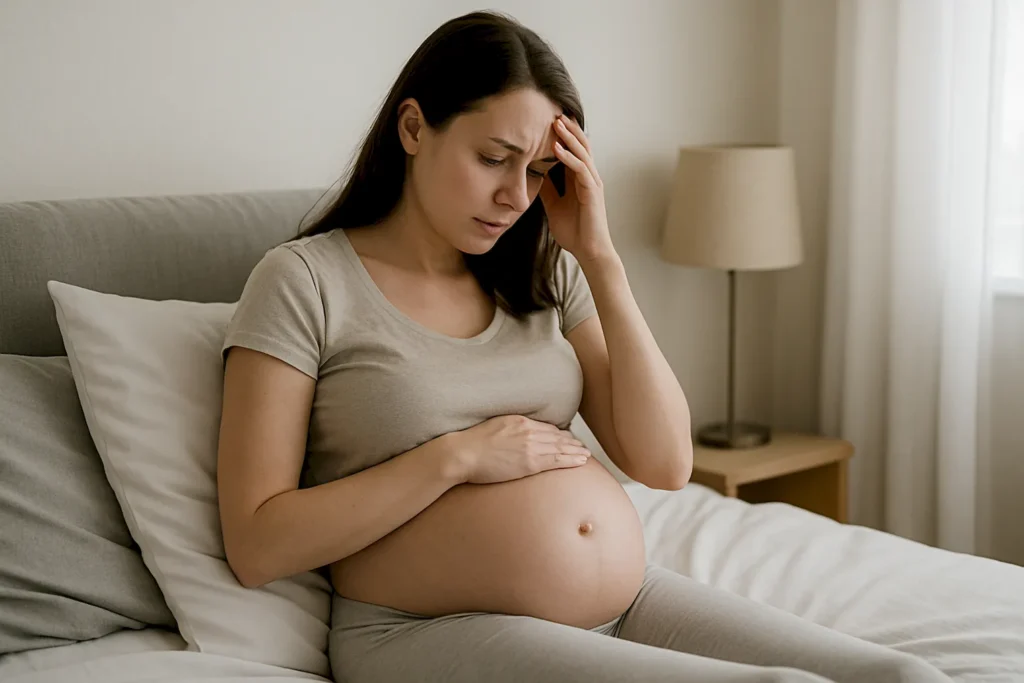
Understanding and recognizing these symptoms is essential for early detection and treatment of anemia in pregnancy. If left untreated, anemia may lead to further complications for both the mother and the fetus. Therefore, staying informed and seeking timely medical advice is critical to ensure a healthy pregnancy journey. Additionally, headaches are another symptom that may be experienced by some women, making it important to explore potential causes and management strategies for Headaches during pregnancy.
Types of Anemia Affecting Pregnant Women
Understanding the types of anemia in pregnancy is crucial for expectant mothers to manage their health effectively. Each type presents its own challenges and requires specific treatment approaches. Being aware of these variations allows for better prevention and management, ultimately leading to healthier pregnancies. Below, we will explore the three most common types of anemia that affect pregnant women and their implications.
| Type of Anemia | Causes | Symptoms |
|---|---|---|
| Iron-Deficiency Anemia | Inadequate iron intake or absorption | Fatigue, weakness, pale skin |
| Folate-Deficiency Anemia | Insufficient folate in diet | Fatigue, irritability, shortness of breath |
| Vitamin B12 Deficiency Anemia | Lack of vitamin B12 absorption | Fatigue, weakness, numbness |
Among the types of anemia in pregnancy, Iron-Deficiency Anemia is the most prevalent. It occurs when there is not enough iron in the body to produce adequate hemoglobin, the protein responsible for transporting oxygen in red blood cells. Pregnant women are at higher risk as their iron requirements double, necessitating increased dietary intake of iron-rich foods or supplements. Symptoms often include fatigue, weakness, and pale skin, which can significantly affect daily activities.
Iron-Deficiency Anemia
To help combat iron-deficiency anemia, it is important for pregnant women to include a variety of iron-rich foods in their diet. Some excellent sources of iron include:
- Red meat
- Poultry
- Fish
- Legumes
- Leafy green vegetables
- Nuts and seeds
Secondly, Folate-Deficiency Anemia arises due to an insufficient intake of folic acid, an essential vitamin that helps produce and maintain new cells. Adequate folate is particularly vital during pregnancy for fetal development. Pregnant women should aim to consume foods rich in this vitamin, such as dark leafy greens, citrus fruits, and fortified cereals. Symptoms may encompass fatigue, irritability, and shortness of breath, which can also mislead women into thinking they are experiencing general pregnancy fatigue.
Folate-Deficiency Anemia
Ensuring a balanced diet is crucial in preventing folate-deficiency anemia. Prenatal vitamins often include folate to help meet the increased demands during pregnancy.
Finally, Vitamin B12 Deficiency Anemia can occur if the body lacks sufficient vitamin B12, which plays a significant role in red blood cell production and neurological function. Pregnant women may experience symptoms similar to iron deficiency, including fatigue and weakness, along with potential numbness or tingling in extremities. A diet incorporating animal products or specific fortified foods can be essential in preventing this type of anemia.
Vitamin B12 Deficiency Anemia
It is advisable for pregnant women to consult their healthcare providers about the necessity of vitamin B12 supplements, particularly if they follow a vegetarian or vegan diet.
Risk Factors That Increase the Chance of Anemia in Pregnancy
Pregnancy is a critical time for a woman’s health, and understanding the factors that can lead to anemia is essential for maintaining both maternal and fetal health. Anemia in pregnancy occurs when there are not enough red blood cells or hemoglobin to meet the increased demands of the body. Certain risk factors significantly increase the likelihood of developing this condition, making it crucial for expectant mothers to be aware of these elements to proactively address any potential threats.
Consider these risk factors:
- Iron Deficiency: Insufficient iron levels are the primary cause of anemia in pregnancy.
- Multiple Pregnancies: Carrying twins or more can strain a woman’s nutritional resources.
- Poor Nutrition: A diet lacking in essential vitamins and minerals can contribute to anemia.
- Prenatal Care Deficiencies: Inadequate prenatal care may lead to undetected anemia.
- History of Anemia: Women with a prior diagnosis of anemia are at higher risk.
- Heavy Menstrual Periods: Prior to pregnancy, heavy menstrual bleeding can deplete iron stores.
- Chronic Conditions: Conditions such as diabetes or hypertension may complicate anemia risk.
Recognizing these risk factors allows pregnant women to take proactive measures to enhance their iron levels and overall nutrition. It’s important to consult with healthcare providers to devise a personalized plan that addresses these risks. Regular blood tests during pregnancy will also help monitor hemoglobin levels and ensure early intervention where necessary.
Being informed about the risk factors associated with anemia in pregnancy is a vital step in safeguarding the health of both mother and child.
Early identification and management of anemia can significantly reduce complications, ensuring a healthier pregnancy experience. Pregnant women should prioritize their wellbeing by maintaining a balanced diet rich in iron, attending regular check-ups, and following their healthcare provider’s advice to minimize risks associated with anemia.

How Anemia Can Affect You and Your Baby
Anemia in pregnancy is a condition that can lead to various complications for both the mother and the developing fetus. It’s crucial to recognize how this condition can impact overall health and pregnancy outcomes. Understanding these potential effects can help women take proactive steps to manage their health during this critical time.
Firstly, the impact of anemia on the mother is significant. Pregnant women require more iron to support both their own health and the health of their growing baby. When anemia occurs, it can lead to symptoms such as fatigue, weakness, and increased risk of infections. Additionally, it may cause complications during delivery and can prolong recovery times postpartum. It is important for mothers to recognize the signs and seek medical advice early on.
Impact on the Mother
Severe anemia can also lead to serious health issues, including:
Potential risks include:
- Increased likelihood of preterm delivery
- Higher risk of postpartum hemorrhage
- Potential heart problems due to increased strain
- Higher chances of blood transfusion during or after labor
- Increased fatigue and reduced ability to care for the newborn
Next, we must consider the impact of anemia on the baby. Insufficient iron can impair the baby’s development and growth, as iron is essential for producing hemoglobin, which carries oxygen to tissues. Anemic mothers may give birth to infants with low birth weight, and their babies might also be at risk for anemia later in life. Proper nutrition and prenatal care can help mitigate these risks, which makes awareness and prevention crucial.
Impact on the Baby
The consequences for the baby are concerning, as iron deficiency can lead to developmental delays and long-term health issues. Ensuring adequate iron intake through supplements and a nutritious diet is vital. Pregnant women should also consider regular blood tests to monitor their hemoglobin levels, as early detection can lead to better outcomes for both the mother and baby.
Diagnosis: How Is Anemia in Pregnancy Detected?
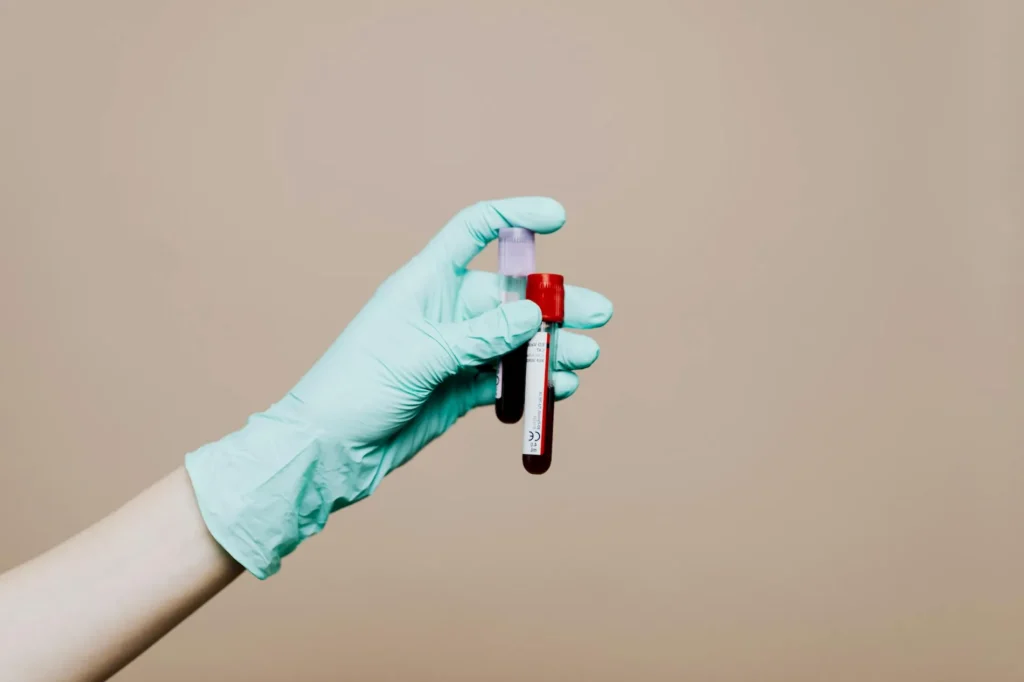
Detecting anemia in pregnancy is crucial for the health of both the mother and the developing fetus. The identification process typically involves a series of tests and assessments aimed at evaluating the mother’s iron levels and overall blood condition. Early diagnosis can lead to effective management, thereby reducing potential complications during pregnancy and delivery.
| Test | Description | Purpose |
|---|---|---|
| Complete Blood Count (CBC) | This test measures the levels of red blood cells, hemoglobin, and hematocrit. | To determine if anemia is present and its severity. |
| Serum Ferritin Test | Measures the amount of stored iron in the body. | To evaluate iron deficiency anemia. |
| Iron Studies | Includes tests for serum iron, total iron-binding capacity, and transferrin saturation. | To assess iron availability and absorption. |
| Reticulocyte Count | Measures young red blood cells in the blood. | To check if the body is producing new red blood cells adequately. |
Diagnosis involves these steps:
- Initial Assessment: Evaluate symptoms and medical history.
- Physical Examination: Check for signs like pallor or fatigue.
- Blood Tests: Conduct a CBC to assess anemia severity.
- Evaluate Iron Levels: Perform a serum ferritin test for iron deficiency.
- Analyze Reticulocyte Count: Determine if the bone marrow is responding appropriately.
As pregnancy progresses, routine screenings for anemia become a vital part of prenatal care. Healthcare providers often recommend regular blood tests to monitor hemoglobin levels, helping to identify anemia early. Timely detection is essential to ensure that appropriate treatments can be initiated, minimizing risks to both the mother and the baby.
Treatment Options: Iron Supplements, Diet, and More
Effective management of anemia in pregnancy is crucial to ensure the health of both the mother and the developing baby. Understanding the treatment options available can empower expectant mothers to take proactive steps to combat this condition. Generally, treatments may include dietary changes, supplementation, and, in some cases, medical interventions. Tailoring these options to a woman’s specific needs is essential, especially considering the nuances of pregnancy-related anemia.
Here are effective treatment options:
- Incorporate iron-rich foods into your diet, such as lean meats, beans, and leafy greens.
- Consume vitamin C-rich foods to enhance iron absorption from plant-based sources.
- Consider iron supplements as recommended by your healthcare provider.
- Stay hydrated and maintain a balanced diet for overall health.
- Avoid excessive consumption of caffeine, as it can inhibit iron absorption.
- Monitor your hemoglobin levels regularly with your doctor to assess treatment effectiveness.
- Consult a nutritionist to create a personalized dietary plan if necessary.
Dietary modifications play a vital role in addressing anemia in pregnancy. A well-balanced diet rich in iron, folate, and other essential nutrients is necessary for preventing and treating anemia. Pregnant women should aim to include foods like spinach, lentils, fortified cereals, and lean proteins in their diets. Additionally, combining these iron sources with vitamin C-rich foods like oranges or strawberries can significantly enhance iron absorption, making dietary changes an effective aspect of anemia management.
Supplementation
When dietary changes are insufficient, iron supplementation may be necessary to effectively treat anemia in pregnancy. Healthcare providers often recommend specific iron supplements tailored to the individual’s needs. It is crucial to follow your doctor’s advice regarding the dosage and duration of supplements, as excessive iron can lead to adverse effects. Regular monitoring of hemoglobin and ferritin levels will help to ensure that supplementation is effective and safe throughout the pregnancy.
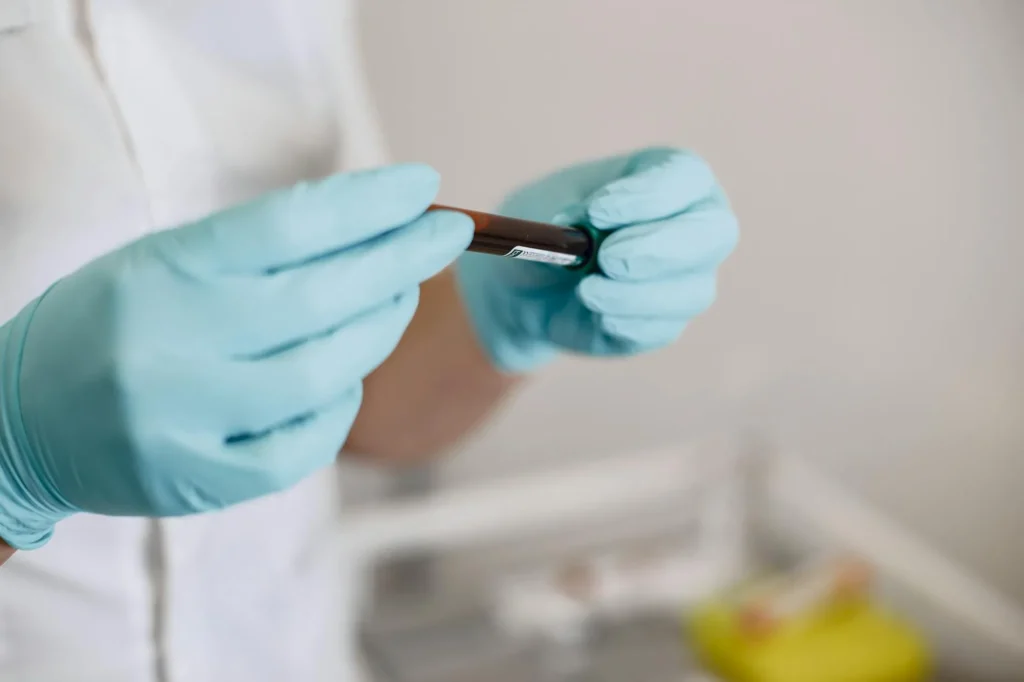
When to See a Doctor for Anemia in Pregnancy
Recognizing the signs and symptoms of anemia in pregnancy is crucial for the health of both the mother and the baby. While experiencing mild fatigue or slight weakness can be normal during pregnancy, persistent or severe symptoms may indicate a more serious issue. It’s essential to stay vigilant and aware of your body’s changes, as anemia can lead to increased complications if left untreated.
Seek medical advice if you notice:
- Unusual fatigue that doesn’t improve with rest
- Shortness of breath during routine activities
- Heart palpitations or increased heart rate
- Severe dizziness or lightheadedness
- Cold hands and feet or pale skin
- Persistent headaches
- Restless legs syndrome during the night
If you are experiencing any of these symptoms, it’s vital to consult a healthcare professional. They can perform the necessary tests to diagnose anemia and recommend appropriate treatment. Early intervention is key to managing anemia in pregnancy, ensuring both maternal and fetal health remain a priority throughout the pregnancy journey.